
Top 10 Fastest Bowlers in Test Cricket History
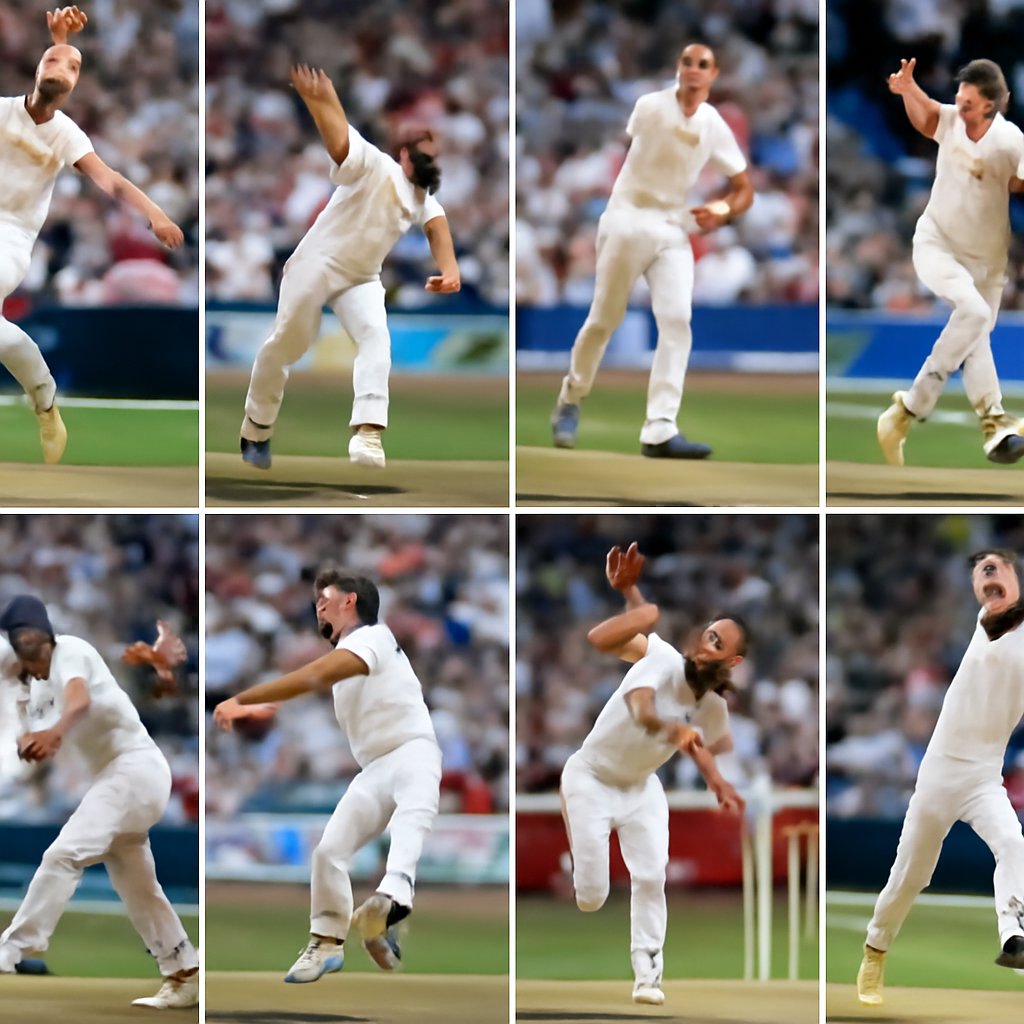
Growing up in Kerala, cricket was everything—from the coconut groves where kids bowled with makeshift tennis balls to the packed grounds where we cheered every delivery. Exploring the top 10 fastest bowlers in Test cricket history reveals the thrilling evolution of pace bowling that has defined the longest format of the game. From blistering deliveries clocked over 160 km/h to the tactical brilliance that combines raw speed with swing and seam movement, these legends have left an indelible mark on Test cricket. Their exploits not only dominated opposing line-ups but also influenced modern T20 leagues like the IPL and high-octane ODI contests where similar skills translate into match-winning performances. The women’s game deserves as much scrutiny as the men’s, especially as ICC initiatives continue to elevate pace bowling standards across both genders in South Asian circuits.
Fast bowling in Test cricket has always been about more than just raw speed; it combines endurance, accuracy and the ability to extract bounce from the surface across five days. Legends like Shoaib Akhtar and Brett Lee pushed the boundaries of human capability, regularly exceeding 150 km/h in Test matches. Their careers spanned multiple formats, with Akhtar’s 161.3 km/h delivery in international cricket setting benchmarks that still inspire young pacers in IPL auctions and ODI squads today. The physical toll of such speeds often led to shortened careers, yet these bowlers adapted their techniques to remain effective on varied pitches worldwide. In Kerala, where monsoon-swept pitches teach patience as much as pace, we see echoes of that same adaptability in local talents eyeing ICC pathways.
Early pioneers such as Jeff Thomson and Dennis Lillee brought an aggressive Australian approach that intimidated batsmen during the 1970s. Thomson’s slinging action generated extreme pace on bouncy tracks, while Lillee combined speed with devastating outswing. These players laid the foundation for subsequent generations who balanced Test cricket demands with lucrative franchise opportunities in the IPL. Modern data analytics now track every delivery, helping bowlers like Jasprit Bumrah refine their action for both red-ball longevity and white-ball explosiveness. The ICC’s global oversight ensures such innovations benefit emerging women’s sides from the region too.
Accurate measurement of bowling speeds in Test cricket evolved significantly from manual stopwatches to sophisticated radar guns introduced in the late 1990s. The ICC’s adoption of Hawk-Eye and speed guns during the 2000s provided reliable data across venues, confirming deliveries from Shoaib Akhtar and Shaun Tait as the quickest ever recorded in international cricket. These tools also highlighted how conditions like altitude in South Africa or the seaming surfaces in England amplified natural pace, affecting player stats in both Test matches and touring ODI series. Back home in South India, similar tracking now supports women’s domestic tournaments, bridging the gap to international recognition.
Contemporary analysis incorporates release speed, bounce height and swing metrics, allowing comparisons between eras. Brett Lee’s consistent 150+ km/h spells in Test cricket demonstrated remarkable consistency, while players like Mitchell Johnson used variations to devastating effect. Such statistics influence IPL team strategies where franchises seek similar express pace for death overs and powerplay phases, bridging the gap between Test cricket fundamentals and limited-overs entertainment.
Compiling the top 10 fastest bowlers in Test cricket history requires careful consideration of peak speeds, match impact and longevity. Shoaib Akhtar tops most lists with his 161.3 km/h thunderbolt, supported by 178 Test wickets. Brett Lee follows closely with 310 wickets at express pace, his IPL stints further showcasing adaptability. Jeff Thomson’s 1970s terror remains legendary, while Malcolm Marshall combined 376 wickets with Caribbean fire. Courtney Walsh, Glenn McGrath, Wasim Akram, Allan Donald, Dale Steyn and Shaun Tait complete a formidable roster whose combined Test hauls exceed 2500 wickets. Each bowler brought unique attributes: Akram’s left-arm swing troubled right-handers for over a decade, and Steyn’s reverse swing in helpful conditions produced match-turning spells. Their influence extends beyond Tests into ODI record books and IPL scouting reports, where speed remains a prized commodity. Training regimens now incorporate biomechanics to prevent injuries while maintaining high velocities, ensuring the next generation can challenge these historic benchmarks.
Shoaib Akhtar holds the record for the fastest delivery in Test cricket history at 161.3 km/h. Brett Lee captured 310 Test wickets while regularly exceeding 150 km/h throughout his career. Jeff Thomson’s peak speeds in the 1970s were estimated above 160 km/h using early measurement techniques. Dale Steyn’s 439 Test wickets came at an average speed often above 145 km/h with exceptional accuracy. Multiple bowlers from this list transitioned successfully to IPL and ODI formats, boosting their overall career earnings and visibility. Radar gun data since 2000 confirms at least five of the top 10 achieved deliveries over 155 km/h in Test matches. As ICC standards evolve, these benchmarks continue to shape how we celebrate pace across the women’s game in places like Kerala, where the love for cricket runs as deep as the backwaters.


