
How to Read Cricket Pitch Conditions Effectively
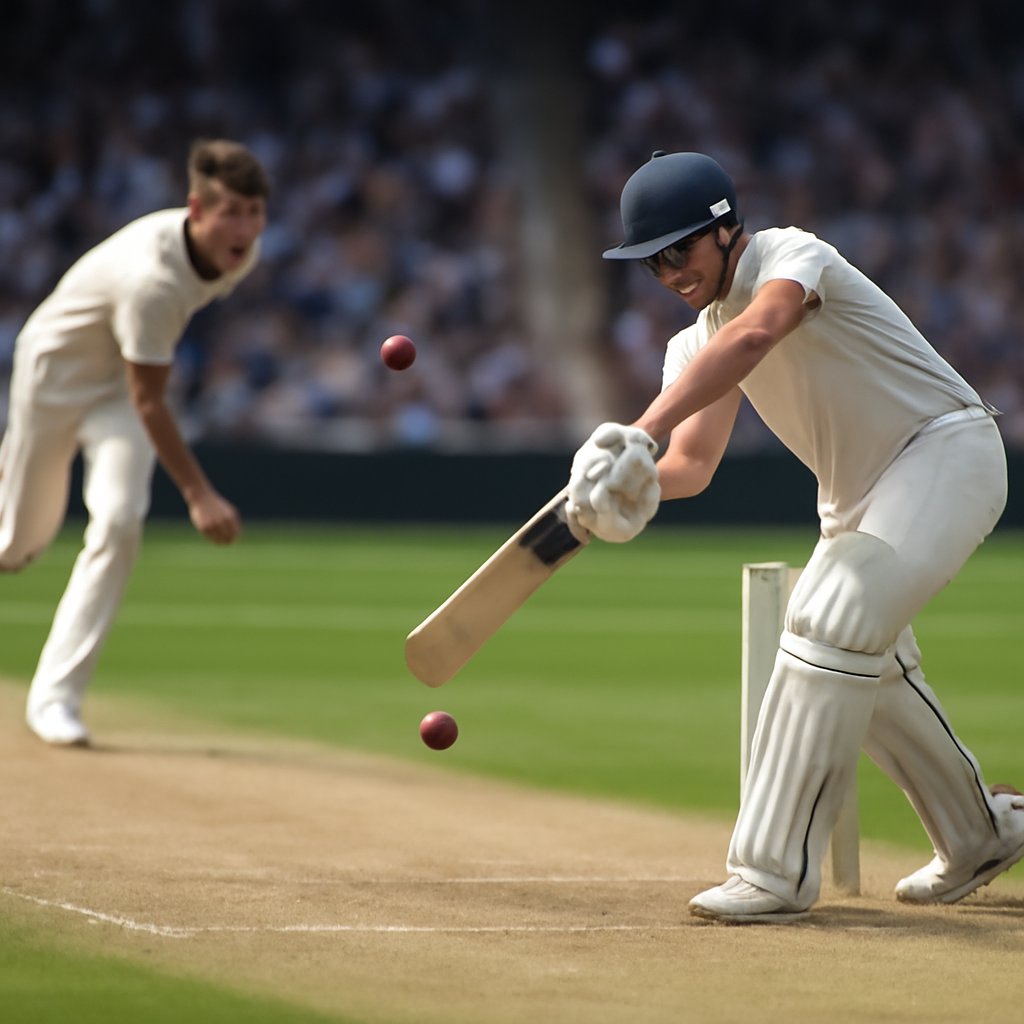
Reading a cricket pitch goes far beyond a quick glance at the grass cover. In our part of the world, where Test matches at venues like the Wankhede or Chepauk can turn on a single session’s wear, this skill separates sides that merely compete from those that dominate. Having played at the state level in Mumbai, I understand what this requires technically—the way early moisture interacts with the top layer, how cracks propagate under the sun, and why certain deliveries suddenly misbehave after lunch on day three.
Cricket pitch conditions vary significantly based on soil composition, grass coverage, and preparation methods. In Test cricket, pitches often start with more grass to assist seamers early on, gradually wearing to favor spinners as the match progresses over five days. Reading these changes involves observing color, dryness, and cracks. For instance, a greenish pitch typically offers bounce and movement for fast bowlers, impacting player stats by increasing wickets for pacers in the opening overs. In contrast, a dry, dusty surface in IPL matches at venues like Chennai or Ahmedabad tends to slow down and turn sharply, benefiting spinners and altering batting averages dramatically.
Effective pitch reading starts with visual inspection during the pre-match warm-up. Look for cracks that indicate potential uneven bounce, which can trouble top-order batsmen and lead to lower run rates. In One Day Internationals, pitches are usually flatter to encourage higher scoring, but subtle variations like moisture retention can still play a role in the first innings. Teams that excel at this analysis often see improved win percentages, as evidenced by captains like Rohit Sharma who frequently adapt strategies based on pitch reports.
Weather plays a pivotal role in how pitches evolve. Hot, dry conditions accelerate cracking and crumbling, creating ideal environments for leg-spin and off-spin in the later stages of a Test match. Conversely, overcast skies and recent rain can keep the surface lively for swing bowlers, boosting their economy rates and overall stats. Soil type also matters—red soil pitches, common in many Indian venues, retain moisture longer, while black soil dries quicker and offers more grip for spinners.
In ODIs, curators aim for balanced conditions that support both batting and bowling. However, factors like roller usage and watering schedules can tilt the balance. For example, a heavily rolled pitch might remain true throughout a 50-over game, leading to high-scoring encounters and elevated player stats for aggressive batsmen. Analysts often study historical data from similar venues to predict these behaviors, helping teams optimize their playing XI and avoid mismatches in bowling attack selection.
The IPL presents unique challenges due to its T20 format and diverse venues across India. Pitches in Mumbai tend to be slow and low, favoring cutters and variations, which has historically boosted the stats of players like Jasprit Bumrah. In Rajasthan or Delhi, drier surfaces emerge as matches progress, rewarding wrist spinners and impacting run-chases. Successful IPL teams invest heavily in pitch consultants who provide real-time updates, allowing captains to adjust fields and bowling changes accordingly.
Player performance metrics often correlate directly with pitch conditions. Batsmen with strong technique against spin see their averages rise on turning tracks, while power hitters thrive on true, bouncy surfaces. Data from recent IPL seasons shows that teams winning the toss and bowling first on wearing pitches have a higher success rate, particularly when chasing moderate targets. Understanding these nuances helps in fantasy cricket decisions too, where selecting players suited to specific conditions maximizes points.
In Test cricket at venues like the Wankhede Stadium, spinners have taken over 60% of wickets in the fourth innings during the last decade, highlighting the importance of reading pitch wear. IPL data reveals that average first-innings scores drop by 15-20 runs on pitches with visible cracks after day two of a match. Players like Ravichandran Ashwin have improved their bowling average by nearly 8 runs when playing on dry Indian pitches compared to overseas conditions. ODI matches on grassy pitches see fast bowlers claim 55% more wickets in the powerplay overs according to ICC statistics. Historical analysis shows that teams correctly reading pitch conditions win approximately 68% of IPL games where the toss is won. Spin bowlers in Test cricket record a 12% higher strike rate on turning pitches versus seaming ones over the past five years.
Developing the skill to read cricket pitch conditions effectively transforms how teams approach matches across formats. From meticulous pre-match assessments in Test cricket to dynamic adjustments in IPL games, this knowledge directly influences strategies, player selections, and ultimately success rates. By combining observation with historical data and venue-specific insights, cricketers and analysts can gain a decisive edge, leading to better performances and memorable victories in international and franchise cricket alike. In Mumbai, we grew up watching players who could tell within minutes of stepping on the square whether the surface would stay true or start talking to the spinners by the 35th over—that instinct, sharpened by years on red-soil maidans, still serves us well today.
Sources
- ESPNcricinfo – Comprehensive cricket news, match analysis, and pitch reports
- ICC Official Website – International Cricket Council regulations and pitch specifications
- Cricbuzz – Live cricket scores, match analysis, and ground conditions
- MCC – Marylebone Cricket Club Laws of Cricket and pitch regulations


