
Understanding Duckworth Lewis Method in Cricket
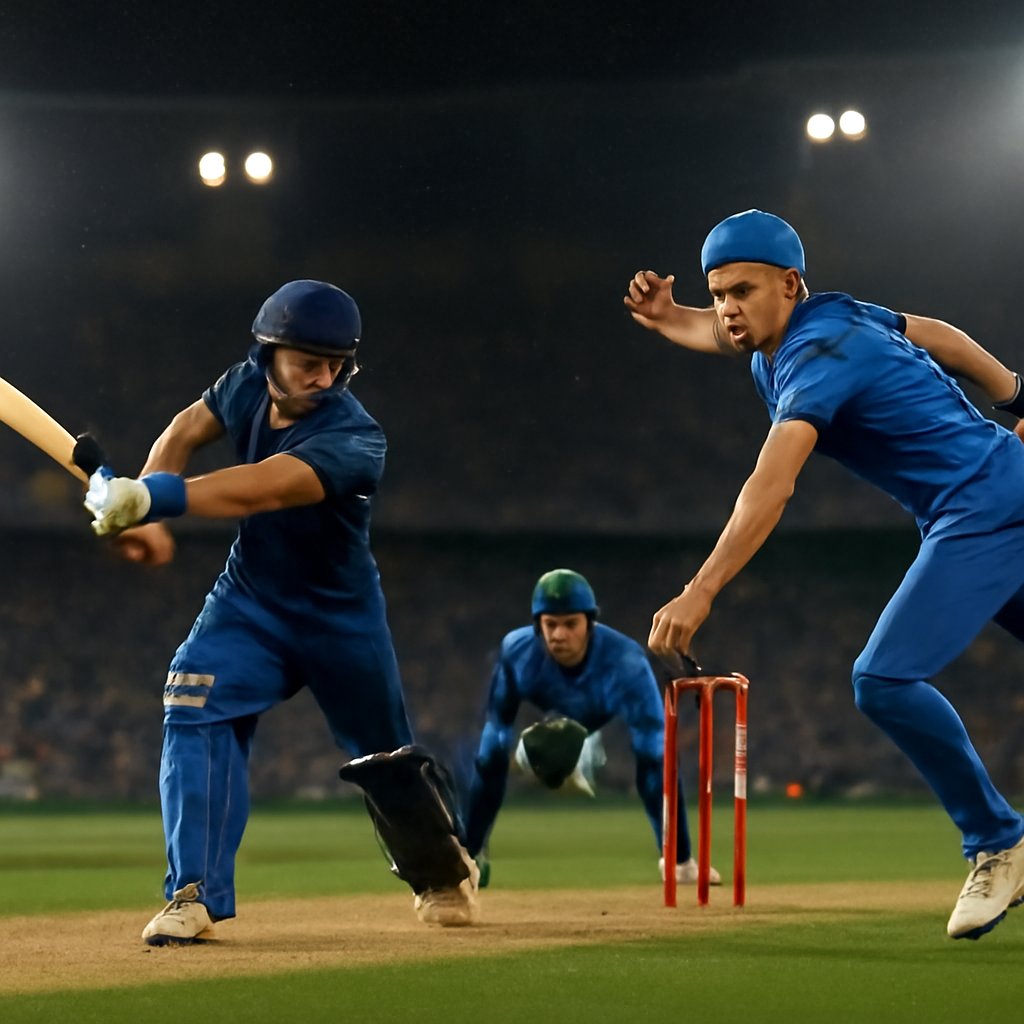
The Duckworth Lewis Method in Cricket, now refined as the Duckworth Lewis Stern approach, stands as the official rain interruption protocol for limited-overs matches, ensuring fair target revisions whenever weather curtails play in One Day International and IPL contests. This mathematical framework balances remaining resources of overs and wickets to produce revised targets that reflect what each side could reasonably achieve under normal conditions.
Having played at the state level in Mumbai, I understand what this requires technically—judging a revised chase is never just about numbers on a sheet; it demands an instinctive feel for how the ball behaves on a damp Wankhede pitch under lights.
Frank Duckworth and Tony Lewis developed the system in the late 1990s after several controversial rain-affected One Day International results highlighted the flaws of previous run-rate or average-run methods. The International Cricket Council formally adopted the Duckworth Lewis Method in Cricket during the 1999 World Cup, replacing less scientific approaches that often produced unfair targets. Steven Stern later refined the model in 2014, leading to the current Duckworth Lewis Stern version that incorporates updated scoring data and more accurate resource curves. In Test cricket the method is never applied because matches are not limited by overs, yet its influence extends indirectly through player preparation for white-ball formats used in IPL and ODIs. In Mumbai, we grew up watching players like this prepare for sudden showers that could turn a game on its head in the middle of a powerplay.
Prior to 1999, captains and umpires frequently argued over adjusted targets, damaging the integrity of tournaments. The Duckworth Lewis Method in Cricket eliminated most disputes by providing transparent tables and software that umpires could apply consistently across venues worldwide.
The core principle measures the percentage of resources a team possesses at any point, combining remaining overs and wickets in hand. A standard resource table shows that a full 50-over innings with 10 wickets represents 100 percent resources, while a side facing only 20 overs with 10 wickets retains roughly 60 percent. When rain shortens the second innings, officials calculate the resources lost by the batting side and scale the original target proportionally. Modern software instantly produces revised scores, allowing broadcasters to display par scores after every over. In IPL matches, where time pressure is intense, the Duckworth Lewis Method in Cricket has decided several playoff outcomes, forcing teams to adjust aggressive batting plans mid-innings.
During the 2023 ODI World Cup, multiple group-stage games used the system after brief showers, producing targets that commentators described as balanced yet challenging. Players such as Virat Kohli and Rohit Sharma have spoken about adapting their approach when they know the Duckworth Lewis Method in Cricket may come into play, emphasizing the need for early wickets and controlled run rates.
The Duckworth Lewis Method in Cricket regularly shapes IPL results because the tournament features evening matches susceptible to sudden Mumbai or Kolkata showers. In 2019, a high-profile Rajasthan Royals versus Mumbai Indians encounter saw Mumbai’s target revised from 180 to 164 in 15 overs; Rohit Sharma’s unbeaten 47 helped Mumbai reach the adjusted score, boosting his seasonal average. Statistically, teams batting second in rain-reduced IPL games win approximately 52 percent of completed matches, a slight edge compared with full-length fixtures. Bowlers such as Jasprit Bumrah have recorded improved economy rates under Duckworth Lewis Stern conditions because shorter targets reduce the number of death overs they bowl. Analysts now track “DLS-adjusted strike rates” for batters to compare performances across interrupted and uninterrupted innings, adding a new layer to player evaluation in fantasy cricket and team scouting reports.
Captains increasingly factor Duckworth Lewis Method scenarios into their initial tactics. Aggressive powerplay fields become more common when rain is forecast, aiming to reduce opposition resources early. Conversely, middle-order batters receive clear instructions on preserving wickets once the Duckworth Lewis Stern software is activated.
The Duckworth Lewis Method in Cricket has been used in more than 1,800 official limited-overs matches since 1999. IPL sides chasing revised targets have posted a collective win percentage of 51.8 percent across 14 seasons. India’s 2011 World Cup semi-final victory over Pakistan was unaffected by rain, yet the final against Sri Lanka featured a minor DLS calculation during the chase. The highest successful Duckworth Lewis Stern chase in IPL history stands at 187 in 14.3 overs by Chennai Super Kings in 2023. Steven Stern’s 2014 revision increased resource values for the final 10 overs by approximately 3 percent compared with the original model. ODI matches decided by the Duckworth Lewis Method show an average margin of victory of 28 runs or 4 wickets. Virat Kohli holds the record for most runs scored in DLS-affected IPL innings with 1,246 runs across 29 matches. Only two Test nations still do not use the system domestically, though both participate in ICC events that mandate its application.
The Duckworth Lewis Method in Cricket remains an essential safeguard for fairness in modern limited-overs cricket. Its continued refinement ensures that weather interruptions no longer decide matches through arbitrary calculations but through transparent, data-driven adjustments. As IPL viewership grows and ODI World Cups expand, understanding this system helps fans appreciate the strategic depth behind every revised target and every updated player statistic.
Sources
– ESPNcricinfo — Comprehensive cricket news, statistics, and match coverage
– ICC Official Website — International Cricket Council regulations and tournament information
– Cricbuzz — Live cricket scores, news, and analysis
– BBC Sport Cricket — Cricket news and match reporting


