
Understanding Duckworth Lewis Method in Limited Overs
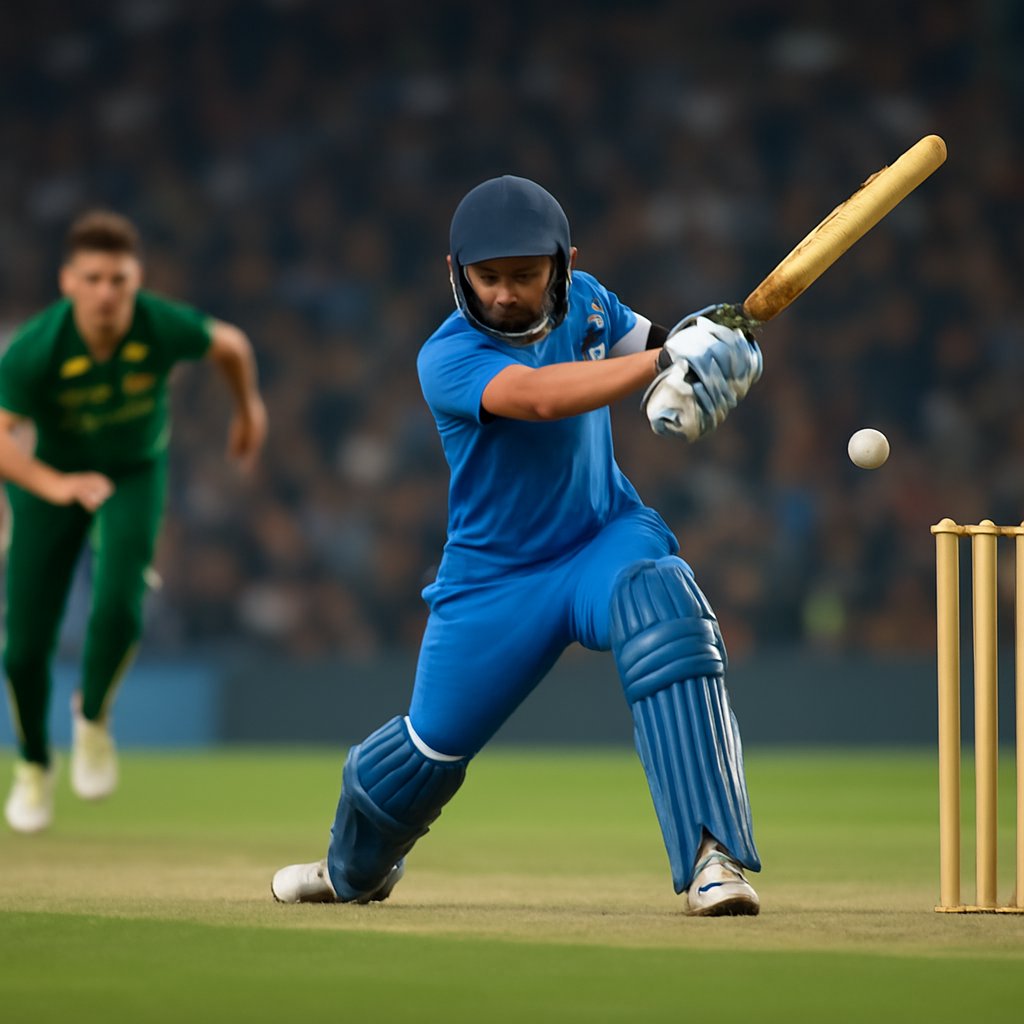
In the lush, rain-drenched fields of Kerala where I grew up, cricket was everything—our evenings filled with makeshift matches under coconut palms, interrupted far too often by sudden monsoons that forced us to recalculate scores on the fly. That lived experience makes the Duckworth Lewis Method feel especially personal, as it remains one of the most important tools in modern limited overs cricket for fairly resetting targets during rain-affected matches. Widely known as the Duckworth Lewis Stern or DLS method, it ensures competitive balance in One Day Internationals, T20 games and the IPL when weather interrupts play. This mathematical approach has transformed how teams, captains and analysts approach rain-curtailed encounters across global cricket, and the women’s game deserves as much scrutiny as the men’s when these adjustments decide ICC tournaments.
Frank Duckworth and Tony Lewis developed the original system in the late 1990s after several high-profile One Day International matches produced unfair results due to rain. Their resource-based model replaced the simplistic run-rate calculations that had previously been used. In 2014, Professor Steven Stern refined the formula further, leading to the current Duckworth Lewis Stern version adopted by the ICC. The method calculates the percentage of resources remaining for each team by combining overs left and wickets in hand, producing a revised target that reflects realistic scoring potential. This evolution has made the Duckworth Lewis Method far more accurate for limited overs formats ranging from 50-over ODIs to high-pressure T20 encounters.
Unlike Test cricket where time is unlimited, limited overs games assign fixed resources. The Duckworth Lewis Method quantifies these resources so that a team batting second after interruption faces a target proportionate to what it could have achieved with full resources. Analysts track every over and wicket because losing a key batter dramatically reduces remaining resources, a factor the algorithm captures precisely—whether in the men’s game or the women’s T20 leagues that light up South Indian grounds during the season.
At the heart of the Duckworth Lewis Method lies a table of resource percentages derived from historical scoring data. When rain stops play, officials input the number of overs remaining and wickets lost into the DLS software. The system then determines the resources available to both teams and adjusts the target accordingly. In an ODI, for example, if the second innings is reduced from 50 to 30 overs with five wickets down, the Duckworth Lewis Method produces a new target that accounts for the lost overs and the batting lineup’s remaining strength. The same principle applies in IPL matches where T20 resources are even more condensed, making accurate application critical for dramatic finishes. Captains often discuss projected scores using Duckworth Lewis tables during rain delays. Modern broadcast teams display live resource graphs so viewers understand why a target jumps or drops suddenly. The method also handles multiple interruptions by recalculating after each stoppage, ensuring fairness even in stop-start games common during monsoon-affected IPL seasons in our part of the world.
The Duckworth Lewis Method has directly influenced countless IPL results and ODI rankings. In the 2019 IPL season, several rain-affected matches saw teams defend revised targets set by DLS, altering net run-rate calculations that ultimately decided playoff qualification. Similarly, in One Day Internationals, sides like India and Australia have both benefited and suffered from DLS-adjusted chases, with player statistics reflecting the pressure of revised targets. Batters with high strike rates often perform better under Duckworth Lewis scenarios because the method rewards aggressive scoring when resources are limited. Statisticians now maintain separate DLS-specific metrics for limited overs cricket. For instance, a finisher’s average in rain-curtailed T20 matches is tracked differently because the Duckworth Lewis Method compresses the game into fewer overs. Bowlers who excel at yorkers and variations also see improved economy rates in DLS games since the algorithm favors containment when overs are lost. These nuanced statistics help franchises during IPL auctions when assessing players for high-stakes, weather-dependent tournaments.
The Duckworth Lewis Method has been used in over 2,500 international limited overs matches since 1999. Resource values range from 100% at the start of an innings to near zero when ten wickets are lost with no overs remaining. In the IPL, approximately 12-15% of matches each season are decided using DLS calculations. The highest successful DLS-adjusted chase in ODI history stands at 322, set against a revised target in 2015. Modern DLS software updates targets within seconds, reducing controversies compared with earlier manual calculations. Teams winning the toss often factor Duckworth Lewis probabilities into their decision during uncertain weather forecasts. Player strike-rate averages increase by an average of 8-10 points in matches shortened by the Duckworth Lewis Method.
Understanding the Duckworth Lewis Method is essential for anyone following limited overs cricket, whether it is a rain-interrupted IPL thriller or a high-stakes ODI World Cup clash. The system’s blend of mathematics, historical data and real-time adjustments ensures that limited overs matches retain their competitive integrity despite unpredictable weather. As T20 leagues expand globally and player statistics become ever more detailed, the Duckworth Lewis Method will continue to shape strategies, rankings and memorable moments in the sport for years to come.


