
Impact of T20 Format on Modern Cricket
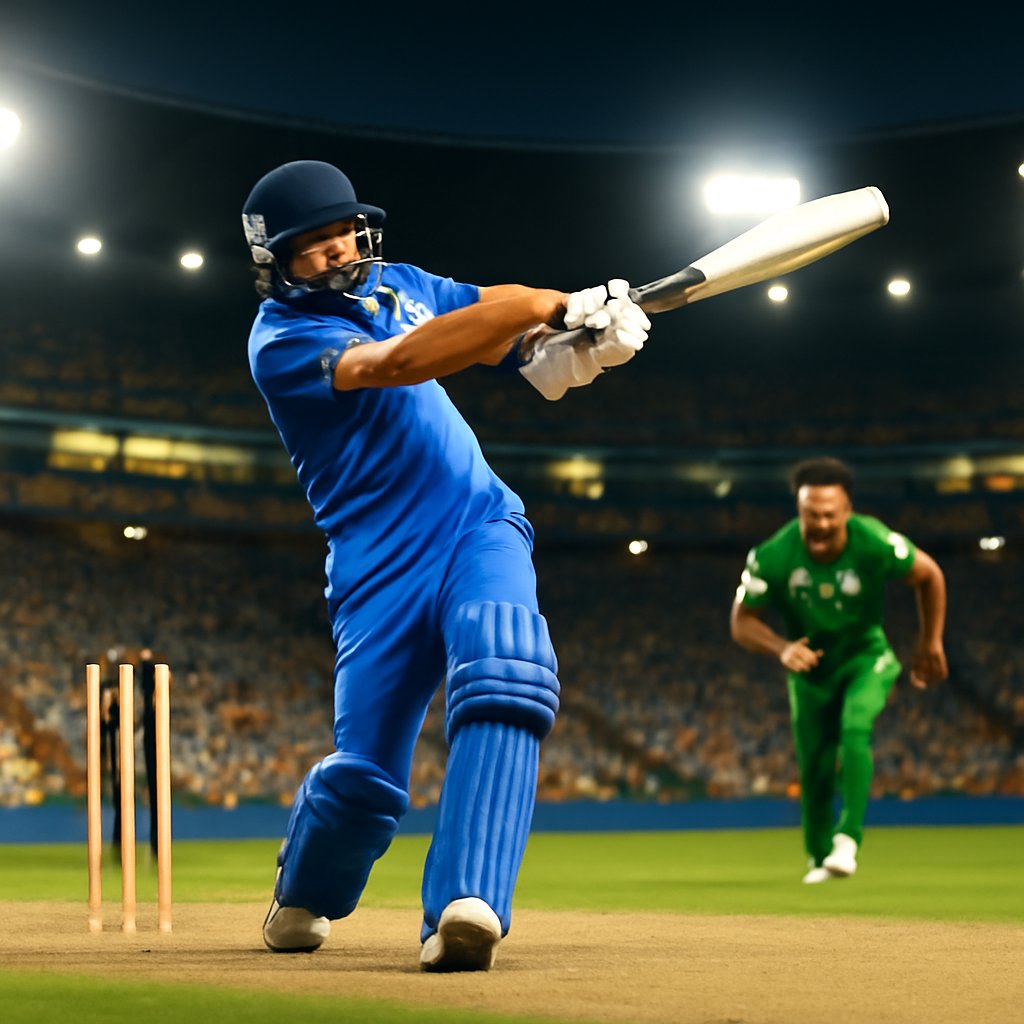
The T20 format has truly reshaped modern cricket, touching everything from how we bat and bowl to the way the game is packaged and sold across the world. Since it first appeared in 2003, this shortest version has sped up the shift toward aggressive strokeplay, clever bowling variations and numbers-driven planning, leaving its mark on the IPL, Test matches and ODIs alike. Batsmen now chase strike rates the way earlier generations chased averages, while the IPL turned the sport into a high-voltage spectacle that mixes raw athleticism with edge-of-the-seat drama every night.
When the format first caught fire at the 2007 ICC World Twenty20, the clashes between India and Pakistan showed everyone what was possible. That energy fed straight into the launch of the IPL the following year, and suddenly the richest league on the planet was also the finest finishing school for T20 skills. Domestic T20 competitions in Australia, England and the Caribbean quickly copied the IPL blueprint, pulling in the best players and pushing numbers on streaming platforms higher than anyone expected.
The commercial explosion around T20 cricket has created unprecedented opportunities for players at every level. Prize pools for T20 leagues have grown exponentially, with franchise-based models now operating in over 150 countries. The Big Bash League in Australia, The Hundred in England, and the Caribbean Premier League have all become cultural touchstones in their respective regions, generating billions in revenue and attracting global television audiences that rival traditional formats. This financial injection has allowed cricket boards to invest more heavily in player development, coaching infrastructure and women’s cricket programs, with T20 serving as the primary vehicle for growth in emerging markets.
Having played at the state level, I understand what this requires technically: the IPL auctions have completely changed how we value players, with names like Virat Kohli and MS Dhoni landing multi-million-dollar deals on the back of T20 numbers. The focus on power-hitting has made stats such as sixes per innings and economy rates the new language of the game, keeping even casual viewers glued. That same commercial surge has quietly supported grassroots setups, bringing more kids into the sport worldwide.
The technical innovations spawned by T20 cricket have fundamentally altered how the game is played across all formats. Players now develop unconventional shots much earlier in their careers—the ramp, the scoop, the reverse sweep and the switch-hit are no longer novelties but essential weapons. Young cricketers who grow up in T20-dominated environments learn aggression as a first instinct rather than a refinement, which has accelerated the global pace of batting evolution. Fast bowlers have responded by perfecting the slower ball, the yorker and variations like the knuckle ball, turning death bowling into a specialized art form that demands constant innovation.
In Mumbai we grew up watching players like this adapt in real time. Modern batsmen now bring out the ramp and the switch-hit as standard tools, while bowlers answer with yorkers, slower balls and the kind of variations that were once considered party tricks. Top-order strike rates in T20 sit comfortably between 130 and 150, compared with the 80-90 range we still see in ODIs. All-rounders like Hardik Pandya have become indispensable because they can finish with the bat and deliver in the death overs with the ball.
The rise of specialist roles within T20 teams has created new career pathways that didn’t exist a decade ago. Death-bowling specialists, powerplay anchors, middle-order finishers and even designated bowlers for specific phases now have clearly defined roles with corresponding price tags. This has made T20 cricket more tactical and chess-like, where captains must balance their eleven based on match situations and opposition strengths. The data revolution in T20 has also given smaller nations and lesser-known players a platform to showcase their talents on a global stage through franchise leagues, democratizing access in ways traditional international cricket never could.
Coaches today pore over T20-specific numbers like balls faced per boundary and dot-ball percentages to sharpen sessions. This data-heavy approach has produced the likes of Jos Buttler and KL Rahul, whose IPL form carries over into stronger ODI and Test returns. At the same time it has sparked quiet worry about younger talents who chase T20 success at the expense of red-ball technique. County cricket in England and Sheffield Shield cricket in Australia have both reported concerns about young batsmen who excel in T20 but struggle with the patience and technique required for longer formats. This has prompted cricket boards to implement structured pathways that encourage players to develop skills across all formats rather than specializing too early.
The IPL’s crowded calendar has also brought fatigue into Test series, yet the shorter format’s influence shows up in more attacking declarations and quicker scoring rates in longer games. ODIs have absorbed T20 ideas too, with powerplays and death bowling growing sharper since the 2015 World Cup. Recent ICC events already show T20 World Cup audiences outstripping those for ODIs, which is why administrators are testing rest protocols and hybrid rules to keep Test cricket healthy. Legends like Sachin Tendulkar keep reminding everyone that the five-day game remains the ultimate examination of skill, and balanced growth across formats is essential.
Women’s cricket has been particularly transformed by the T20 revolution. The Womens’ T20 World Cup and domestic T20 leagues have provided female cricketers with genuine career prospects and global recognition that was simply unavailable in earlier eras. The Women’s IPL, now in its second year, has drawn unprecedented viewership and investment, proving that women’s T20 cricket can be commercially viable and entertaining. Players like Smriti Mandhana, Alyssa Healy and Pat Cummins’ wife Mel Jones have become household names partly through their IPL performances, inspiring a new generation of young female cricketers and driving participation rates upward worldwide.
Key facts underline how far things have moved. The IPL has built more than ten billion dollars in brand value since 2008. Leading batsmen’s strike rates across major leagues have climbed twenty-five percent between 2010 and 2023. India’s T20 World Cup triumphs in 2007 and 2022 lifted the country’s global profile. Specialists like AB de Villiers once cleared thirty-plus sixes in a single IPL season, something almost unheard of before the format arrived. ODI run rates have lifted from 4.5 to beyond 5.5 runs per over, and Test teams now post 400-plus totals more regularly. More than 150 T20 leagues now run worldwide, opening doors into the IPL and national sides.
The strategic thinking required in T20 cricket has also influenced decision-making in longer formats. Aggressive field placements, calculated risk-taking and match-ups between individual batsmen and bowlers have become central to modern cricket tactics. Teams now prepare specific game plans for different phases of T20 innings, with opening partnerships tasked with taking calculated risks rather than merely surviving, and lower-order batsmen trained to hit from ball one. This shift in mentality has created a more dynamic brand of cricket that appeals to younger audiences who grew up watching T20 leagues rather than Test cricket.
The format keeps evolving, pushing fresh ideas while testing the sport’s older foundations. Through the IPL and its global cousins it has widened access and made every player’s numbers visible, keeping cricket alive for the next generation. Finding the right balance between this excitement and respect for Test cricket and ODIs will shape what comes next.


