
Highest Individual Scores in Test Cricket
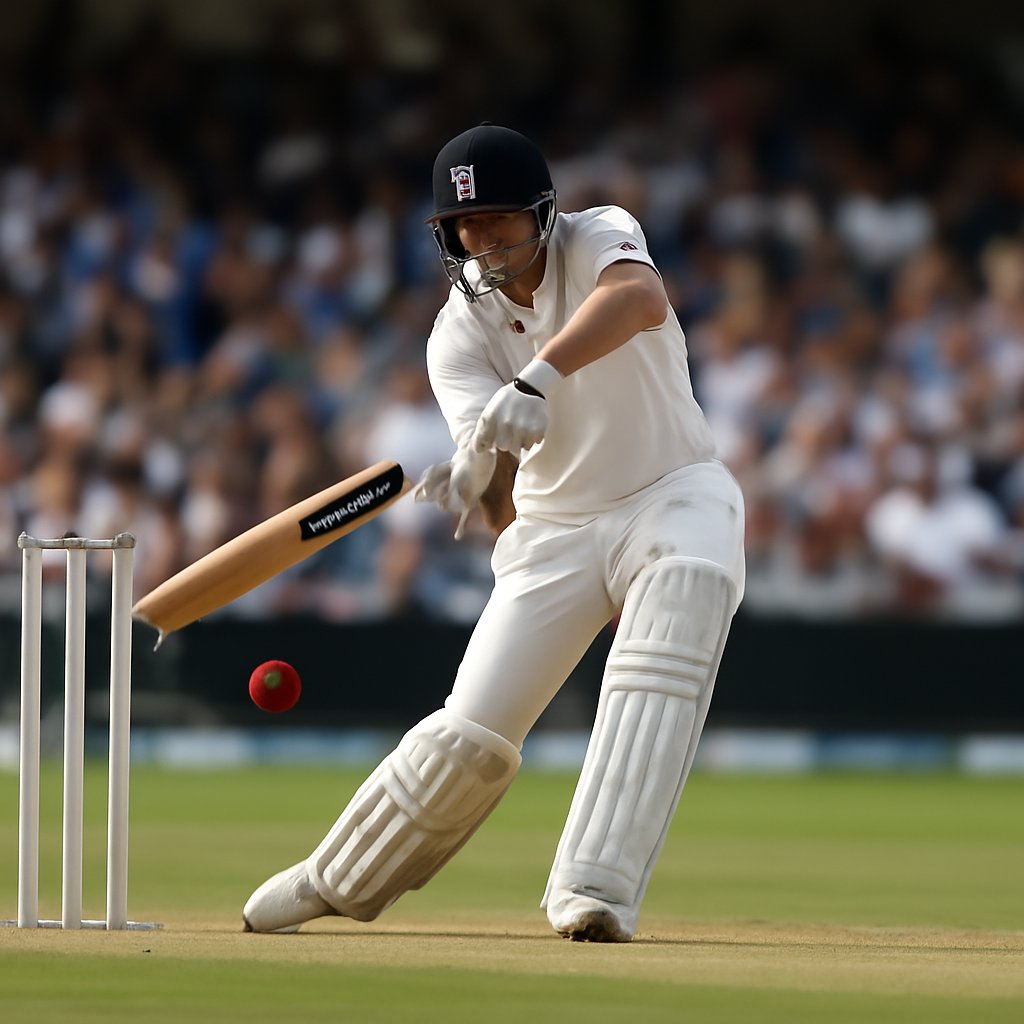
In the five-day arena of Test cricket, those highest individual scores speak to something far deeper than mere numbers—they test a batsman’s technique, concentration, and endurance against the very best attacks the world can muster. Whether it’s a dramatic declaration or an innings that grinds down opposition bowlers over multiple sessions, these knocks continue to shape how we talk about batting greatness, especially from a South Asian lens where patience meets occasional flashes of aggression.
Brian Lara’s unbeaten 400 against England at Antigua in 2004 sits at the summit. This came at a time when West Indies cricket was in transition, yet Lara delivered a masterclass in shot selection and mental strength. He faced 582 deliveries, striking 4 fours and 4 sixes, becoming the only man to breach 400 in Test history. The knock laid the foundation for a huge total and remains the benchmark every aspiring batter measures himself against. Having played at the state level, I understand what this requires technically—staying side-on, rotating strike without forcing shots, and reading the ball off the pitch for hours on end.
Lara built his double century through those elegant cover drives and pulls that worked equally against pace and spin. The triple century followed disciplined defence that showed why he belongs among the all-time greats. Crossing 400 brought the crowd to its feet, marking one of those rare moments that still echo in cricket conversations today. What made this knock particularly special was Lara’s composure during the third and fourth days when fatigue typically sets in. He managed to maintain intensity while minimising risk, a quality that separates record-breakers from ordinary high scorers.
Matthew Hayden’s 380 against Zimbabwe in Perth in 2003 holds second spot. The Australian opener hammered 38 fours and 11 sixes, capitalising on a flat wicket and a depleted attack. It proved how conditions and intent can combine for record innings. Hayden’s aggressive approach—accumulating runs at nearly 50 per hundred balls—demonstrated that big scores don’t always require the grinding methodology Lara employed. His ability to dominate the bowling from ball one, backed by confident stroke play against both pace and spin, set a template for modern opening batsmen aiming for substantial totals.
Soon after, Lara himself had set the earlier mark with 375 against England in 1994, a score that stood for nearly a decade. This earlier masterpiece showcased his complete range—from defence to aggression—and established him as the premier batsman of his era. The gap between his 375 and 400 perfectly illustrates how Lara continuously evolved his craft, returning to the same venue a decade later to surpass even his own monumental achievement.
Further down the list sit Mahela Jayawardene’s 374, Virender Sehwag’s 319, and Hashim Amla’s 311. Each came against different bowling units and surfaces, underlining how adaptability matters above all. Sehwag’s triple century, in particular, mixed explosive strokeplay with Test match temperament—exactly the blend Indian fans recognise from players who cut their teeth in domestic cricket before carrying that freedom into the longer format. Jayawardene’s 374 came against South Africa and showcased the technical mastery that defined his career, while Amla’s 311 against India reflected the concentration and composure that made him one of the finest batsmen of the 2010s.
The Sri Lankan contingent has produced remarkable performances in recent decades. Kumar Sangakkara’s 319 against Bangladesh and Roshan Mahanama’s 319 against India both demonstrated Sri Lanka’s tradition of producing technically sophisticated batsmen. These scores remind us that record-breaking innings aren’t confined to just a handful of nations, though certain cricket boards and venues do feature more prominently in the record books.
Test scoring has shifted markedly since the 19th century. Uncovered pitches and minimal protection once kept totals modest. Covered wickets and modern bats changed the equation, with the biggest innings clustering in the 2000s on flatter surfaces. In Mumbai, we grew up watching players like this push boundaries while respecting the game’s traditions, and today’s athletes gain extra edge from video analysis and fitness regimes that let them occupy the crease longer. The evolution of equipment—lighter, more responsive bats manufactured with advanced composites—has enabled batsmen to accumulate runs at previously impossible rates while still maintaining classical technique.
Reaching one of these scores lifts a player’s career average and cements his place in history. Lara’s 400 nudged his average past 50 despite difficult team situations around him. Hayden’s 380 solidified his standing as a dominant opener. While Tests reward staying power, these knocks also feed into discussions about cross-format players—IPL stars often cite such Test epics as motivation when blending T20 power with classical defence. One Day centuries build confidence, yet nothing carries the same weight as a Test record that can endure for generations. The psychological impact of scoring a triple or quadruple century extends far beyond the individual—it elevates the entire team’s confidence and often produces momentum that carries into subsequent matches.
Venues like Antigua Recreation Ground and the WACA have repeatedly hosted these landmark innings. Flat tracks with short boundaries and weaker attacks create the right environment, alongside weather and pitch preparation. Modern drainage helps too, supporting those marathon efforts. The Antigua Recreation Ground, in particular, has become synonymous with high-scoring performances, having hosted not only Lara’s 400 but numerous other substantial centuries. Perth’s WACA ground, before its retirement from Test cricket, was similarly known for producing batsman-friendly conditions that encouraged lengthy batting displays.
The modern era has introduced additional factors affecting score accumulation. Day-night Tests with pink balls have occasionally altered pitch behaviour, while different playing conditions across various nations add variables that historical record-setters never encountered. Nonetheless, the fundamental requirements—discipline, focus, physical fitness, and technical soundness—remain constant. Batsmen aspiring to join the 350+ club must master shot selection, understanding exactly which deliveries to attack and which to leave or defend.
Key facts remain clear: Lara’s 400* is the sole quadruple century in Test annals. The top five all exceed 350. Seven of the top ten arrived in the 21st century. Australia and West Indies feature heavily among record holders. Only Lara has posted two separate 350-plus scores. These knocks frequently push team totals beyond 700 and swing matches decisively. The West Indies, despite recent struggles, contributed significantly to this list due to their dominance in the 1980s and 1990s, when players like Lara and Conrad Hunte established the standards that still define excellence today.
Batsmen pursuing record scores typically bat when their team has already established a strong position, allowing them freedom from immediate match pressure. This context differs markedly from centuries scored while building a first-innings total from a precarious situation. The psychological luxury of batting in a declaration mindset enables the extended concentration these marathons require. Additionally, partnerships matter—batsmen scoring big centuries often benefit from solid support at the other end, reducing pressure to accelerate artificially.
Such performances embody the sport’s heritage while pointing to its continued growth. From Lara’s 400 to Hayden’s 380, they offer lessons in technique and resilience that resonate from domestic grounds in India right through to the IPL and beyond. New names may eventually join this company, but the existing marks stand as enduring proof of what batting excellence demands. As modern players continue pushing boundaries with improved training methods and enhanced understanding of match situations, the possibility remains that these hallowed records might eventually be challenged—yet any batsman achieving such a feat would cement their legacy as one of cricket’s immortals.


