
Top Wicket Takers in IPL Seasons Ranked
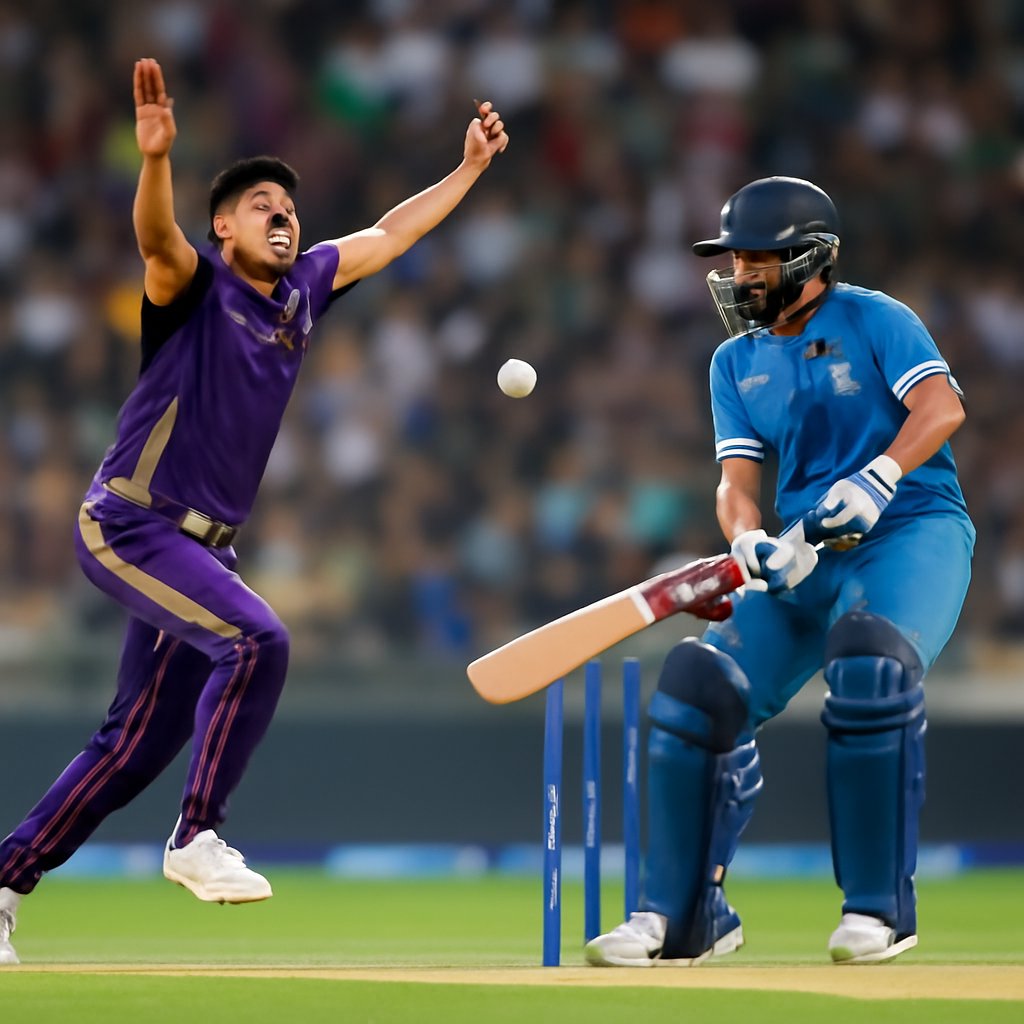
Growing up in Kerala, cricket was everything—from the coconut groves where we’d mimic Malinga’s slinging action to the monsoon evenings spent debating spin variations under the fading light. That same passion fuels discussions around the top wicket takers in IPL seasons, where bowlers from across the globe chase the Purple Cap and redefine what it means to dominate in the shortest format. Whether you follow Test cricket or One Day International formats, the fast-paced nature of IPL demands unique skills from pacers and spinners alike, and the women’s game deserves as much scrutiny as the men’s when we celebrate these match-winners.
The all-time list of top wicket takers in IPL seasons highlights bowlers who have delivered consistently across multiple campaigns. Lasith Malinga sits at the summit with 170 wickets in 122 matches, using his deadly yorkers and slower balls to devastating effect for Mumbai Indians. Close behind is Amit Mishra with 166 wickets, the leg-spinner known for his variations and ability to bowl in the powerplay and death overs. Dwayne Bravo follows with 163 scalps, excelling in the middle overs with his slower deliveries and sharp yorkers. Other names that feature prominently include Harbhajan Singh, Ravichandran Ashwin and Piyush Chawla, each contributing over 150 wickets across different franchises. These figures demonstrate how sustained excellence over 15-plus seasons separates the elite from one-match wonders, much like how South Indian spinners have long shaped ICC events with their guile.
Tracking top wicket takers in IPL seasons year after year reveals fascinating patterns. In IPL 2023, Mohammed Shami claimed the Purple Cap with 24 wickets for Gujarat Titans, using his pace and seam movement effectively on flat tracks. The previous season saw Yuzvendra Chahal top the charts again with 27 wickets, underlining his status as one of the premier leg-spinners in limited-overs cricket. Earlier campaigns featured Kagiso Rabada in 2019 and 2020, whose raw pace troubled even the best batters. Spinners like Harshal Patel and Rashid Khan have also dominated individual seasons with their variations and control. Each Purple Cap winner brings a different skill set, whether it is express pace, mystery spin or death-over accuracy, proving that conditions and team balance play a huge role in determining the leading wicket-taker—echoing the tactical depth we see in ICC tournaments.
Bowlers who finish among the top wicket takers in IPL seasons often become the cornerstone of their franchise’s campaign. Mumbai Indians’ success in multiple title wins owes much to Malinga and later Jasprit Bumrah, whose ability to take wickets in clusters changed matches. Chennai Super Kings relied on the experience of Bravo and Ravindra Jadeja to defend totals and restrict opposition scoring. In recent years, Gujarat Titans built their title-winning squad around Shami and Rashid Khan, showing how a balanced attack can dominate the regular season and playoffs. These players not only collect wickets but also create pressure that allows captains to rotate strike and manage middle overs effectively. Their contributions extend beyond raw numbers, influencing field placements, bowling changes and overall team confidence during high-stakes encounters.
Understanding the mechanics behind why certain bowlers become top wicket takers in IPL seasons requires examining their approach to different phases of the game. The powerplay overs demand aggressive bowling with the new ball seaming or swinging, where pacers like Bhuvneshwar Kumar have excelled. During the middle overs, spinners gain prominence as batters look to build momentum, making leg-spinners and off-spinners invaluable assets. The death overs, perhaps the most critical phase, belong to specialists who can vary their pace and length—think Malinga’s yorkers or Bravo’s slower balls. The best all-around bowlers master all three phases, which is why they consistently feature in the top wicket takers list across multiple seasons. This versatility separates the truly elite from those who excel in specific conditions or match situations.
The role of pitch conditions cannot be understated when analyzing top wicket takers in IPL seasons. Venues like Chepauk in Chennai have historically favored spinners, allowing bowlers like Ashwin and Jadeja to rack up impressive wicket tallies. Conversely, grounds like the Arun Jaitley Stadium in Delhi have produced faster pitches that assist pace bowlers, benefiting pacers throughout the tournament. The impact of weather patterns, particularly humidity and cloud cover, also influences which type of bowler dominates a particular season. Teams that strategically deploy their bowlers based on venue-specific conditions often find their leading wicket-taker outperforming peers from other franchises. This tactical awareness, combined with match-ups against specific opposition batters, creates a dynamic where the same bowler might have contrasting fortunes in different cities or against particular teams.
Looking at the evolution of bowling styles among top wicket takers in IPL seasons reveals how T20 cricket continues to influence player development globally. Early IPL editions saw traditional medium-pacers dominate, but the format’s exponential growth in batting power-play has forced bowlers to innovate constantly. Modern leading wicket-takers increasingly employ variations like the knuckleball, slower yorker, and mystery balls that weren’t prevalent in earlier seasons. Young bowlers entering the IPL now have a blueprint of success, often modeling themselves after established names. The emergence of faster bowlers from Afghanistan and other emerging cricket nations has also heightened competition for the Purple Cap, as demonstrated by Rashid Khan’s consistent performances with both bat and ball.
The statistics paint an intriguing picture when comparing top wicket takers in IPL seasons across different eras. While Malinga’s longevity speaks volumes about his consistency, recent seasons have seen bowlers like Chahal claim multiple Purple Caps in shorter spans, suggesting that the modern game’s intensified focus on specialist bowlers has made reaching high wicket totals more feasible. The average wickets needed for a Purple Cap has fluctuated, with 2021 seeing Harshal Patel claim 32 wickets—a figure that underscored both his brilliance and the season’s alignment with his skill set. Conversely, in some seasons, winning the Purple Cap with just 20-odd wickets reflects either better balance across bowling attacks or weather-interrupted campaigns affecting total matches played.
Individual brilliance combines with team dynamics in determining top wicket takers in IPL seasons, as bowlers need adequate support to shine consistently. A strong batting lineup takes pressure off the bowling attack, allowing bowlers to be more aggressive knowing they’re not defending razor-thin margins. Conversely, weak batting units place enormous pressure on bowlers, sometimes forcing them into unfavorable situations where they tire from excessive bowling. Championship-winning franchises typically have balanced squads where both batting and bowling units contribute meaningfully, creating an environment where the leading bowler can flourish. Teams that have won the IPL invariably have featured at least one leading wicket-taker who was pivotal to their success, reinforcing the interdependence of individual excellence and collective team performance.
Here are the key facts that stand out: Lasith Malinga holds the record for most IPL wickets with 170 scalps across 122 matches. Yuzvendra Chahal is the only bowler to win the Purple Cap twice in consecutive seasons (2022 and 2018). The highest wickets in a single IPL season stands at 32, achieved by Harshal Patel in 2021. Spinners account for nearly 45 percent of all wickets taken in IPL history despite the batting-friendly pitches. Most top wicket takers in IPL seasons have also represented India in Test cricket and One Day International matches. Death-over specialists like Malinga and Bravo have conversion rates above 25 percent when bowling in the final six overs. Franchises that finish in the top four consistently feature at least two bowlers inside the season’s top-10 wicket-takers list. The average economy rate for Purple Cap winners hovers around 7.5 runs per over, demonstrating that leading wicket-takers maintain control alongside taking scalps.
The mental aspect of becoming a top wicket taker in IPL seasons deserves recognition alongside technical skills. Bowlers must remain composed under immense pressure, bouncing back from expensive overs or crucial dropped catches. The shortest format’s unpredictability—where a batsman can shift momentum in one over—requires exceptional mental fortitude. Champions


