
Analysis of Rain Affected ODI Games
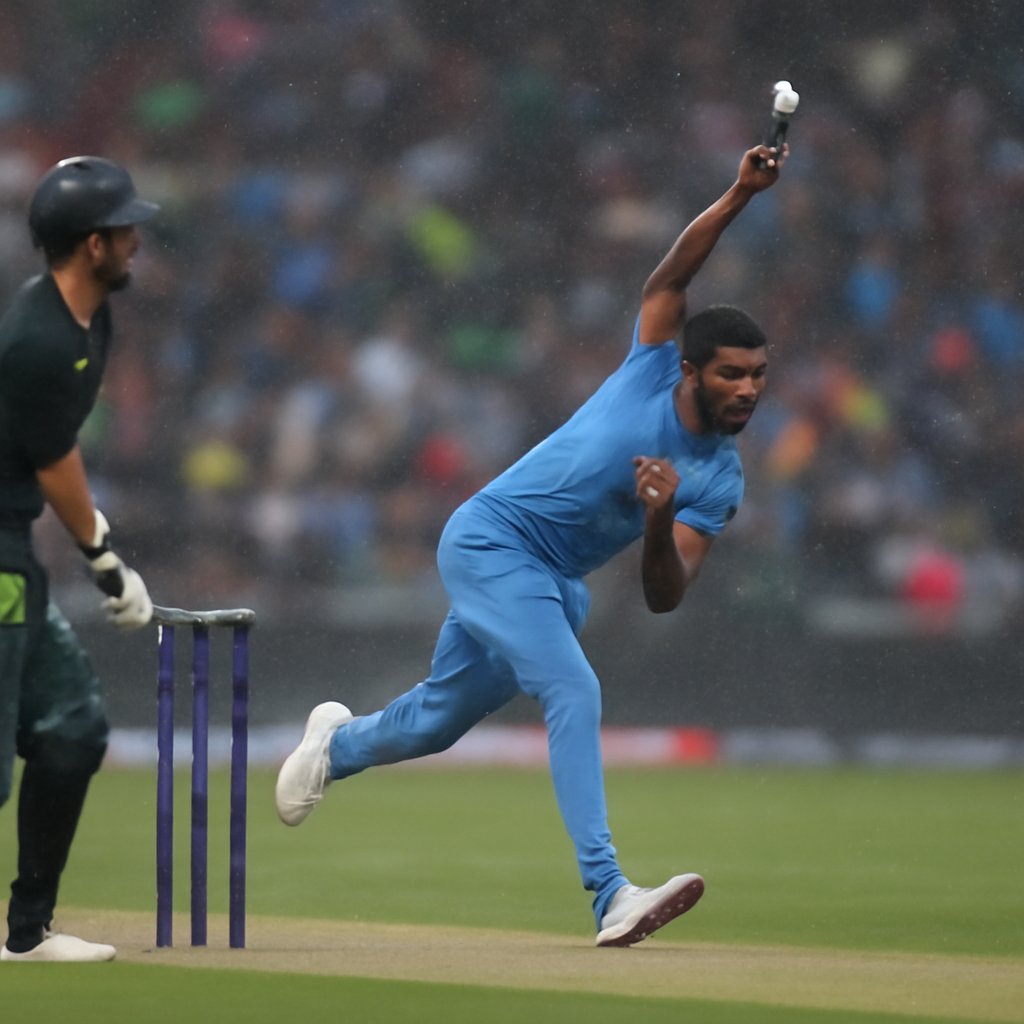
Rain affected ODI games have always carried a special weight in the world of One Day International cricket, reshaping outcomes with the unpredictability of monsoon clouds rolling in from the Arabian Sea. Growing up in Kerala, cricket was everything—sticky wickets on village grounds during sudden downpours taught us early that weather could turn a contest on its head, demanding the same resilience we see at the highest levels. These interruptions test not just the players but the very frameworks that keep the game fair, none more so than the Duckworth-Lewis-Stern method that the ICC has refined over the years to protect competitive balance across rain-hit encounters.
The women’s game deserves as much scrutiny as the men’s, and it is striking how similar challenges play out in ICC Women’s Championship ODIs, where South Indian talents like those from Kerala and Tamil Nadu bring the same instinctive adaptability honed on rain-soaked pitches back home. Early rain rules in the 1970s often led to arbitrary overs reductions or run-rate calculations, sparking controversies that skewed records until the Duckworth-Lewis method arrived in 1999 and evolved into the current DLS system. That mathematical precision now governs everything from bilateral series to World Cup clashes, ensuring targets reflect resources lost rather than leaving teams at the mercy of the skies.
Before these standardised protocols, rain affected ODI games frequently ended in no-results or lopsided victories that distorted batting averages in shortened chases. The 1992 World Cup semi-final between South Africa and England laid bare those flaws, prompting the global shift toward better systems that today integrate seamlessly into both men’s and women’s international schedules. In domestic circuits echoing the IPL’s monsoon disruptions, analysts track how teams navigate revised targets, spotting patterns that reward composure under pressure.
Captains facing DLS recalculations must pivot quickly—shifting from all-out aggression to measured risks once the par score is set. Bowlers often seize the initiative in truncated games, while batsmen prioritise strike rotation. All-rounders frequently shine in these scenarios, their balanced contributions lifting overall averages. Teams like India have long prepared with simulations that mirror real weather delays, a discipline that serves both the men’s and women’s sides equally well when the heavens open.
A memorable illustration came in the 2019 World Cup clash between India and Pakistan, where rain shortened the match and placed a premium on calculated innings under the adjusted target. Virat Kohli’s measured approach highlighted how rain affected ODI games reward patience. Data from recent bilateral series shows sides winning the toss in such conditions electing to bowl first 65 percent of the time, seeking fresher conditions after the delay.
Since 2000, roughly 12 percent of all One Day Internationals have felt rain’s touch, with DLS-adjusted fixtures producing a 48 percent win rate for chasing teams against the 52 percent seen in full-length games. Batting averages dip by about eight runs on average in these matches, though strike rates for top-order players climb as they accelerate. In the IPL’s own monsoon-affected encounters, similar trends influence playoff hopes and individual milestones.
Performers such as Sachin Tendulkar and MS Dhoni excelled in these conditions, with Dhoni posting one of the stronger records in DLS chases. Modern batters like Babar Azam similarly thrive through precise selection. ODI specialists often hold an edge over pure Test players here because of their comfort with powerplay constraints. Fantasy enthusiasts and number-crunchers follow these shifts closely, noting how underdogs can capitalise and reorder seasonal standings.
Rain affected ODI games account for nearly 15 percent of all World Cup matches historically, with DLS delivering decisive results in over 90 percent of cases. Defending sides win 55 percent of the time when the par score exceeds 250, underscoring the value of bowling depth. Since the 2014 Stern revision, no-result percentages have dropped below 2 percent. IPL data shows parallel effects during group stages, where interruptions reshape net run rates and qualification paths. Top batsmen post 12 percent higher strike rates in the final 10 overs of rain-affected ODIs compared with uninterrupted fixtures. Australia leads with 28 victories in DLS-adjusted ODIs, India close behind with 24, numbers that continue to shape global rankings.
The strategic implications of rain interruptions extend far beyond simple mathematics. Teams that prepare extensively for these scenarios gain a psychological edge over opponents caught unprepared. Ground conditions play a critical role—venues in monsoon regions like India, Pakistan, and the Caribbean see more frequent interruptions, making home sides inherently more comfortable navigating revised targets. The quality of the outfield drainage systems directly influences how quickly play can resume, with newer stadiums investing heavily in sophisticated drainage infrastructure to minimise delays. Pitches that have absorbed moisture become slower and favour spinners, fundamentally altering bowling strategies once play resumes.
Coaching staffs now maintain detailed weather analytics and historical rain data for every international venue, using this information to guide toss decisions and field placements. The advent of weather prediction technology means captains can anticipate interruptions with greater accuracy, allowing them to adjust run-rate calculations and batting aggression accordingly. Teams trailing on the par score in the initial overs understand they have less margin for error, while those ahead can afford to consolidate before potential rain arrivals.
The Duckworth-Lewis-Stern formula itself represents a fascinating intersection of cricket philosophy and mathematical rigour. Unlike simple run-rate reductions that dominated earlier eras, DLS recognises that losing overs early in an innings is significantly more damaging than losing overs late, when batsmen typically accelerate. The method calculates remaining resources as a function of both overs and wickets in hand, producing target scores that genuinely reflect equivalent competitive situations. The introduction of the Stern revision in 2015 further refined this approach, accounting for modern batting patterns showing greater aggression in limited-overs formats.
Notable rain-affected matches have produced some of cricket’s most dramatic moments. The 2015 World Cup quarter-final between India and Bangladesh saw India chase down an adjusted target in a tense encounter that tested both batting skill and nerve under pressure. The 2011 World Cup semi-final between India and Pakistan, played on a rain-affected surface in Mohali, became legendary partly because India managed to maintain composure through weather interruptions and a hostile atmosphere. These matches demonstrate that success in rain-affected ODIs requires not just technical excellence but mental fortitude.
Younger cricketers now receive specific training in DLS-adjusted scenarios, with net sessions simulating various rain interruptions and revised targets. Coaches emphasise situational awareness—understanding not just the current required run-rate but how potential rain could shift objectives. Batsmen study par scores against different DLS scenarios, practising acceleration patterns timed to ensure they exceed target before potential delays. Bowlers learn to operate under different field restrictions and intensified scoring pressure in compressed matches.
The evolution of rain affected ODI games has inadvertently highlighted the resilience built into cricket’s 50-over format. Where Test cricket cannot accommodate weather delays without compromising integrity, and T20 matches are too short to adapt meaningfully, ODIs provide the perfect canvas for weather drama. This flexibility has made the format beloved across cricketing nations, particularly those where seasonal rains pose genuine scheduling challenges.
Ultimately these weather-driven contests keep adding layers of intrigue to the 50-over format, pushing the ICC and teams alike toward constant innovation. By appreciating how player records evolve under such adversity, we gain a richer sense of the game’s enduring spirit across every format and every corner of the cricketing world.


