
Iconic IPL Opening Partnerships Ranked
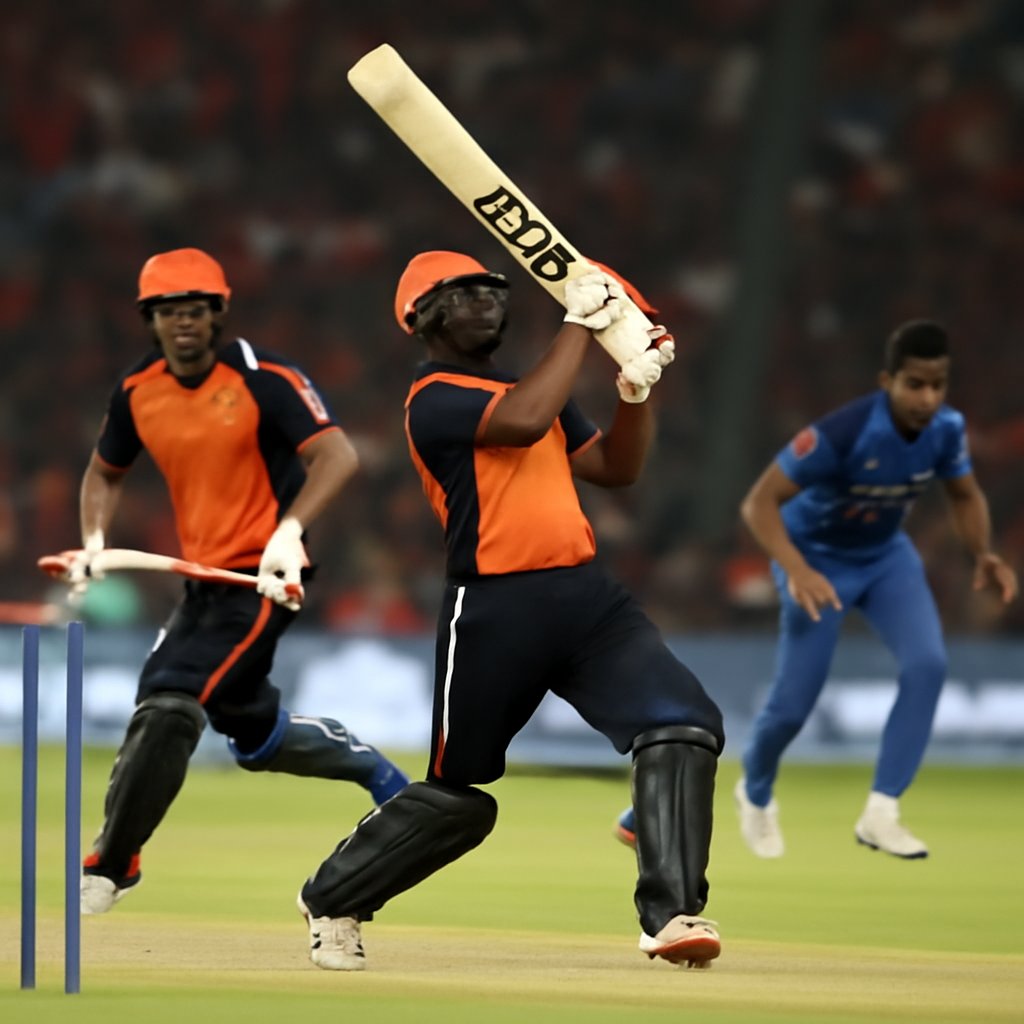
The IPL’s opening acts have always felt like the first monsoon showers back home in Kerala—sudden, electric, and capable of changing everything in a matter of overs. Growing up in Kerala, cricket was everything, from temple grounds to the dusty maidans where girls like me dreamed of batting alongside the boys. These iconic opening stands, built on power and partnership, continue to shape the league, yet the women’s game deserves as much scrutiny as the men’s, especially as ICC events showcase how South Asian flair translates across formats.
Evaluating these duos means looking beyond raw numbers to consistency, match impact, and how they carry domestic form into ICC arenas like Tests and ODIs. Partnerships are measured by average stands, strike rates over 140, century alliances, and their knack for adapting to varied pitches while thriving under playoff pressure. Data spanning 2008 to 2024 reveals pairs that not only posted big totals but steered entire tournament stories.
Among the standout combinations, KL Rahul and Mayank Agarwal for Punjab Kings blended classical timing with aggressive intent. Their 2020 campaign delivered multiple 150-plus stands, including a 165-run effort against Royal Challengers Bangalore. Rahul’s ODI-honed composure anchored while Agarwal pressed, yielding an average opening stand of 52.3 runs. Their reliability echoed in Test cricket, where both thrived against pace and spin alike. What made this pairing particularly effective was their understanding of pitch conditions—on slow, turning tracks, Rahul would occupy the crease while Agarwal worked the ball into gaps. Conversely, on batting-friendly pitches, both unleashed their attacking instincts simultaneously, creating bowling headaches for opposition captains early in innings.
Rohit Sharma and Quinton de Kock brought Mumbai Indians a potent mix of leadership and left-handed explosiveness from 2019 to 2021. A 92-run stand in the 2020 final stood out, supported by a combined strike rate above 145. De Kock’s power meshed with Rohit’s placement, drawing on their strong ODI pedigrees to anchor high-stakes chases. The synergy between Rohit’s calm demeanor under pressure and de Kock’s aggressive mentality created a balanced opening unit that could accelerate or stabilize depending on match situations. Their partnership also demonstrated how right-left combinations provide fielding advantages, as bowlers struggle to find consistent lines against contrasting stances. De Kock’s ability to take boundaries off length balls complemented Rohit’s placement through the off side, making them particularly lethal in powerplay overs where 60-70 run partnerships became routine.
Further south in the points table, David Warner and Shikhar Dhawan terrorised attacks for Sunrisers Hyderabad in 2016-2017. Multiple century stands, such as their 150-run alliance versus Kolkata Knight Riders, produced an average of 48 runs per wicket. Warner’s aggression paired with Dhawan’s elegant drives, bolstered by exceptional running between the wickets and proven international success. During the 2016 season, when Sunrisers won the IPL, this opening pair was instrumental in establishing dominance early, regularly posting 50-run partnerships within the first five overs. Their understanding of when to attack and when to consolidate reflected years of international cricket exposure. Dhawan’s cover drives and Warner’s pull shots became the tournament’s signature strokes that season, with opposition teams specifically planning field placements to counter their attacking intent during powerplays.
The consistency shown by Warner and Dhawan extended beyond just big scores—they maintained an impressive opening partnership success rate, with their average first-wicket stand often exceeding 40 runs. This reliability meant Sunrisers could depend on solid foundations, allowing middle-order batsmen to play positively. Their ability to read bowling changes, particularly switching against spinners, gave them an edge that younger opening pairs aspired to replicate in subsequent seasons.
These partnerships often transcend stats, creating memories that ripple into younger generations. The 2012 season shifted the league toward outright aggression, influencing tactics still seen in modern IPL and even inspiring women’s T20 setups across South India. Their influence stretches to ICC cricket, where patience meets power in Tests and quick runs matter in ODIs. Coaches across South Asia began analyzing opening strategies from successful IPL partnerships, incorporating lessons about acceleration timing, field awareness, and partnership rotation into their domestic cricket systems.
Virender Sehwag and Gautam Gambhir delivered an all-Indian masterclass for Delhi Daredevils in the early years. A 132-run stand in 2008 highlighted their fearless starts, averaging over 45 runs per innings. Sehwag’s big-score Test reputation combined with Gambhir’s consistency helped popularise attacking openings that remain influential today. Their approach in 2008 was revolutionary—at a time when T20 strategies were still evolving, Sehwag and Gambhir treated the powerplay as an opportunity to dominate rather than merely survive. Sehwag’s willingness to reverse-sweep and paddle unconventional length deliveries forced bowlers to rethink their strategies. This partnership essentially set the blueprint for aggressive T20 opening tactics that subsequent generations would refine further.
At the pinnacle sits Chris Gayle and Virat Kohli for Royal Challengers Bangalore. Their 2012-2013 heroics featured a record 204-run stand alongside multiple 150-plus partnerships, with Gayle’s six-hitting complementing Kohli’s placement. Averaging over 60 runs per innings and striking above 150 combined, the pair proved their methods worked across formats as Kohli ascended in Tests and ODIs. The 204-run partnership against Pune Warriors in 2013 remains etched in IPL folklore—Gayle’s explosive 175-run knock featured 17 sixes, while Kohli’s controlled 90 demonstrated how two different batting philosophies could coexist in one partnership. This stand illustrated that IPL opening partnerships need not be identical in approach; complementary skills and mutual understanding matter more than similar playing styles.
Gayle’s presence as one of T20 cricket’s greatest strikers automatically elevated RCB’s opening strategy. Teams couldn’t set conventional fields against him, and this allowed Kohli space and singles throughout his innings. As Kohli transitioned into one of cricket’s best Test and ODI batsmen, his experiences alongside Gayle provided tactical depth that enriched his international game. The fearlessness required to bat alongside Gayle in powerover situations taught Kohli to assess calculated aggression, a skill that proved invaluable during his Test and ODI captaincy.
Key markers include Gayle and Kohli’s 204-run record from 2013, Warner and Dhawan featuring in 12 combined century stands, Rahul’s 55.4 average as an opener in 2020 alongside Agarwal, Sehwag’s peak strike rate exceeding 165 with Gambhir, de Kock and Sharma’s 148.6 opening rate for Mumbai Indians, and these pairs collectively aiding over 45 playoff qualifications. Beyond individual statistics, these partnerships proved instrumental during IPL playoff campaigns, where experience and composure often separated winners from runners-up. Teams featuring established opening partnerships advanced disproportionately through knockout stages, suggesting that stability at the top of the order provides psychological advantages in high-pressure cricket.
The evolution of IPL opening partnerships reflects broader trends in T20 cricket—increasing athleticism, varied batting orders with specialist powerplay batsmen, and greater emphasis on strike rotation. Modern partnerships now incorporate data analysis regarding opposition bowling tendencies, powerplay field placements, and individual bowler weaknesses. Yet the fundamental principles established by Gayle-Kohli and Warner-Dhawan remain—aggression balanced with intelligence, partnership understanding, and adaptability.
Iconic IPL opening partnerships keep evolving, merging raw power with tactical smarts to captivate crowds. From Gayle-Kohli fireworks to Warner-Dhawan precision, these duos have raised the league’s entertainment bar while drawing on skills refined in ICC arenas. As fresh talents emerge from every corner of South Asia, the standard set by these pairs remains the benchmark for aspiring openers seeking instant impact. The legacy these partnerships created extends beyond trophy cabinets; they fundamentally transformed how cricket is played in T20 formats globally.


