
Cricket Captaincy Lessons from MS Dhoni
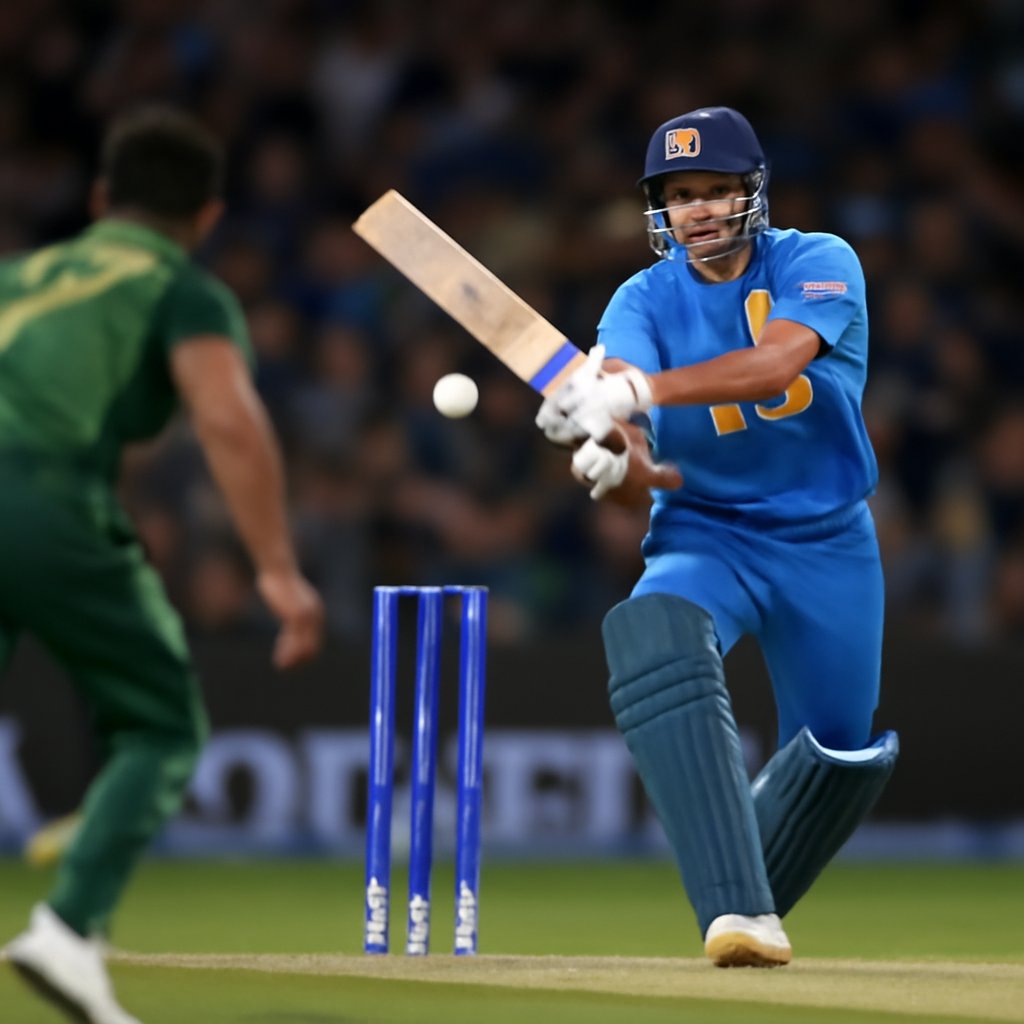
MS Dhoni’s approach to captaincy has left an indelible mark on how we think about leading in cricket, from the IPL battlegrounds to the grueling five-day Tests that define our Indian tradition of patience and resilience. Known for his ice-cool temperament and sharp tactical mind, he transformed how captains manage high-pressure situations, nurture young talent and balance aggressive strategies with calculated risks in limited-overs and longer formats alike.
In Mumbai, we grew up watching players like this emerge from the maidans, where reading the pitch and the minds of eleven teammates matters more than any textbook. Dhoni assumed the Indian captaincy in 2007 and quickly established a reputation for reading the game better than most. His approach blended intuition with data-driven decisions, a combination that proved revolutionary in both IPL and international cricket. Unlike predecessors who relied heavily on senior players, Dhoni empowered youngsters, giving them freedom to express themselves while maintaining strict accountability on the field. Having played at the state level, I understand what this requires technically—the subtle shift from trusting experience alone to building belief in raw ability under lights.
One core cricket captaincy lesson from MS Dhoni is the importance of staying composed during chaotic moments. Whether defending low totals in ODIs or managing tricky fourth-innings chases in Test cricket, he rarely showed emotion. This calm presence helped teammates focus on execution rather than outcome. He also mastered the art of bowling changes, often introducing part-timers like himself or Ravindra Jadeja at crucial stages to break partnerships, a tactic still emulated by current IPL captains. In our domestic circuit, we see echoes of this when Mumbai sides slip in a spinner against set batsmen on turning tracks, exactly the kind of calculated disruption Dhoni perfected.
Dhoni’s leadership with Chennai Super Kings stands as a masterclass in franchise cricket. He guided CSK to five titles by creating a culture of consistency and adaptability. Under his captaincy, the franchise emphasized strong team bonding, smart retentions and flexible playing XIs that could adjust to different venues and conditions across the league. The IPL demands this blend of loyalty and pragmatism, much like how Indian families balance tradition with the need to adapt to new cities.
Dhoni’s IPL record includes memorable finishes where he promoted himself in the middle order or used death bowlers creatively. Captaincy lessons from MS Dhoni in the IPL highlight the value of long-term planning over short-term results. Even during rebuilding phases, he maintained belief in core players, resulting in sustained success over 15 seasons. His ability to rotate the strike, protect tailenders and time his own big hits turned many matches in CSK’s favor. Technically, those late-order cameos required the same wristwork and placement we drilled in gully games back home.
Dhoni’s Test captaincy record reflects his growth from aggressive white-ball leader to a more patient red-ball tactician. He led India to historic wins in England and Australia, emphasizing fitness and mental resilience. In ODIs, his crowning achievement remains the 2011 World Cup triumph, where his finishing skills and field placements proved decisive. Cricket captaincy lessons from MS Dhoni stress format-specific adjustments. In Tests he focused on wearing down opponents through disciplined bowling spells and strong catching, while in ODIs he prioritized powerplay aggression and death-over variations. His use of impact substitutes and data analytics before they became mainstream gave India an edge in bilateral series and major tournaments.
MS Dhoni captained India in 332 international matches, winning 178 of them across all formats. He holds the record for most T20I wins as captain with 41 victories from 72 matches. In IPL history, Dhoni has led CSK to 5 titles and holds the highest win percentage among captains with over 100 matches. Under Dhoni, India won the 2007 T20 World Cup, 2011 ODI World Cup and 2013 Champions Trophy. Dhoni’s Test captaincy record stands at 27 wins from 60 matches, including series victories in England and Australia. He effected 123 stumpings as wicketkeeper-captain, the most by any Indian captain in international cricket. In IPL, Dhoni’s CSK reached the playoffs in 10 out of 12 seasons he captained the side. Dhoni averaged 44.6 while batting at number 5 or lower in ODIs as captain, showcasing his finishing prowess. He led India to 110 ODI wins, the second-highest for any Indian captain at the time of retirement. Across 200 IPL matches as captain, Dhoni maintained a win rate exceeding 58 percent.
The cricket captaincy lessons from MS Dhoni remain relevant for aspiring leaders in IPL franchises, Test teams and national ODI sides. His emphasis on emotional control, player empowerment and tactical flexibility created a blueprint that continues to influence the next generation. By studying his career, current captains can learn how to build winning cultures that thrive across all formats of the game while adapting to evolving challenges in modern cricket.
Sources
– ESPNcricinfo — MS Dhoni Player Profile and Career Statistics
– ICC Official Website — International Cricket Council Resources and News
– Cricbuzz — MS Dhoni Player Profile and Analysis
– BBC Sport — Cricket News and Features
– ESPNcricinfo — IPL Coverage and Captain Analysis


