
Pat Cummins Role in Test Cricket Success
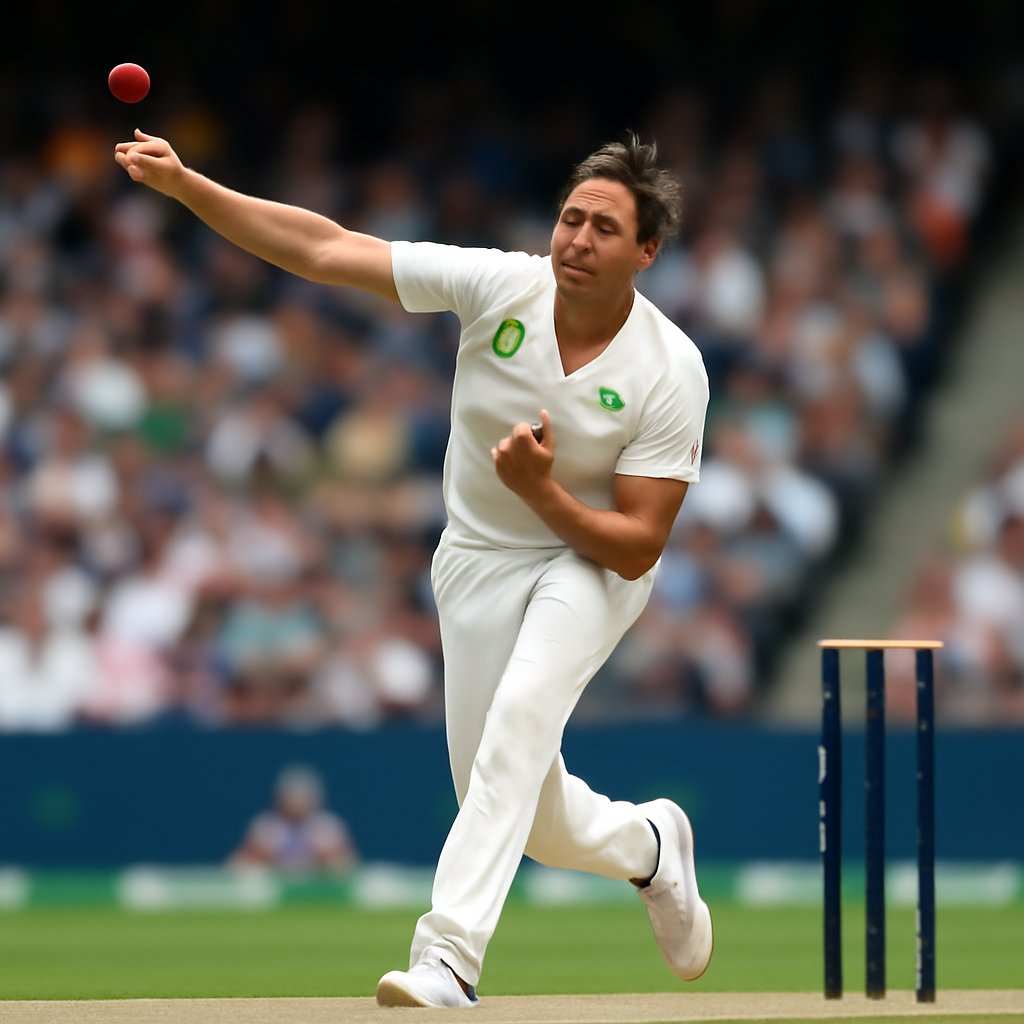
Pat Cummins has been nothing short of transformative for Australia in Test cricket, blending lethal pace with astute leadership that lifted the side to fresh peaks in the longest format. As current captain, he has carried heavy responsibility, steering the team through tough series while posting an impressive personal record with the ball. His front-foot leadership, both in taking wickets and shaping tactics, has made him one of the standout all-round contributors in modern Test cricket. Growing up in Kerala, cricket was everything, from monsoon-soaked maidans to listening to radio commentaries of overseas Tests, and it is that same deep passion that makes Cummins’ journey resonate across South Asia. The women’s game deserves as much scrutiny as the men’s, and Cummins’ emphasis on clear communication and workload management mirrors the thoughtful leadership we see emerging in sides like India’s women’s Test team under the ICC umbrella.
Cummins burst onto the Test scene as a teenage prodigy, debuting against South Africa in 2011 at just 18. His raw pace and bounce marked him as a future star, though injuries initially limited his appearances. Over the years he refined his technique, sharpening accuracy and variations that proved vital in seaming conditions across continents. This period of growth laid the foundation for later dominance, teaching him to bowl long spells and adapt to varying pitches—much like the patient, resourceful approach South Indian bowlers have long brought to domestic cricket.
Injuries forced Cummins to miss several years, yet his 2017 return revealed a more mature bowler capable of sustained excellence. He claimed multiple five-wicket hauls in home conditions against England and India, showing improved stamina and mental toughness. These experiences underlined the value of fitness regimes and workload management, skills he later instilled in teammates as captain. His resilience became a hallmark, inspiring younger players to think long-term in the demanding world of Test cricket. The comeback itself was remarkable—missing nearly three years with back injuries that threatened to derail his career entirely, Cummins worked meticulously with Cricket Australia’s medical and coaching staff to return not just fit, but genuinely transformed as a cricketer.
Cummins’ role in Test cricket success truly accelerated when he assumed the captaincy in 2021 after Tim Paine’s resignation. Under his guidance Australia adopted an aggressive yet balanced approach, blending attacking fields with disciplined plans. Cummins stressed team unity and clear communication, creating space for players like Steve Smith and Marnus Labuschagne to flourish alongside the pace attack. His decisions in the 2023 ICC World Test Championship final exemplified this, where calculated risks delivered a historic victory over India. Strategic shifts included greater use of short-pitched bowling to unsettle batters and clever deployment of spin support overseas. Cummins also championed data-driven selections, integrating analytics without losing the instinctive edge that defines great leaders. This blend produced consistent results, with Australia retaining the Ashes and climbing rankings steadily during his tenure.
What sets Cummins apart as a captain is his willingness to back players through lean patches while maintaining high standards. Unlike some leaders who rely solely on experience, he actively studies opposition batting tendencies and conditions, preparing detailed game plans before each series. His preparation extends to pre-series meetings where every bowler understands their role, whether as strike bowler, containing bowler, or death-overs specialist in red-ball cricket. This clarity reduces confusion and allows players to bowl with confidence, knowing their captain has a coherent strategy rather than reactive field placements.
Iconic displays include the 2021-22 Ashes, where Cummins took 21 wickets at an average under 20, often breaking partnerships at crucial moments. His spell at the Gabba against England set the tone for a dominant series. Overseas, he shone in the 2022-23 Border-Gavaskar Trophy, claiming vital wickets on flat Indian pitches to help secure a rare series win. These moments show how his presence lifts the entire bowling unit, encouraging others like Josh Hazlewood and Mitchell Starc to raise their standards. During that Indian tour, Cummins demonstrated remarkable skill on pitches that offered minimal assistance to fast bowlers, extracting reverse-swing and using variations intelligently—proof that world-class bowlers thrive through intelligence, not just raw pace.
Beyond personal hauls, Cummins has mentored emerging talents such as Scott Boland and Cameron Green, ensuring depth in Australia’s fast-bowling resources. His calm demeanour under pressure has turned tense situations into opportunities, directly contributing to multiple series triumphs. The way he has developed Boland, in particular, showcases his coaching acumen; recognizing a bowler’s strengths and building strategies around them rather than forcing a single template. Cameron Green’s evolution as a pace bowler has also benefited from Cummins’ guidance, demonstrating that his leadership extends beyond captaincy into genuine player development.
Cummins has taken over 250 Test wickets at an average of 22.5, with 12 five-wicket hauls highlighting his match-winning ability. As captain, he has led Australia to 12 Test wins in 25 matches, including the 2023 World Test Championship title. His best figures of 6/23 came against New Zealand, showcasing control in seaming conditions. Cummins maintains a strike rate of 45 balls per wicket in Tests, among the elite for modern pacers. He has scored over 1,000 Test runs, including a maiden century, adding all-round value. Under his leadership, Australia’s bowling attack has averaged under 25 runs per wicket in home series since 2022. These statistics place him in rare company among modern Test captains—few combine sustained individual excellence with leadership-driven team improvement at such levels.
His maiden Test century, scored against Pakistan in 2019, represented a significant milestone that underscored his all-round credentials. While Cummins may never be regarded as a batsman first, his ability to contribute valuable runs in lower-order positions has proved crucial in tight finishes. This batting capability adds another dimension to his captaincy, allowing him to make tactical decisions with complete understanding of both batting and bowling dynamics. Several of his Test wins have featured cameos from Cummins himself, either with useful runs or crucial late-innings contribution that altered match momentum.
Looking ahead, Cummins’ role will remain central as Australia defends titles and prepares for upcoming ICC cycles, with his experience proving invaluable for sustained success in Test cricket. The 2023 World Test Championship victory demonstrated that under his stewardship, Australia plays Test cricket with purpose and attacking intent while maintaining discipline. Future challenges will include managing player workload across formats, adapting to evolving pitches worldwide, and nurturing the next generation of Australian fast bowlers as senior figures like Hazlewood and Starc eventually move toward retirement.
Cummins’ role in Test cricket success continues to evolve, blending personal excellence with inspirational captaincy that has revitalised Australian cricket. His journey from injury-plagued youngster to world champion leader offers a blueprint for aspiring players, proving that dedication and adaptability are essential in the five-day game. As the sport evolves, Cummins remains a pivotal figure whose influence will shape Test cricket for years to come, driving Australia toward further glory while upholding the format’s traditions. His emphasis on understanding the game’s nuances, building team culture through trust, and investing in player development represents modern captaincy at its finest, ensuring that Australia remains competitive across all conditions and eras of Test cricket.


