
ODI Batting Average Leaders Analysis
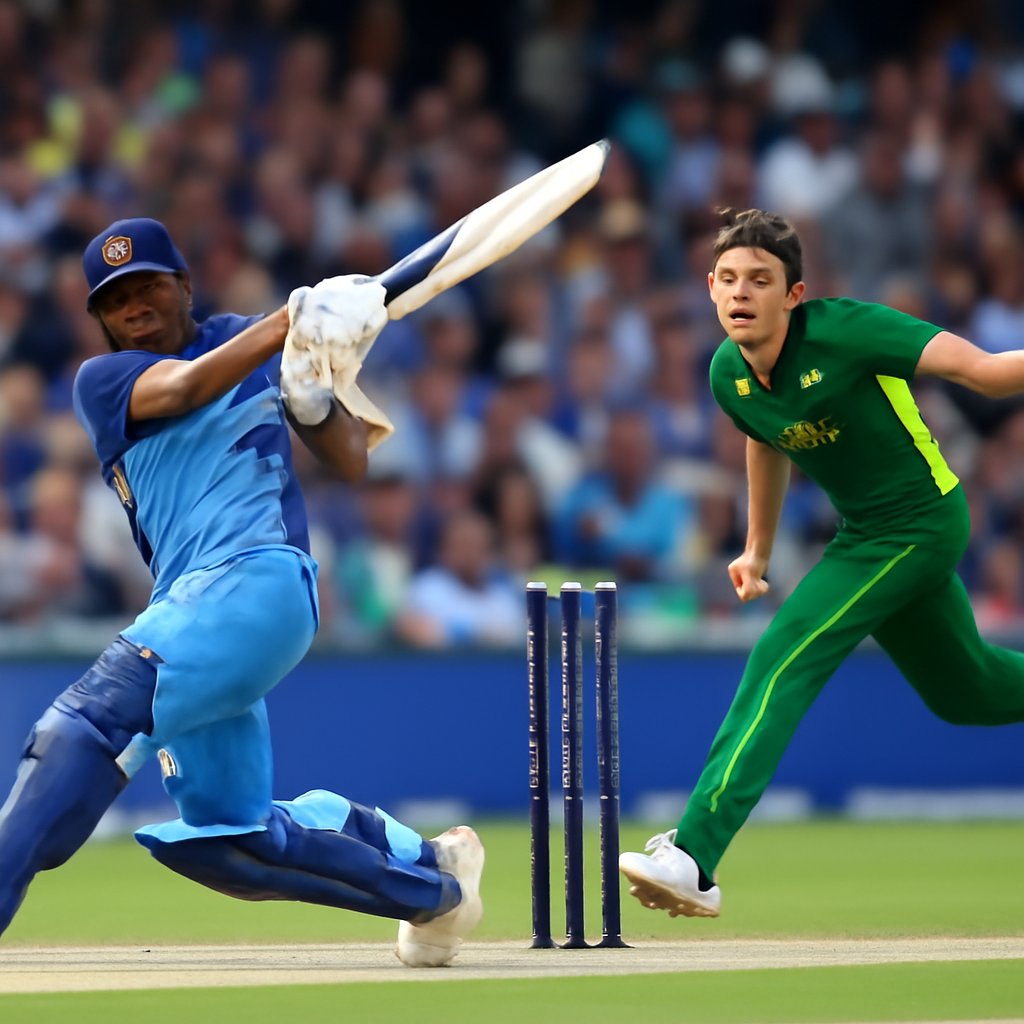
In the bustling grounds of Kerala, where monsoon rains often interrupt our backyard games and every child dreams of lifting the World Cup for India, cricket has always been more than sport—it is identity. Growing up there, we measured greatness not just by sixes but by the quiet reliability that turns a shaky start into a match-winning knock. That same spirit of measured aggression defines the ODI Batting Average Leaders Analysis, where consistency under pressure separates the good from the truly great in the 50-over game.
Batting average in One Day Internationals is calculated by dividing total runs scored by the number of times a batsman is dismissed. This metric highlights reliability across hundreds of innings, rewarding players who convert starts into substantial scores rather than flashy cameos. Qualification rules typically require a minimum of 20 or 50 innings to filter out anomalies, ensuring only proven performers feature in these discussions. The women’s game deserves as much scrutiny as the men’s when we apply the same lens—whether in the ICC Women’s Championship or bilateral series—yet it rarely receives the same depth of statistical storytelling.
Official ICC and ESPNcricinfo databases apply strict filters. A batsman must have faced at least 1,000 deliveries or completed 20 innings before entering the elite list. This prevents part-time players from distorting rankings. For context, a player averaging 45+ in ODIs over a decade-long career demonstrates exceptional skill, comparable to leading run-scorers in Test cricket but adapted to limited-overs constraints.
While Test cricket emphasizes long-form resilience and IPL rewards explosive power-hitting, ODI averages sit uniquely between these extremes. Players like Michael Bevan excelled by rotating strike and finishing innings, achieving an all-time high average of 53.58. In contrast, many IPL stars see their ODI averages dip due to the longer powerplay phases and death-over specialists. South Indian fans know this balance well; our domestic circuits from Thiruvananthapuram to Kochi have long prized the patient accumulator who can accelerate when needed.
Early ODI history featured pioneers who set benchmarks before the format evolved. Michael Bevan’s record stands tall with 6,912 runs at 53.58 across 232 matches, showcasing his genius in the middle order during the 1990s and early 2000s. Ryan ten Doeschate follows closely at 67.00 from a smaller sample, illustrating how qualification thresholds influence rankings.
Before modern power-hitting transformed the game, players such as Viv Richards and Desmond Haynes combined elegance with substance. Richards posted a career ODI average of 47.00 while captaining West Indies to multiple triumphs. These figures remain relevant when comparing eras, as pitches and field restrictions differed significantly from today’s standards.
The introduction of fielding restrictions and two new balls per innings in 2002 boosted scoring rates but also made maintaining high averages more challenging. Batsmen had to adapt to reverse swing and slower deliveries, leading to a temporary dip in overall averages before a resurgence in the 2010s driven by improved fitness and analytics.
Contemporary ODI Batting Average Leaders Analysis highlights players who combine classical technique with innovative shot-making. Babar Azam, Virat Kohli, and Shai Hope consistently feature near the top, with Kohli maintaining an average above 53 across more than 250 innings. These athletes balance IPL commitments with international duties, using franchise experience to refine their ODI approach. From the coconut palms of Kerala to the packed stadiums of Dubai, we see the same hunger in emerging women’s sides who are now chasing similar benchmarks under the ICC umbrella.
Virat Kohli’s ODI average hovers around 53.00 with over 13,000 runs, including multiple centuries against top-ranked attacks. Babar Azam’s elegant strokeplay has yielded an average near 57 in recent years, while Rassie van der Dussen’s consistency in the middle order places him among the highest-ranked active players. Emerging talents from associate nations, such as those from Nepal and Scotland, occasionally post impressive averages in limited appearances, adding depth to global rankings. All-round contributors like Shakib Al Hasan and Angelo Mathews elevate team totals while maintaining personal averages above 35. Their ability to accelerate after settling in has redefined finishing roles.
Several variables determine sustained excellence. Pitch conditions in subcontinent venues favor higher averages due to true bounce, whereas seaming tracks in England and New Zealand test technique more rigorously. Home advantage, opposition bowling attacks, and personal form streaks all play critical roles. Video analysis, data-driven shot selection, and specialized nets have helped modern players push averages higher. Nutrition and recovery protocols allow batsmen to maintain peak performance across grueling bilateral series and ICC tournaments.
Here are the key facts that anchor these conversations:
– Michael Bevan holds the record for highest ODI batting average at 53.58 with a minimum of 20 innings.
– Virat Kohli has scored more than 13,000 ODI runs while maintaining an average above 53.
– Only five players in history have averaged over 50 across 100+ ODI innings.
– Babar Azam’s average in ODIs since 2019 exceeds 56, highlighting his dominance in the modern era.
– ODI averages typically drop by 8-10 points when minimum qualification rises from 20 to 50 innings.
– Players with IPL experience often see a 3-5 point increase in their ODI averages due to exposure to varied bowling.
– Hashim Amla recorded an average of 49.46 across 181 innings, placing him among South Africa’s elite.
– Death-over specialists like MS Dhoni finished with an average of 50.57, showcasing finishing prowess.
– Associate nation players rarely sustain averages above 40 due to limited high-quality opposition exposure.
– The all-time highest average in a single calendar year belongs to Michael Bevan at 72.40 in 1999.
– ODI batting averages have risen 4 points on average since the introduction of the Decision Review System.
– Left-handers feature disproportionately in top-10 lists compared to right-handers.
The ODI Batting Average Leaders Analysis underscores how technique, adaptability, and mental fortitude combine to produce exceptional consistency in the 50-over game. As formats evolve and new talents emerge from IPL pathways and domestic structures—including the growing women’s pathways across South India—these rankings will continue to shift, offering fresh benchmarks for aspiring cricketers worldwide. Understanding these leaders provides valuable context for appreciating the nuances separating good batsmen from the truly great in One Day International cricket.
Sources
– ESPNcricinfo — ODI Statistics and Player Records
– ICC — Official Men’s Cricket Information and Rankings
– Cricbuzz — ODI Batting Averages Statistics
– BBC Sport — Cricket Coverage and Analysis
– ESPNcricinfo — ODI Career Records and Milestones


