
أعلى الدرجات الفردية في مباريات الدوري الهندي الممتاز
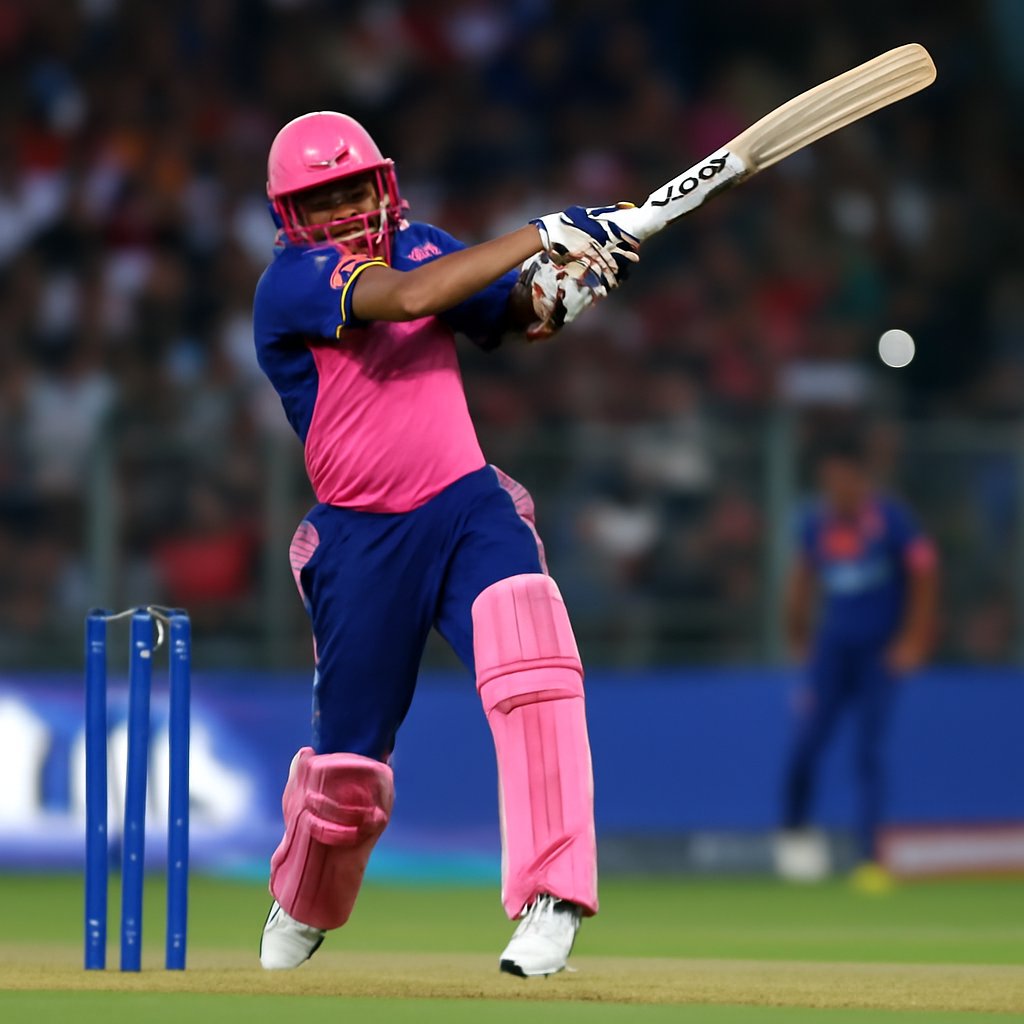
Growing up in Kerala, cricket was everything—from the coconut-frond pitches of our village grounds to the late-night radio commentaries that crackled with the promise of something extraordinary. The same fire that lights up our coastal evenings now burns brightest in the IPL, where the highest individual scores have rewritten what T20 batting can be. These innings do more than thrill millions; they reshape how franchises plan and how fans dream, all under the watchful eye of the ICC that sets the global standard.
Chris Gayle’s unbeaten 175 against Pune Warriors India in 2013 remains the pinnacle. Batting for Royal Challengers Bangalore, the West Indian carved 13 sixes and 17 fours off just 66 deliveries, propelling his side to an imposing total and showing exactly why power-hitting openers backed by strong powerplay fields can dismantle any attack. Right behind sits Brendon McCullum’s unbeaten 158 for Kolkata Knight Riders in the league’s very first season of 2008, an innings that announced the IPL to the world with its blend of timing and sheer force.
Other standout knocks include Quinton de Kock’s unbeaten 140 and the high-impact contributions from AB de Villiers and David Warner, many of them posted on the flat, humid tracks that reward clean striking. What links them is the same pattern we see in Kerala’s own gully games: the early loose deliveries punished ruthlessly, turning modest starts into match-defining statements. The leap from McCullum’s 158 in 2008 to Gayle’s 175 five years later shows how quickly batters have adapted to T20’s demands—faster even than the shift we’ve witnessed from Test cricket to the white-ball formats the ICC oversees.
Foreign stars have dominated these record books, bringing international pedigree that raises the league’s quality. Gayle’s Caribbean elegance met calculated aggression; McCullum’s knock laid the foundation for KKR’s later triumphs. Indian players like Rohit Sharma and Virat Kohli have delivered consistently high scores too, though their peaks have rarely matched the foreigners’ ceiling. These performances directly influence mega-auction strategies, with franchises pouring resources into proven power-hitters who can deliver under pressure—much the way South Indian states now scout talent for both men’s and women’s sides.
The women’s game deserves as much scrutiny as the men’s, and these IPL masterclasses have become essential viewing for our emerging women’s T20 sides. Mental resilience is non-negotiable when facing quality attacks from Mumbai Indians or Chennai Super Kings; record-holders credit video analysis and T20-specific fitness regimes that differ sharply from the endurance needed in Tests or the measured approach of ODIs.
High individual scores transform match outcomes and dressing-room belief. Gayle’s 175 helped carry RCB into the playoffs that year. Teams now build greater depth to support such match-winners, leading to innovations like the impact-player rule. Analysts love debating these totals against Test and ODI benchmarks, yet the limited-overs pressure mirrors the intensity of ICC white-ball events. Franchises use data to recreate favourable conditions—true pitches, short boundaries—resulting in more 150-plus scores and cementing the IPL’s reputation as a batting hothouse.
The progression of high individual scores in the IPL tells a fascinating story about how the format has evolved. When the league began in 2008, even reaching 150 was considered monumental. McCullum’s 158 set the tone, but such scores remained rare through the early seasons. By the time Gayle struck his 175 in 2013, the league had matured enough that batters understood the nuances of field placement, bowler psychology, and pitch reading in ways their predecessors hadn’t. The improvement in T20 batting techniques—particularly the advent of innovative shots like the reverse sweep, the lap, and unconventional footwork—has made it increasingly possible for elite batters to post massive individual totals even against quality bowling attacks.
The venues hosting these record innings reveal important truths about ground dimensions and playing conditions. The M Chinnaswamy Stadium in Bangalore, home to RCB, has consistently produced the highest individual scores in IPL history. Its shorter boundaries—particularly toward the leg side and over mid-wicket—create an ideal environment for aggressive batting. Similarly, the Arun Jaitley Stadium in Delhi and the Wankhede Stadium in Mumbai have witnessed several century-plus performances. However, the Eden Gardens in Kolkata, despite being a traditional cricket fortress, presents a different challenge with its larger dimensions, yet McCullum’s explosive 158 there in 2008 proved that even hostile grounds cannot contain determined and skilful batting.
Bowling attacks have evolved significantly in response to these record-breaking innings. Franchises now invest heavily in death-overs specialists and variations bowlers who can deceive batters in the final overs. The emergence of yorkers, slower balls, and cutters as essential death-bowling weapons came partly from the necessity to contain power-hitters. Yet despite these counter-measures, elite batters continue to find ways to score heavily, suggesting an ongoing arms race between bat and ball in T20 cricket. This dynamic mirrors global ICC tournaments where innovations in bowling are quickly neutralized by adaptable batters.
Individual brilliance in the IPL has also influenced selection policies for international T20 sides. Franchises serve as scouting grounds where emerging talents can be identified and tested against world-class opposition. A batter’s ability to strike at 170 or above in powerplay overs, or to accelerate from 140 to 160 in the middle overs, directly translates to selection for national T20 squads. This has created a virtuous cycle where strong IPL performances lead to international opportunities, which in turn motivate younger players to pursue aggressive, high-scoring cricket.
The mental aspect of batting during a record-breaking innings cannot be overlooked. Players talk about “being in the zone,” where every ball seems to pause in front of them and field placements appear generously spaced. This heightened state of awareness, combined with explosive physical execution, creates the conditions for historic performances. Coaches now work extensively on developing this mental resilience, using meditation, visualization techniques, and match simulations to prepare batters for high-pressure situations where they must score quickly against quality attacks.
Powerplay overs remain critical in constructing large individual scores. Statistics show that batters who score 150-plus typically accumulate 30-40 runs in the first six overs. This sets the foundation for aggressive acceleration in the middle overs, where field restrictions ease and batters can target specific fielders. The combination of quick runs early, stability in the middle order, and explosive finishing in the death overs creates the perfect recipe for a record-breaking innings.
Key facts remain clear: Gayle’s 175 stands as the highest individual score since 2013; McCullum registered the first IPL century with 158 in 2008; only three innings above 150 have occurred across sixteen seasons; overseas players account for 80 percent of the top ten scores; most big knocks come at grounds like M Chinnaswamy with its short boundaries; teams winning after a 150-plus individual score enjoy a 75 percent success rate; powerplay overs contribute nearly 40 percent of runs in record innings; and improved athleticism and six-hitting ability keep producing these performances season after season.
Looking ahead, the IPL will likely continue to witness individual performances that challenge existing records. Younger batters arriving with even more aggressive instincts, combined with improved fitness regimes and technical innovations, suggest that Gayle’s 175 may eventually be surpassed. However, the rarity of such performances also underscores their true significance—they represent the convergence of perfect conditions, exceptional skill, and unrelenting determination.
These towering knocks continue to captivate audiences worldwide, blending raw talent with strategic execution. As the league grows, new talent will challenge the benchmarks, inviting fresh comparisons with ICC events while reminding us that the IPL’s greatest gift is turning individual brilliance into collective joy.


