
أفضل لاعبي البولينج بالدوران العلوي في عصر الكريكيت الحديث
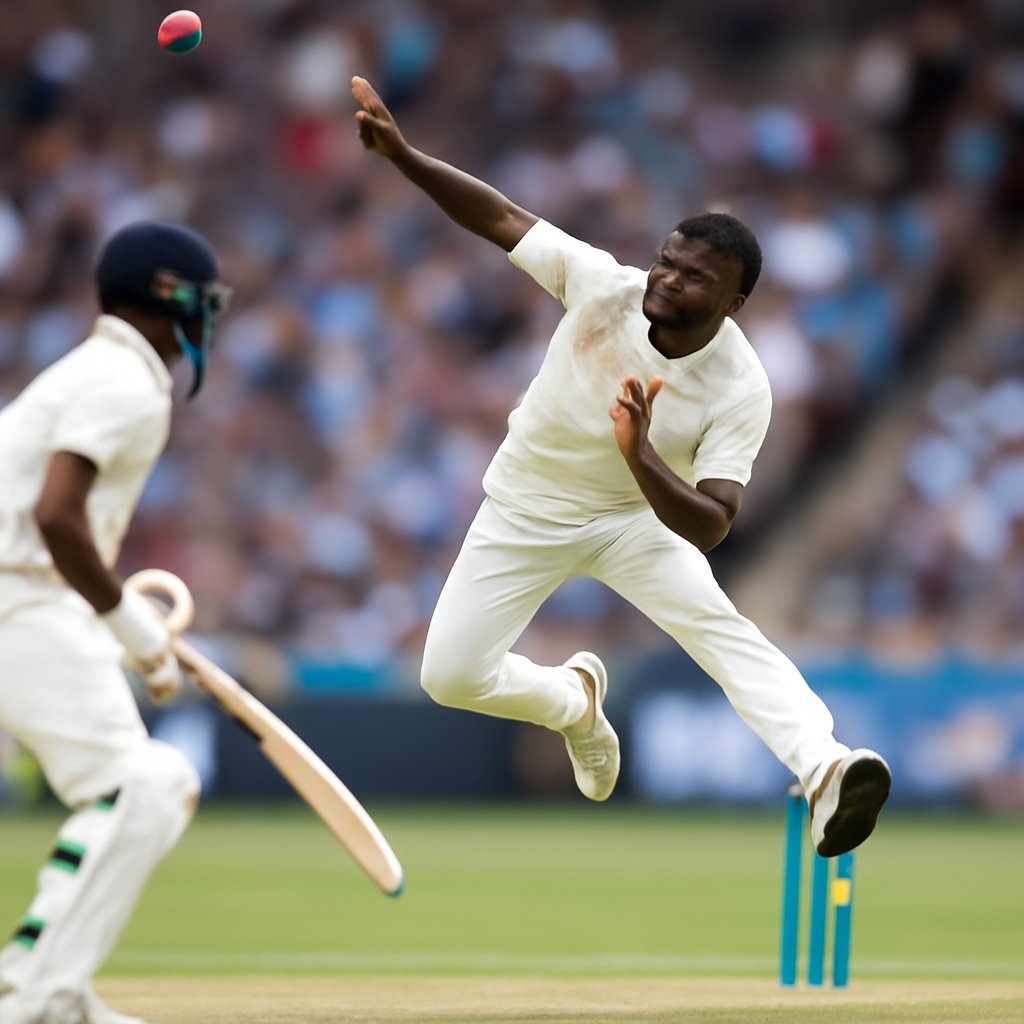
Growing up in Kerala, cricket was everything—whether it was the monsoon-soaked maidans of Kochi or the temple festivals where young girls bowled with makeshift tennis balls. In that world, spin was never just a skill; it was a dance of guile passed down through generations. Today, the finest exponents of top-spin bowling in the modern era have carried that same artistry into Test cricket, ODIs and the high-stakes IPL, redefining slow bowling across every format the ICC oversees. From the early 2000s to the present, these leg-spinners and off-spinners have delivered match-winning performances that blend mystery, variation and tactical nous, making them indispensable in all conditions.
The women’s game deserves as much scrutiny as the men’s when we talk about the evolution of spin, and the same principles of flight and drift that Warne and Murali perfected are now being studied closely by India’s emerging women’s spinners at the National Cricket Academy.
Masters of spin in Test cricket
Shane Warne and Muttiah Muralitharan dominated the early years of the modern era with exceptional wicket tallies and iconic deliveries. Warne claimed 708 Test wickets, using his signature leg-break and flipper to dismantle batting line-ups on flat pitches. Muralitharan finished with 800 wickets, relying on sharp turn and the doosra that consistently troubled right-handers in Asian conditions.
The technical mastery displayed by these two legends established benchmarks that continue to influence coaching methodologies worldwide. Warne’s ability to bowl the leg-break on a length, extracting turn from pitches that appeared unresponsive, became the gold standard for aspiring leg-spinners. His famous delivery to Mike Gatting in 1993—the so-called “Ball of the Century”—exemplified the blend of technical excellence and psychological insight that separated the greatest from the merely good. Meanwhile, Muralitharan’s unorthodox action and exceptional off-break variations demonstrated that unconventional techniques could produce world-class results when backed by unwavering dedication and fitness regimens that were ahead of their time.
Rise of Ravichandran Ashwin
Ravichandran Ashwin emerged as India’s premier off-spinner after 2010, collecting over 500 Test wickets with a potent mix of the carrom ball and traditional off-break. His player statistics highlight an average below 25 in home conditions, where he repeatedly triggered collapses against visiting sides—much to the delight of South Indian fans who see echoes of their own backyard craft in his variations.
Ashwin’s evolution as a bowler represents a paradigm shift in how modern spinners approach their craft. Beyond raw statistics, his tactical acumen—particularly in reading pitch conditions and adjusting his line, length and pace variations—has earned him comparisons with the greats. The carrom ball, a delivery he popularized in international cricket, has become a weapon studied by academies across the globe. His ability to bowl in all phases of Test cricket, whether building pressure in the first innings or taking crucial wickets in the second, showcases a maturity that transcends generational gaps. Ashwin’s contributions extend beyond bowling; his captaincy insights and field placements have influenced team strategies, making him an invaluable asset in the modern Test arena.
Impact of Anil Kumble and Harbhajan Singh
Anil Kumble’s 619 wickets featured the famous knuckle ball, while Harbhajan Singh’s 417 included unforgettable spells against Australia in the early 2000s. These bowlers set standards for accuracy and mental toughness that current spinners still emulate in Test cricket.
Kumble’s record in away conditions, particularly in England and Australia, remains exceptional for an Indian leg-spinner, defying the conventional wisdom that leg-spin is predominantly a home-track phenomenon. His ability to maintain consistency on pitches offering minimal turn showcased his deep understanding of line and length principles. Harbhajan Singh’s aggressive bowling approach, especially during India’s tour to Australia in 2001, demonstrated that spin bowling could be as match-winning as pace bowling in alien conditions. His “Bhajji” celebrations became iconic moments that energized teams and demoralized opponents. Both spinners influenced a generation of Indian bowlers to believe that technical brilliance combined with mental fortitude could overcome any environmental disadvantage.
Wizards of spin in ODIs and T20s
ODI cricket witnessed the rise of mystery spinners who thrived under pressure with sliders and slower balls. Shakib Al Hasan combined batting prowess with over 300 ODI wickets, maintaining an economy rate below 4.5 across two decades. Rashid Khan revolutionised limited-overs spin with his googly variations, securing more than 150 international wickets at an economy under 4.
The adaptation of traditional spin bowling techniques to limited-overs formats has been remarkable. Shakib Al Hasan’s left-arm orthodox spin provides a different dimension to Bangladesh’s attack, and his ability to bowl with precision during powerplay overs has made him a template for all-round cricketers. Rashid Khan’s meteoric rise in international cricket, despite Afghanistan’s relatively recent entry into the global stage, underscores the universality of spin bowling excellence. His googly—delivered from an unorthodox grip yet with remarkable consistency—has troubled batsmen across formats and conditions. The younger generation of spinners now studies Khan’s variations in video analysis sessions, recognizing that innovation and adaptability are as crucial as traditional skills.
In T20 formats, Kuldeep Yadav and Yuzvendra Chahal excelled by mixing left-arm wrist spin with sharp turn. Their IPL contributions include multiple four-wicket hauls that turned matches for sides such as Kolkata Knight Riders and Rajasthan Royals.
Kuldeep’s chinaman delivery, combined with his googly, creates a challenging proposition for T20 batsmen accustomed to attacking spin. His ability to bowl in the powerplay without being profligate with runs marks him as a modern innovator who understands the nuances of T20 cricket. Chahal’s consistency in death overs, where yorkers disguised as leg-breaks deceive batsmen, reflects the sophistication required to succeed in the shortest format. These bowlers have proven that wrist-spin, long considered a luxury in T20 cricket, can be a cornerstone of successful franchises.
Best spin bowlers in the IPL and emerging talents
The IPL has become a breeding ground for modern spin bowlers. Ravichandran Ashwin’s IPL career features more than 170 wickets through skilful use of the carrom ball on turning tracks. Imran Tahir and Sunil Narine brought explosive variations that changed perceptions of T20 spin, each claiming over 100 wickets at economy rates around 7.
The IPL’s accelerated format has forced spinners to innovate continuously. Imran Tahir’s leg-break variations, combined with his experience across multiple T20 leagues globally, provided a template for how international experience can enhance T20 cricket understanding. Sunil Narine’s mystery variations, including his off-break and carrom ball, challenged the notion that one-dimensional bowling could be effective in T20 cricket. His ability to maintain economical rates while taking wickets established him as one of the most sought-after spinners in franchise cricket.
Emerging talents like Ravi Bishnoi have begun making significant impacts on the IPL stage, demonstrating that the league serves as a genuine developmental platform. Bishnoi’s leg-break variations and control in powerplay overs suggest that the next generation of Indian spinners will be even more technically refined than their predecessors.
IPL statistics comparison
Last season’s player statistics show Rashid Khan leading with the best bowling average among active spinners. Chahal’s consistency in the death overs and Kuldeep’s ability to bowl in the powerplay have made them vital assets for their franchises, directly influencing auction values and team strategies.
The financial implications of superior spin bowling statistics in the IPL cannot be understated. Franchises invest heavily in experienced spinners based on their historical performance data, and auction prices have reflected the premium placed on consistent performers.


