
نجاح فريق مومباي إنديانز في الدوري الهندي الممتاز – العوامل الرئيسية
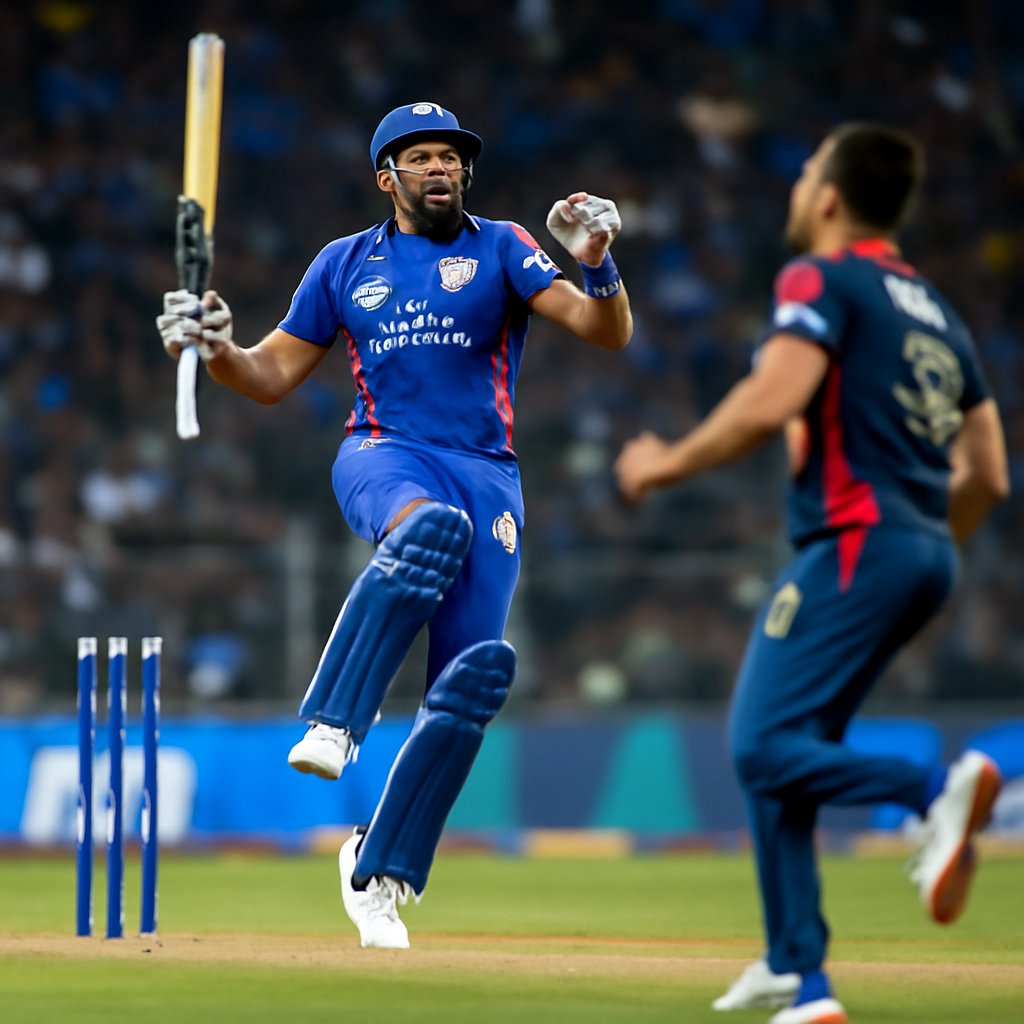
Mumbai Indians’ journey in the IPL stands out as one of consistent excellence since the league began, built on smart ownership, sharp recruitment, and a tactical approach that blends the grind of Indian domestic cricket with the demands of T20. Having played at state level in Mumbai, I know how much technical discipline and mental steadiness it takes to keep delivering across formats, and MI have turned that into five titles.
The Ambani family’s long-term vision and the steady hand of CEO Mahesh Bobat have given the side the kind of continuity rarely seen in the IPL. Instead of chasing quick fixes every auction, they have backed coaches and players to build combinations season after season. That stability helped Rohit Sharma move smoothly from captaining India in Tests and ODIs into the high-pressure environment of IPL nights. The franchise also leans heavily on data and sports science, the same tools that help players stay fresh whether they are playing a five-day Test or flying across time zones for ODIs.
In Mumbai we grew up watching seniors guide youngsters at Shivaji Park and Cross Maidan, and MI have formalised that same culture. Rohit’s calm reading of situations, honed through years leading India across formats, has produced those match-winning calls when the game sits on a knife-edge in the middle overs.
Their auction work is equally precise. They have repeatedly identified value picks while retaining core players like Jasprit Bumrah and Suryakumar Yadav, whose explosive T20 batting sits on top of solid ODI experience. The mix of seasoned campaigners and raw talent from local circuits creates a side that can adjust to any IPL pitch. Players such as Hardik Pandya came through the Mumbai domestic system and became genuine all-round assets, showing the same resilience that serves India in all three formats. Retaining four or five key names each year has kept the learning curve short and allowed tactical tweaks that opponents struggle to match.
Coaches like Mahela Jayawardene and the earlier stint with Ricky Ponting brought international perspectives that sharpened death bowling and powerplay batting. Bumrah’s yorkers, refined through hours of video work, have become a signature weapon. The support staff combine video analysis with mental conditioning so players maintain standards whether they are in the IPL or returning from a long Test series.
The Mumbai Indians’ infrastructure extends far beyond the playing XI. The franchise has invested substantially in their academy system, particularly in Mumbai where they identify young talent early and nurture them through structured development programs. This approach ensures a steady pipeline of homegrown players who understand the franchise’s philosophy and culture. Many of these academy graduates have gone on to represent India at various levels, creating a symbiotic relationship between domestic cricket development and international success.
One of the most significant factors in MI’s sustained performance has been their ability to manage high-profile international players effectively. The franchise understands the balance between deploying big names in crucial moments and rotating players to prevent fatigue, especially considering the overlapping schedules of international cricket and the IPL. This careful management has allowed overseas stars like Tim David, Ishan Kishan, and Kieron Pollard to maintain peak fitness while contributing meaningfully to the team’s cause.
The franchise’s approach to building a balanced squad is methodical and data-driven. Rather than overspending on marquee overseas players in auctions, Mumbai Indians have often invested in underrated domestic talent who have proven their mettle at state level or through consistent IPL performances. This strategy has allowed them to maintain financial flexibility and invest in multiple areas of strength—explosive opening batting, consistent middle-order accumulation, all-round depth, and death bowling—which are the four pillars of any successful T20 side.
Rohit Sharma’s captaincy record at Mumbai Indians speaks volumes about his leadership acumen. Since taking over the captaincy in 2013, he has led the team to four IPL titles and maintained a win percentage consistently above 55 percent, which is remarkable given the unpredictable nature of T20 cricket. His ability to back players during lean phases, to promote younger talent when they show promise, and to make bold strategic decisions in critical moments has been instrumental in building a winning culture that transcends individual seasons.
The bowling unit’s evolution at Mumbai Indians also deserves special mention. From relying on overseas fast bowlers in the early years, the franchise has developed a formidable roster of Indian pacers who can execute at death overs and adapt to different ground conditions. Jasprit Bumrah’s dominance with economy rates consistently under eight runs per over has set new standards for death bowling efficiency. The development of bowlers like Mukesh Cummins and the consistent contributions of players like Jason Behrendorff have ensured that MI rarely struggles for bowling options.
Mumbai Indians’ success at the Wankhede Stadium has been a significant home advantage. The franchise has maintained an impressive record at home, with victories coming through a combination of understanding local pitch conditions and the energy provided by their passionate home crowd. The Wankhede pitch, with its characteristics favoring spinners in the middle overs and pacers at death, has been mastered by MI’s coaching staff and players, who practice extensively at the venue before each season.
The franchise’s retention strategy has evolved smartly over the years. Rather than retaining aging players out of loyalty, MI has consistently made bold decisions to release underperforming veterans and invest in emerging talent. This pragmatic approach, combined with their willingness to spend aggressively on players who fit specific requirements, has kept the squad fresh and competitive. The balance between continuity and renewal is perhaps the most underrated aspect of their success.
Off-field professionalism and organizational excellence have also played crucial roles. The Mumbai Indians management structure is built to support player welfare, ensure smooth logistics during the tournament, and maintain high standards of training and conditioning. This professional approach extends to sponsorships and brand partnerships that align with the team’s values, creating a coherent organizational identity that attracts quality personnel and retains experienced staff members year after year.
The results speak for themselves: titles in 2013, 2015, 2017, 2019 and 2020. Rohit has led four of those, crossing 5,000 IPL runs while carrying India’s Test and ODI legacy. Bumrah holds the record for most wickets for the franchise with economy rates regularly under eight. Kieron Pollard’s 10,000-plus runs and 100-plus wickets show how overseas experience can be fused with the Indian core. The side’s win rate above 55 percent across seasons reflects the continuity that comes from smart retentions.
Looking ahead, Mumbai Indians continue to refine their approach while maintaining the core principles that have driven their success. The franchise understands that T20 cricket is evolving rapidly, with new batting techniques, unconventional bowling strategies, and tactical innovations emerging each season. Their commitment to staying ahead of these trends through data analytics, talent scouting, and coaching innovation suggests that their dominance in the IPL is likely to continue.
At its heart, Mumbai Indians’ success rests on leadership that plans for the long haul, auction strategies that respect both value and pedigree, and coaching that adapts Test and ODI lessons to T20. That combination continues to set the benchmark in the IPL and serves as a template for sustainable excellence in franchise cricket.


