
MS Dhoni دروس القيادة من مسيرة لعبة الكريكت
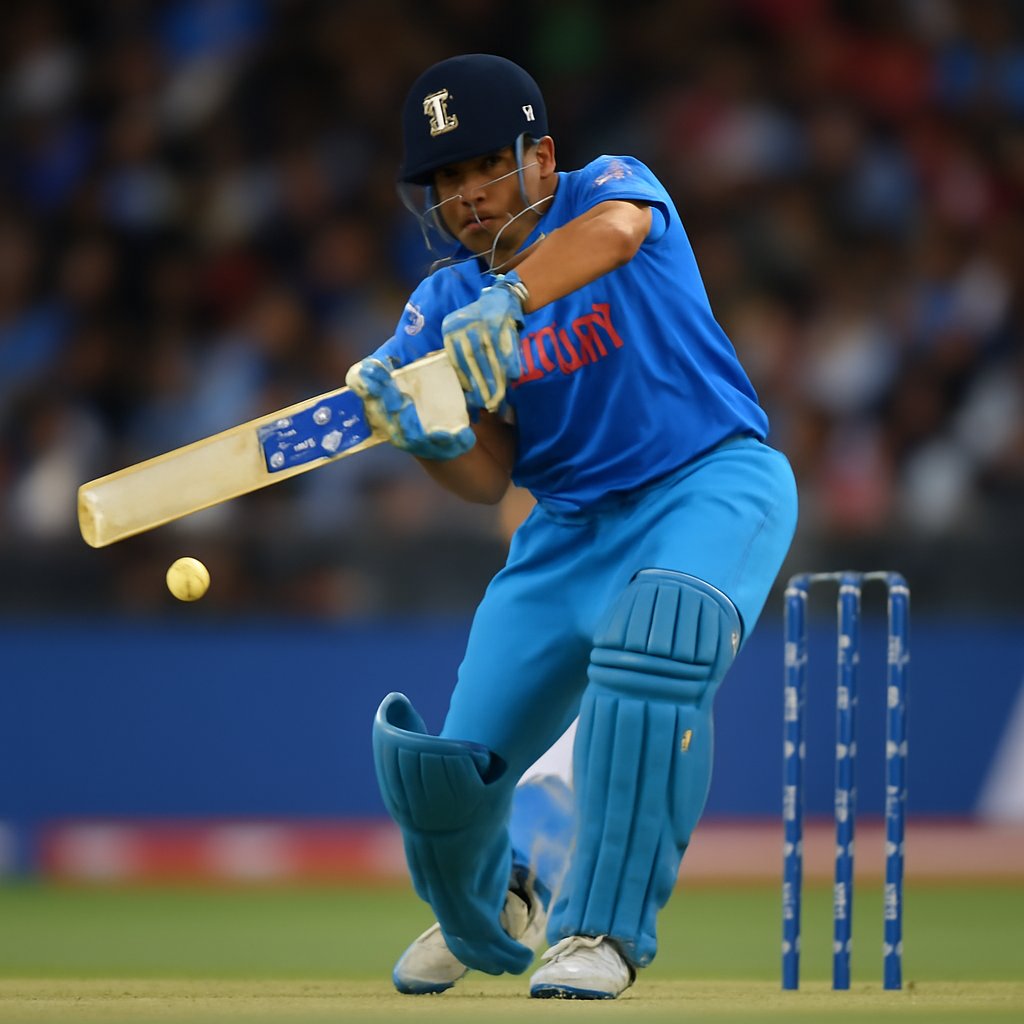
MS Dhoni’s journey from a small-town wicketkeeper to one of India’s most successful captains carries lessons that resonate far beyond the boundary rope. Having played at the state level myself, I understand what it takes to read the game under pressure, and Dhoni’s calm authority always stood out. His rise from the dusty grounds of Jharkhand to lifting major trophies showed a rare mix of instinctive decision-making, strategic patience and the ability to get the best out of those around him.
In the early years, Dhoni’s raw finishing ability in limited-overs cricket quickly marked him as more than just a keeper-batsman. His ODI debut against Bangladesh in 2004 gave him his first taste of international scrutiny, and he used those experiences to sharpen his reading of situations. By 2007 he was handed the ODI captaincy, becoming the youngest to lead India in the format at the time. Rather than trying to control every detail, he placed trust in his players—an approach many of us in Mumbai grew up seeing in the way local stalwarts handled club and Ranji sides.
That trust produced iconic moments in both ODIs and Tests. The 2011 World Cup triumph on home soil remains etched in memory, with Dhoni often walking in to finish chases with the same ice-cool temperament he displayed in the IPL. In Tests he led in 60 matches, securing series wins in England and Australia—rare achievements that Indian sides had chased for decades. His willingness to use spin heavily on turning tracks became a hallmark, something every domestic captain in India still studies.
High-stakes calls defined his tenure. Promoting himself to number three in the 2008 CB Series final showed how he sensed momentum shifts, a skill honed through countless matches in domestic cricket. The same clarity appeared in the IPL with Chennai Super Kings. Turning CSK into a five-time champion, including back-to-back titles in 2010 and 2011, required balancing aggression with patience—the exact balance needed in T20 cricket. Retaining core players like Suresh Raina and Ravindra Jadeja while nurturing younger talent reflected a deep understanding of squad dynamics.
One of Dhoni’s most underrated leadership qualities was his ability to identify match situations and pivot his game plan accordingly. During the 2011 World Cup final against Sri Lanka, his team faced early batting collapses that could have rattled any captain. Instead, Dhoni’s steady batting in the middle order and his composed field placements under extreme pressure showcased tactical flexibility. He understood that leadership wasn’t about rigid predetermined strategies but rather about reading conditions and opposition strengths in real-time. This adaptive approach meant his teams rarely found themselves outthought tactically, even when facing stronger opponents on paper.
His philosophy on delegation set him apart from many contemporary captains. Rather than centralizing all tactical decisions, Dhoni empowered his senior players and bowlers. He gave Anil Kumble freedom with field placements during Test series, trusted Ravichandran Ashwin’s bowling changes in crucial moments, and allowed Yuvraj Singh independence in middle-order acceleration. This trust extended to newer players as well—he backed Virat Kohli from the moment the young batsman entered the team, instilling confidence that would later transform Kohli into a global superstar. By distributing leadership responsibilities, Dhoni created a culture where players felt ownership of outcomes rather than merely executing orders.
Having watched the IPL grow from its earliest seasons, I can say Dhoni’s man-management stood apart. He rarely criticised players in public, preferring quiet conversations that motivated without breaking confidence. His keeping stats—more than 300 international dismissals—fed directly into his captaincy, giving him an unmatched awareness of what was happening on the field. In CSK’s era his teams posted a win rate above 60 percent in playoff stages across more than 200 IPL matches, underlining consistent leadership.
The financial and resource constraints that CSK sometimes faced in the IPL actually highlighted Dhoni’s strategic acumen. He often had to work with limited budgets compared to teams like Mumbai Indians or Delhi Capitals, yet consistently delivered winning performances. This forced innovation in talent evaluation—scouting lesser-known players from domestic circuits and transforming them into franchise superstars. Dwayne Bravo, before his death, became a death-overs specialist under Dhoni’s guidance. Deepak Chahar evolved from a moderate pacer to a match-winner. These examples demonstrate how Dhoni’s leadership extended into player development and performance optimization.
His relationship with the cricket board and administrators also shaped his captaincy philosophy. Unlike some captains who clashed with selection committees, Dhoni worked collaboratively with selectors while maintaining strong opinions about team composition. He understood the political dimensions of cricket management and navigated them without compromising his core principles. This diplomatic skill meant he retained credibility across different eras of Indian cricket administration, a rarity for any long-serving captain.
The statistical narrative of Dhoni’s captaincy tells a compelling story: his Test record of 27 wins from 60 matches included victories in all three major Test nations—Australia, England, and the West Indies. His ODI captaincy record showed remarkable consistency with 110 wins from 199 matches. In T20 Internationals, he maintained a 100 percent World Cup success rate with tournament wins in both 2007 and 2009. These numbers weren’t merely statistical accomplishments but reflected a captain who delivered in the most important moments consistently.
Dhoni’s “cool captain” persona allowed calculated risks—backing spinners on slow pitches in the 2013 Champions Trophy final, for instance. Those moments offer a template for handling pressure that still influences how captains approach modern cricket across formats. The blend of emotional intelligence, sharp statistical awareness and bold calls remains a blueprint for building winning sides, whether in the IPL, Test cricket or anywhere the game is played with real intensity.
Perhaps most significantly, Dhoni’s legacy extends beyond his own era. Young captains entering international cricket today still reference his decision-making frameworks and man-management approaches. His understanding that captaincy is fundamentally about maximizing collective potential rather than individual brilliance has influenced an entire generation of cricket leaders. The lessons from his career—about patience, trust, calculated risk-taking, and emotional control—remain timeless leadership principles applicable far beyond the cricket field itself.


