
أعلى مجموع فريق في مباريات اختبار الكريكيت
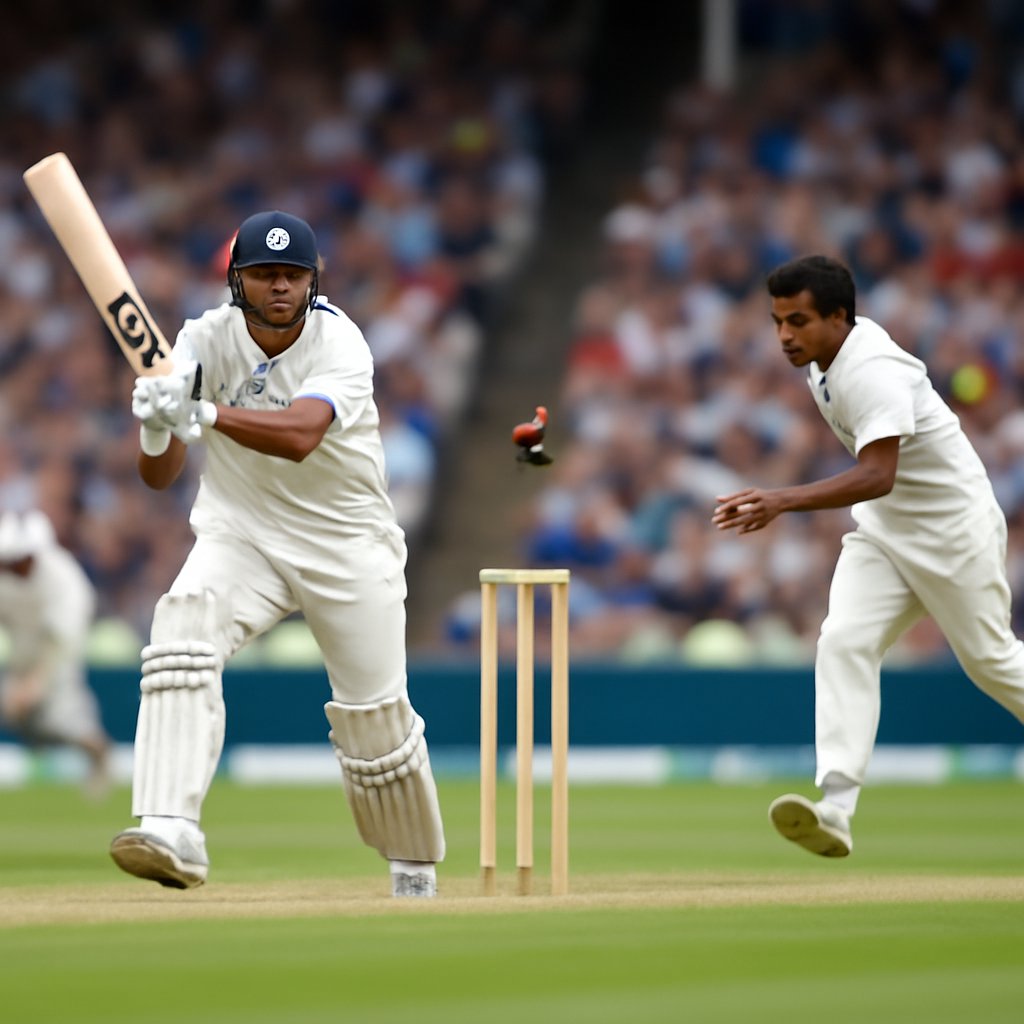
In the world of Test cricket, those towering team totals stand as monuments to patience, skill, and sheer dominance at the crease. They don’t just mark eras in the longest format; they tell stories of marathon knocks on pitches that favoured the bat, from the colonial-era uncovered surfaces to today’s flat, modern decks. Growing up in Mumbai, we learned early that building such scores requires more than talent—it demands the kind of mental stamina you only truly grasp after spending days at the crease in state cricket.
Sri Lanka’s 952 for six declared against India at Colombo in August 1997 remains the highest. That innings stretched across two full days, built on centuries from several batsmen including Sanath Jayasuriya and Roshan Mahanama, both of whom converted to double hundreds. The match ended in a draw, yet the total has stood untouched for over twenty-five years, a testament to the unique conditions at the R Premadasa Stadium that allowed runs to pile up. Having played at the state level, I understand what this requires technically: a surface that turns slowly but offers little bounce or seam movement, paired with an Indian attack that was simply exhausted after bowling for so long. Jayasuriya’s 340 in that innings remains one of the great individual Test knocks, and Arjuna Ranatunga’s decision to declare only after the lead was insurmountable showed classic Sri Lankan composure under pressure.
The conditions on that Colombo pitch were almost perfect for batting. The Sri Lankan preparation team had ensured a surface with minimal grass cover, which meant the ball wouldn’t seam or swing unpredictably. This allowed batsmen to play with confidence and build partnerships without constantly worrying about surprise variations. The Indian bowlers, having to work in such unforgiving conditions, had bowled long spells already, and their ability to extract any wickets had diminished significantly. This is a lesson in modern Test cricket preparation—groundsmen and captains alike understand that surface preparation can dramatically influence the outcome of a Test match.
England’s 903 for seven declared against Australia at The Oval in 1938 sits second on the list. Len Hutton’s legendary 364, then the highest individual Test score, anchored it alongside contributions from Maurice Leyland and Joe Hardstaff. This was Ashes cricket before the war, played on uncovered pitches that offered bowlers almost nothing. The innings took more than twelve hours, a display of old-fashioned resilience that modern players rarely get to experience. The fact that Hutton accumulated such a massive score against a quality bowling attack, including Don Bradman in a supporting role, speaks volumes about his technical excellence and mental fortitude.
In Mumbai, we grew up watching players who could bat for days like this, and you see echoes of that patience even now when Indian batsmen adapt their IPL-honed aggression to the longer game. Australia’s 735 for six against Zimbabwe in Perth in 2003, powered by Ricky Ponting among others, and Pakistan’s 765 for six declared against Sri Lanka in Karachi in 2009 both underline how subcontinental and Australian conditions can produce these feasts when the weather and preparation align perfectly.
What makes achieving these massive totals so challenging is the consistency required across multiple batsmen. In Sri Lanka’s 952, several players contributed substantial scores, which meant the opposition couldn’t rely on breaking through and dismissing a key batsman to shift momentum. This distribution of runs makes it nearly impossible for a bowling attack to recover, as they face fresh, confident batsmen every time someone departs. Modern cricket strategists analyze these patterns carefully when planning their approach to Test cricket, understanding that containing multiple strong batsmen simultaneously is infinitely harder than focusing on one or two key wickets.
India’s own 759 for seven against England in Chennai in 2016, with Cheteshwar Pujara and Virat Kohli prominent, marked a modern milestone. It showed how the depth of Indian batting has evolved, even as exposure to IPL cricket has introduced quicker scoring rates into Test innings. Flat, dry surfaces with minimal seam movement remain the common thread—allowing openers to lay platforms so middle-order players can accelerate without panic. Captains still time their declarations for maximum psychological effect, just as they did decades ago.
The West Indies have also produced several massive team totals throughout their illustrious Test history. Their batting lineups, particularly during the 1970s and 1980s, were known for assembling formidable scores powered by batsmen like Viv Richards, Brian Lara, and others who understood both patience and aggression. Lara himself holds the record for the highest individual Test score with 400 not out, achieved against England in 2004, which demonstrates the capability of Test cricket to produce extraordinary individual performances that contribute to these team totals.
Weather conditions play an underestimated role in allowing teams to post these massive scores. Overcast skies that would normally favor bowlers become irrelevant if the pitch itself offers no assistance. Conversely, clear sunny days on flat pitches create ideal batting conditions where the ball doesn’t move through the air or off the surface. Teams that win the toss and bat first on these pitches have a significant advantage, as they can accumulate runs without the threat of deteriorating conditions. This is why coin toss decisions have historically been so crucial in Test cricket—understanding the pitch and weather forecast can determine whether a captain bats or bowls first.
The preparation of bowlers for facing such marathon batting displays is equally important. Modern bowling rotations and the use of tactical bowling changes are designed to maintain effectiveness across multiple days. However, when facing a disciplined opposition batting order on a flat pitch, even the best bowling attacks can be rendered ineffective. This teaches us that sometimes Test cricket is simply about superior batting depth overwhelming any bowling strategy.
Modern athletes benefit from superior fitness and technique compared with earlier generations, yet the core demand stays the same: the ability to concentrate for long periods. The rise of T20 leagues like the IPL has sharpened power-hitting, and that occasionally translates into explosive phases even within these epic Test totals. Players like Virat Kohli have shown how aggression can be married with technical soundness in Test cricket, enabling them to contribute to both quick runs and long innings depending on the match situation. No side has yet crossed 1,000 in a single innings, though several have come agonisingly close.
The psychological dimension of batting through these marathon innings cannot be overlooked. Batsmen must manage fatigue, maintain concentration despite repeating bowling patterns, and resist the temptation to play aggressive shots when the situation demands patience. This mental resilience separates great Test batsmen from good ones, and it’s a quality that transcends generations and formats.
These records continue to spark debate among purists and casual fans alike. Whether it is Sri Lanka’s iconic 952 or England’s historic 903, each entry adds to the rich legacy of Test cricket and inspires the next generation to chase new landmarks in the five-day game. These totals represent not just runs scored, but a complete mastery of the longest format—a format that continues to reward patience, skill, and the capacity to build something truly monumental over the course of days at the crease.


