
أنجح القادة في تاريخ بطولة الدوري الهندي الممتاز
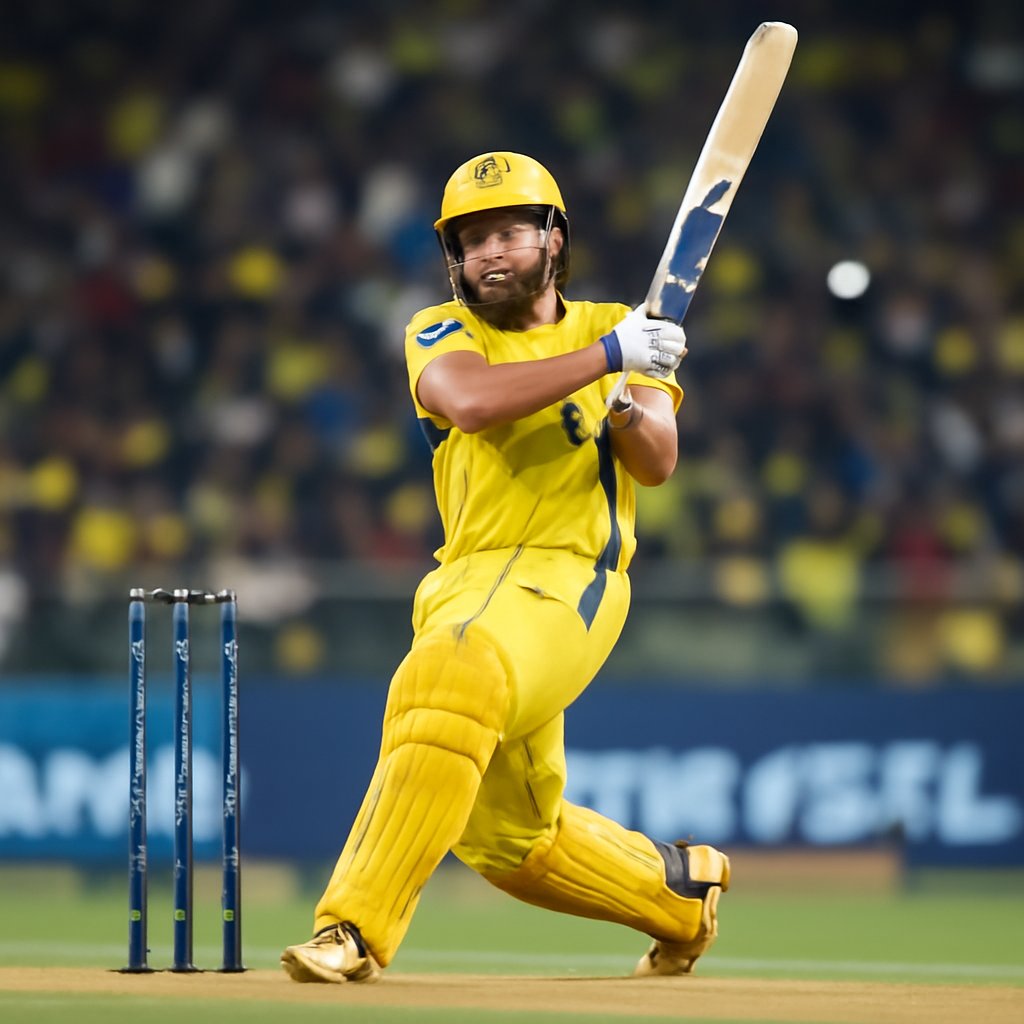
In the IPL, we’ve seen captains who truly master both the tactical chess of limited-overs cricket and the art of lifting a dressing room under lights. MS Dhoni’s calm presence and Rohit Sharma’s measured aggression have each delivered five titles, shaping how young sides from Chennai to Mumbai approach the T20 grind that blends street-smart IPL thinking with lessons from Test cricket and one-day internationals.
Dhoni sits at the top with those five CSK trophies. Having played at the state level, I understand what this requires technically—his ability to read a chase down to the last over, rotate the strike without panic, and keep a bowling unit sharp when the ball is reversing is something we saw him perfect in international cricket. That same patience, learned in longer formats, lets him turn games around when CSK look dead and buried. His captaincy style emphasizes backing players through rough patches, creating an environment where young cricketers develop confidence without fear of immediate removal from the XI. This philosophy has allowed Chennai Super Kings to maintain squad stability and foster loyalty in ways few other franchises achieve.
Rohit matches him with five titles for Mumbai Indians. In Mumbai, we grew up watching players like this—level-headed yet ruthless with the bat order. He squeezes every run from explosive openers while keeping a varied attack ticking, never letting star power disrupt the collective. His record shows how the best IPL skippers balance individual brilliance with the kind of unit cohesion that survives an entire season. Rohit’s captaincy reflects his own batting approach—methodical in building momentum, aggressive when the moment demands it. His tenure at Mumbai Indians has been marked by consistent playoff appearances and the ability to win under pressure, traits that define championship-winning sides.
Beyond those two, Shane Warne’s lone 2008 triumph with Rajasthan Royals remains special. It proved that smart changes to the bowling plan and belief in a lower-budget squad could topple bigger spends right from the first season. Warne’s leadership that year showcased unconventional thinking—playing Yusuf Pathan as a middle-order powerhouse, backing young talent like Ravichandran Ashwin, and setting fields that frustrated opposition batsmen. The 2008 triumph wasn’t just about winning a trophy; it fundamentally changed how franchises approach auction strategies and proved that tactical brilliance could overcome financial constraints.
Gautam Gambhir brought two titles to Kolkata Knight Riders with an aggressive top-order mindset that still influences how teams set up their powerplay today. His captaincy style was characterized by bold decision-making and backing young Indian talent like Sunil Narine and Piyush Chawla. Gambhir’s back-to-back titles in 2012 and 2014 demonstrated the importance of maintaining core squad strength while intelligently updating the squad around established stars. His approach to batting first and setting large totals became a trademark of KKR’s playing philosophy.
Win percentage tells its own story beyond silverware. Dhoni’s mark stays above 60 percent across more than 200 games, built on handling collapses and defending totals with the same composure he showed in ODIs. Rohit’s sits around 58 percent, backed by those five wins and repeated final appearances. Virat Kohli posted strong numbers with Royal Challengers Bangalore even without matching the trophy count, showing what individual steel can achieve in high-pressure chases. Kohli’s captaincy demonstrated consistency in regular season performance, with RCB regularly finishing in the top four before playoff exits—a pattern that highlights how winning tournaments requires different elements than accumulating wins across the league phase.
The real craft lies in auction planning and in-game calls. Dhoni’s focus on death specialists and middle-order anchors has become a template copied across franchises. His identification of players like Dwayne Bravo and Ravindra Jadeja for specific match situations has proven transformative for Chennai’s success. Rohit leaned on explosive openers and middle-over spin options to dominate phases of play. The strategic deployment of spinners in the middle overs, combined with death bowling firepower, created a balanced attack that could restrict scoring while maintaining the ability to bowl out opposition sides.
Captains like Ricky Ponting raised fielding standards through drills that became league-wide practice. Ponting’s Delhi Daredevils teams were known for their athletic fielding and sharp catching, principles that influenced how franchises now invest in fielding coaches. The Delhi teams under Ponting set benchmarks for fitness levels and ground coverage that elevated the overall quality of IPL cricket. Rule tweaks such as the impact player have only increased the demand for quick adaptation and in-game flexibility.
Leadership during challenging phases separates great captains from good ones. Dhoni’s ability to remain calm during losing streaks, maintaining team morale while implementing tactical adjustments, has been crucial to CSK’s longevity. Rohit’s handling of off-field pressures and injuries within Mumbai Indian squads demonstrates the mental fortitude required at the highest levels. These captains understand that T20 cricket can shift dramatically in a single over, requiring both strategic preparation and psychological resilience from leaders and players alike.
The transition of successful captaincy styles matters significantly in modern cricket. Young captains like Rishabh Pant at Delhi Capitals have attempted to blend aggressive intent with traditional Indian cricket values, building on lessons learned from watching champions like Dhoni and Rohit. Similarly, Hardik Pandya’s leadership at Gujarat Titans drew heavily from tactical frameworks established by previous champions while introducing his own aggressive approach to powerplay batting and death bowling.
Key numbers worth noting include Dhoni and Rohit sharing the record of five IPL titles each. Warne guided Rajasthan to that inaugural win with a strike rate above 55 percent that season. Gambhir led KKR to consecutive triumphs in 2012 and 2014. Kohli holds one of the stronger sustained win percentages across more than 100 games. Elite captains average around 140 matches in charge, with the top ones exceeding 200 across different teams. Dhoni’s late-over bowling plans account for over 40 percent of CSK’s close victories. Mumbai under Rohit converted five of six final appearances into wins. Techniques drawn from longer formats helped captains stay composed in playoff pressure. One-day experience sharpened field placements and batting orders for many. The top five skippers together account for more than 15 titles since 2008. Sustained success shows win rates between 55 and 65 percent over five or more seasons. Smart player retention created core groups that delivered lasting results.
The impact of captain-coach partnerships cannot be understated. Dhoni’s relationship with coaches like Stephen Fleming created a cohesive vision for CSK that prioritized stability and long-term player development. Similarly, the partnerships between Rohit and Mumbai’s coaching staff enabled the franchise to adapt to changing circumstances while maintaining core principles. These relationships demonstrate that successful IPL franchises function as unified organizations where captain and coach work toward shared objectives.
These legacies continue to guide how new talent learns leadership in the IPL. The mix of fresh T20 ideas with the discipline of traditional cricket and international 50-over lessons keeps the competition evolving, setting the bar for every future title chase. As the league expands and new franchises enter the competition, the blueprints established by Dhoni, Rohit, and other champions provide templates for building sustainable success in one of the world’s most competitive cricket leagues.


