
تحليل مباريات الكريكيت الدولية ذات الأوفر الواحد المتأثرة بالأمطار
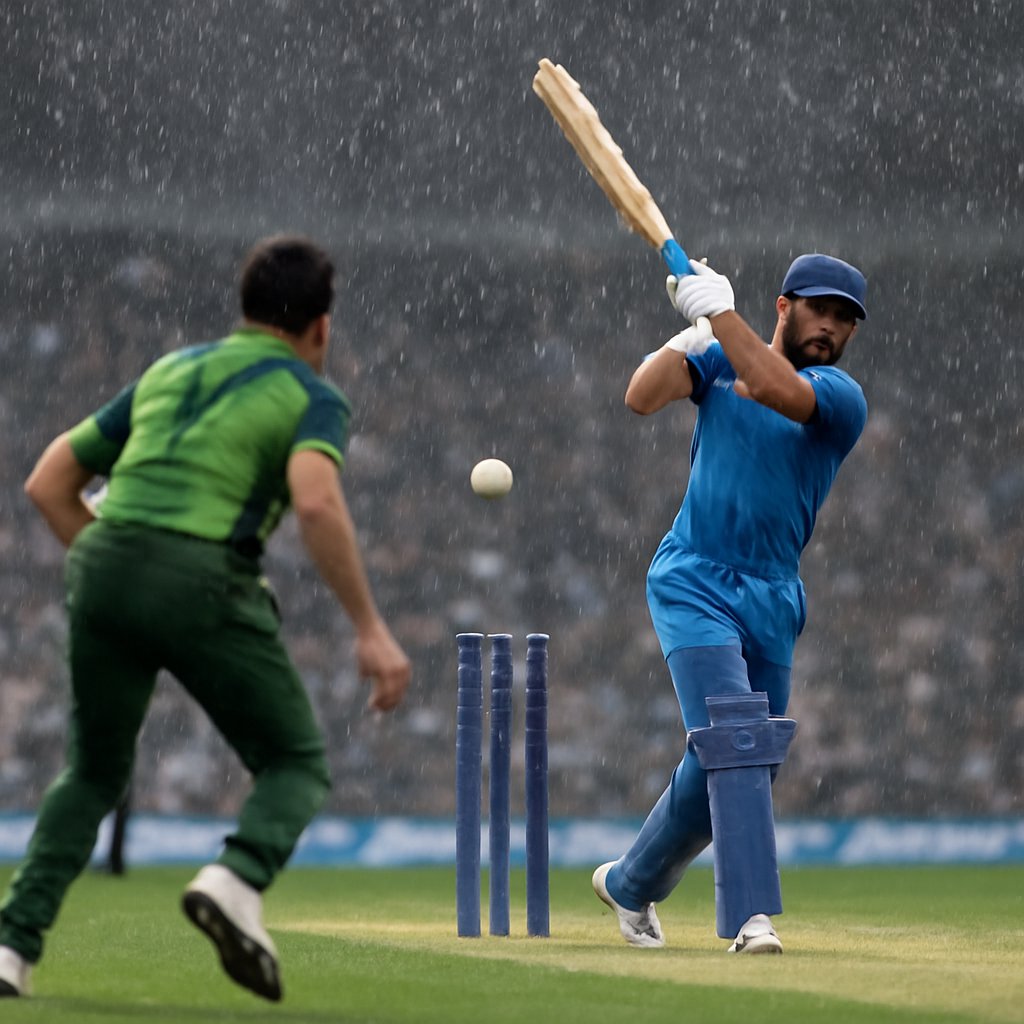
Growing up in Kerala, where the monsoon rains could turn a simple game of cricket in the paddy fields into a test of patience and improvisation, I learned early that weather doesn’t just interrupt play—it rewrites the script entirely. That same drama plays out on the grandest stages in international ODI cricket, where rain-affected matches have long challenged players, teams and the very integrity of results. These interruptions test not only resilience but also the fairness mechanisms that the ICC has refined over decades, ensuring outcomes remain competitive even when overs are lost.
The evolution of rain rules in one-day internationals stretches back to the format’s beginnings in the 1970s. Early contests often relied on arbitrary adjustments like reduced overs or run-rate calculations, sometimes producing contentious results that skewed individual statistics and team records. The introduction of the Duckworth-Lewis method in 1999 marked a turning point, supplying a mathematical framework that accounts for resources lost. Refined later into the Duckworth-Lewis-Stern system, it recalculates targets based on remaining overs and wickets, preserving balance in weather-disrupted ICC events and bilateral series alike.
Before standardized protocols, many rain-affected ODIs ended without a result or with disputed victories that distorted historical batting averages in shortened chases. The 1992 World Cup exposed these flaws during the rain-marred semifinal between South Africa and England, prompting global adoption of better systems. Today these rules integrate seamlessly into both men’s and women’s ODIs as well as domestic leagues like the IPL. Analysts now deploy advanced metrics to evaluate performances under adjusted targets, revealing patterns in successful chases that the women’s game deserves as much scrutiny as the men’s to fully appreciate.
In such matches, sides must pivot strategies swiftly, shifting from aggressive batting to calculated risks once a DLS par score is set. Bowlers gain edges in shorter games where death overs become decisive, while batters prioritize strike rotation to protect wickets. Player statistics in these scenarios show striking variations; all-rounders often excel with balanced contributions across curtailed overs, boosting their overall ODI numbers. Teams like India and Australia have incorporated specialized drills simulating actual rain-affected conditions to sharpen decision-making under pressure.
One telling example came in the 2019 World Cup clash between India and Pakistan, where showers shortened proceedings and altered expected player contributions. Virat Kohli’s measured innings under the revised target illustrated how rain-affected ODIs reward composure. Comparable recalibrations occur in Test and IPL fixtures, yet ODIs remain especially sensitive due to their limited-overs nature. Recent bilateral data indicates teams winning the toss in rain-affected ODIs elect to bowl first 65 percent of the time, exploiting fresher surfaces after delays to restrict opponents and enhance bowling figures.
Comprehensive reviews of rain-affected ODIs since 2000 reveal that roughly 12 percent of all international day matches have been impacted by weather. DLS-adjusted games show a 48 percent win rate for chasing sides compared with 52 percent in completed fixtures. Batting averages drop by about eight runs in these contests owing to pressure from revised targets, while opening strike rates rise as players accelerate. In the IPL, monsoon disruptions similarly influence net run rates and qualification landmarks.
Legendary performers such as Sachin Tendulkar and MS Dhoni thrived in these conditions, with Dhoni posting one of the highest success rates in DLS chases. Contemporary stars like Babar Azam display enhanced returns in weather-affected setups through precise shot selection. Data across formats suggests ODI specialists frequently outperform Test players in rain scenarios because of their adaptability to powerplay constraints. Fantasy enthusiasts and statisticians track these nuances closely, noting how such matches can propel underdogs and reshape seasonal leaderboards.
Key facts underscore the scale: rain-affected ODIs account for around 15 percent of all World Cup matches historically, with DLS delivering decisive results in over 90 percent of cases. Defending sides win 55 percent of the time when the par score exceeds 250, highlighting bowling depth. Since the Stern revision in 2014, no-result percentages in international one-day cricket have fallen below 2 percent. IPL trends mirror ODI patterns, with rain interruptions during league stages altering qualification math. Top batters post strike rates 12 percent higher in the final 10 overs of rain-affected ODIs than in uninterrupted games. Australia leads with 28 victories in DLS-adjusted ODIs, followed closely by India with 24, influencing global player rankings.
In the end, these weather-disrupted contests continue to layer excitement and complexity onto the ODI format, demanding ongoing innovation in ICC rules, tactics and performance analysis. Understanding these dynamics gives fans a richer appreciation of how individual statistics and team triumphs emerge amid adversity. As climate patterns shift and technology advances, managing rain-affected matches will remain central to safeguarding the fairness and thrill of the game across global tournaments and leagues.
Sources
- ESPNcricinfo – Comprehensive cricket statistics, match analysis, and international cricket news
- ICC Official Website – International Cricket Council official records and regulations
- Cricbuzz – Live cricket scores, analysis, and match commentary
- ESPNcricinfo Cricket Rules – Format guidelines and regulations for international matches


