
أفضل لاعبي الكريكيت الشاملين في التاريخ الإحصائيات
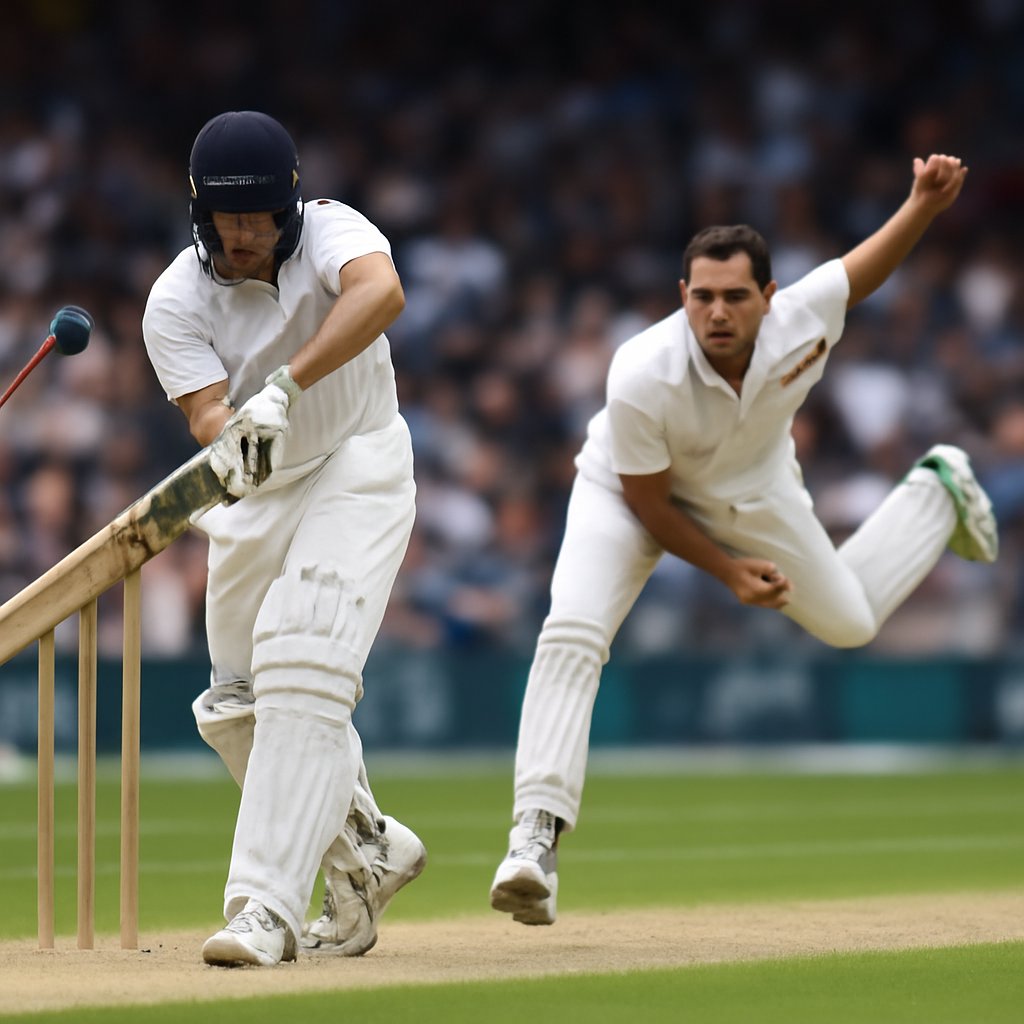
Growing up in Kerala, cricket was everything—sticky monsoon afternoons spent bowling inswingers on red laterite soil, dreaming of lifting the World Cup the way Kapil Dev once did for India. That same spirit of versatility runs through the very best all-rounders in cricket history, those rare athletes who blend bat, ball and field with equal grace across formats. The women’s game deserves as much scrutiny as the men’s, and the ICC has long tracked how these complete cricketers shape not just Test marathons but also the high-stakes drama of ODIs and the IPL.
Test cricket remains the ultimate examination of endurance. Jacques Kallis sits at the summit with 13,289 runs and 292 wickets in 166 Tests, a benchmark of consistency few have matched over two decades. Imran Khan’s leadership carried Pakistan to the 1992 World Cup while he collected 3,807 Test runs and 362 wickets; his aggressive seam and attacking strokeplay turned Pakistan into a force in the 1980s. Kapil Dev still holds the record for most Test wickets by an Indian all-rounder—434—alongside 5,248 runs. His match-winning spell against Zimbabwe in the 1983 World Cup showed how all-round contributions can rewrite cricket history in both the longest and limited-overs forms.
What defines a true all-rounder extends beyond mere statistics. The ability to contribute meaningfully with both bat and ball in the same match, to shift the momentum of play, and to absorb pressure in critical moments separates the elite from the merely competent. Consider Garfield Sobers, widely regarded as cricket’s greatest all-rounder, who amassed 8,032 Test runs at an average of 57.78 while taking 235 wickets at 34.03. His left-arm pace bowling, orthodox spin, and dynamic batting made him invaluable across every situation. Similarly, Wilfred Rhodes, the English legend who played from 1899 to 1930, demonstrated longevity rarely seen today—he played 58 Tests over three decades, scoring 2,325 runs and claiming 127 wickets with his left-arm spin.
In the shorter white-ball arena and the IPL, the demands shift toward explosive impact. Yuvraj Singh etched himself into memory with six sixes in an over during the 2007 T20 World Cup, finishing with more than 8,700 ODI runs and 111 wickets. In the IPL, Ravindra Jadeja and Hardik Pandya have married power-hitting with economical bowling, altering matches for franchises across the subcontinent. Shane Watson emerged as one of the competition’s standout all-rounders, amassing 3,874 runs and 92 wickets while powering sides such as Rajasthan Royals and Chennai Super Kings. Watson’s ability to provide quick runs in the powerplay while maintaining economical bowling spells made him invaluable across multiple franchises, earning several IPL titles and auction records.
The evolution of all-rounder roles has accelerated dramatically in Twenty20 cricket. Modern franchises now seek players who can bowl a restrictive death over, hit boundaries in the powerplay, and field athletically in critical positions. Dwayne Bravo transformed into one of the IPL’s most lethal death bowlers while maintaining his batting credentials; Chris Morris carved out a niche as a death-overs specialist with both bat and ball; and Rashid Khan revolutionized the all-rounder archetype by combining wrist-spin excellence with explosive hitting to become cricket’s highest-paid player in franchise circles. These examples show how the definition of all-round excellence continues to evolve with each format.
Women’s all-rounders have similarly left indelible marks on cricket history, though their statistics often receive less mainstream coverage. Ellyse Perry of Australia exemplifies modern excellence, combining over 3,500 Test runs with more than 80 Test wickets while maintaining central roles in ODI and T20I cricket. Deandra Dottin of the West Indies brings explosive batting power to her fast bowling, while Sophie Devine of New Zealand has redefined the all-rounder role in women’s cricket through consistent performances across formats. These athletes deserve recognition alongside their male counterparts, as they maintain similarly demanding standards of excellence.
Contemporary names continue to raise the bar. Ben Stokes has posted more than 5,000 Test runs and 100 wickets while shining in IPL auctions and major tournaments. His ability to take charge in critical moments—exemplified by his 135 not out in the 2019 Cricket World Cup final and his devastating bowling in pressure situations—marks him as a generational talent. Stokes’s commitment to Test cricket at a time when many players prioritize lucrative franchise opportunities demonstrates an old-school dedication to all-round excellence. Statistical benchmarks show the true greats maintain batting averages above 40 paired with bowling averages below 30—a rare combination achieved by only a handful across eras.
Emerging talents such as Cameron Green and Shardul Thakur are already balancing contributions in Tests and the IPL, hinting they may soon join the pantheon. Green, the Australian prospect, brings the athleticism and versatility needed for modern cricket, regularly hitting sixes while bowling at pace with consistent control. Thakur has become India’s trusted death-overs bowler in white-ball cricket while contributing valuable runs in the middle order, embodying the dual-threat nature now essential at international level.
The statistical analysis of all-rounders reveals telling patterns about their value. Players who average 40+ with the bat while maintaining sub-30 bowling averages represent elite company—Kallis achieved this over his entire career, as did Sobers. However, the modern expectation often differs; many contemporary all-rounders sacrifice batting average for bowling impact, understanding that economical bowling in crucial phases can be more valuable than accumulating runs at a moderate average. This represents a philosophical shift in how teams evaluate all-round contributions, particularly in limited-overs formats where economy rates often trump individual scoring.
Mentorship pathways have proven crucial in developing all-rounders. Young players benefit enormously from guidance from established names—Hardik Pandya’s evolution was shaped by observing senior Indian seamers, while Ben Stokes’s development benefited from the county cricket ecosystem that produced other quality all-rounders. Investment in domestic cricket structures that reward all-round excellence, rather than specialization, will determine whether future generations can match the achievements of Kallis, Khan, and Dev.
Key numbers underscore the scale of these achievements: Kallis leads with 23,985 international runs and 577 wickets across formats; Imran’s Test bowling average of 22.81 remains among the elite; Kapil Dev’s 5,000-run and 400-wicket Test double is matched by precious few; Jadeja has taken more than 150 IPL wickets while scoring over 2,500 runs; Shahid Afridi’s ODI ledger reads 8,064 runs and 351 wickets; Sobers collected over 28,000 international runs across all formats with 428 wickets; only twelve players in history have reached 10,000 runs and 200 wickets at international level. Stokes’s combined batting and bowling averages keep him among the finest modern contributors, while his consistency in back-to-back performances demonstrates reliability in high-pressure scenarios.
These figures remind us that genuine all-round excellence lifts teams in every format the ICC oversees. As fresh talent arrives from every corner of the cricketing world—including the thriving women’s circuit in South India and emerging markets across Asia and Africa—the legacy of these icons ensures that the complete cricketer stays at the heart of the game’s evolving story. The future of cricket, increasingly shaped by franchise leagues and bilateral series played across multiple formats, will continue to demand players who excel with both bat and ball, adapting their skills to whatever challenge their team requires.


