
Evergreen Ipl Player Stats To Track
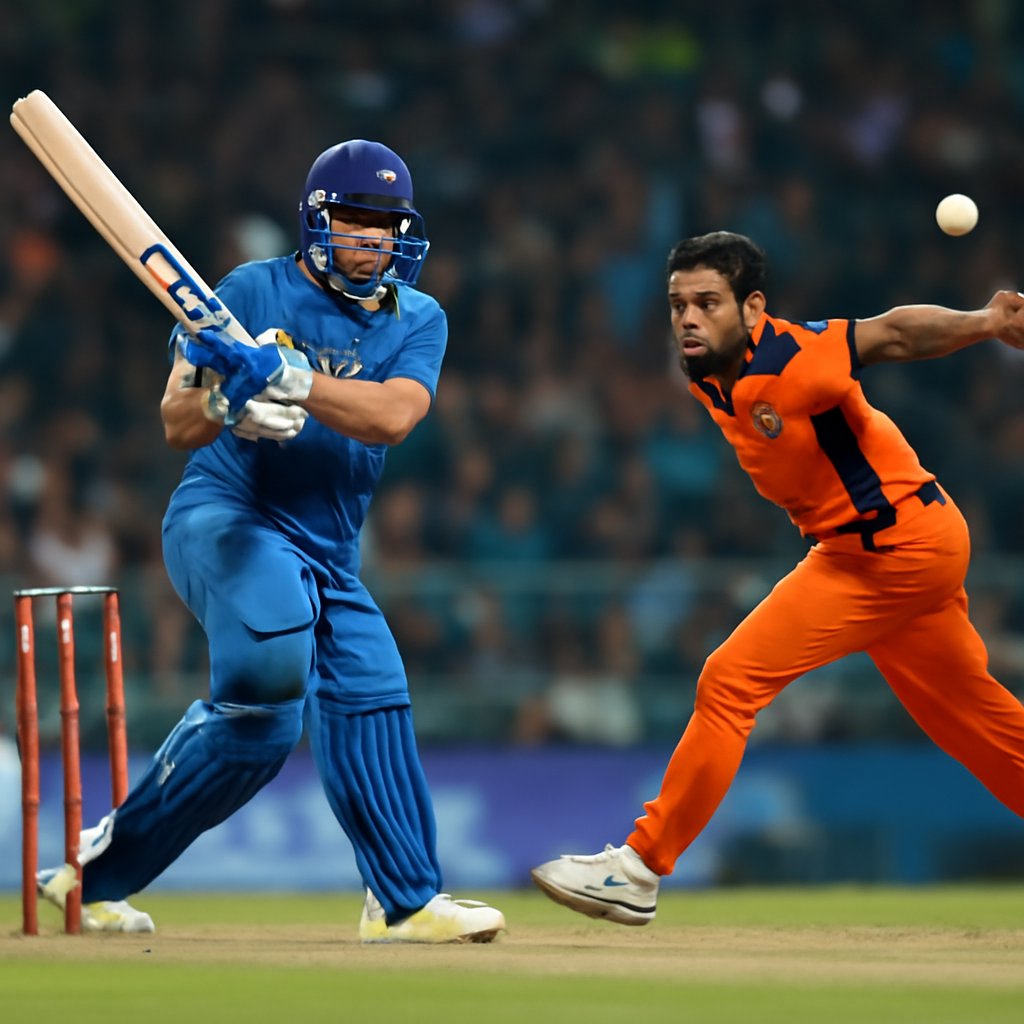
تتبع إحصائيات أفضل لاعبي الكريكيت في دوري البريميرشيب الهندي (IPL) والتي تظهر أداءهم المستمر عبر السنوات. هؤلاء اللاعبون قد أثبتوا أنفسهم كنجوم موثوقين في البطولة.
Growing up in Kerala, cricket was everything—whether it was the gentle thwack of a tennis ball on red laterite soil or the roar of a packed Eden Gardens on TV. Those roots make me appreciate the numbers that truly endure in the IPL, the ones that speak to consistency across seasons rather than fleeting form. The women’s game deserves as much scrutiny as the men’s, and the same evergreen metrics that define reliability in the men’s tournament are now shaping how we watch the Women’s Premier League and ICC events too.
These timeless IPL statistics blend the high-stakes T20 environment with lessons drawn from Test cricket and ODIs, giving fans a fuller picture of players who thrive across conditions. Batting average remains one of those enduring measures because it reveals a batter’s ability to turn starts into substantial contributions year after year. Players like Virat Kohli have maintained averages above 35 across more than a decade in the IPL, mirroring the reliability he shows in Test cricket where his average sits comfortably above 50. Strike rate adds the crucial layer of scoring speed demanded by the shortest format, with elite T20 rates often exceeding 140 while still borrowing the boundary-hitting craft honed in ODIs.
Total runs accumulated in IPL history highlight stamina, as seen with Rohit Sharma surpassing 5,000 runs through calculated aggression refined in the ODI arena. Consistency markers such as the number of fifties help identify performers who deliver under pressure, bridging the gap between domestic leagues and international duties. These figures prove invaluable for fantasy teams and scouts evaluating moves.
On the bowling side, economy rate stands out among the statistics worth tracking, reflecting a bowler’s control in restricting runs during powerplay and death overs alike. Jasprit Bumrah’s economy below 8 across IPL seasons echoes the precision he brings to Test cricket, where he keeps averages low by varying pace effectively. Wicket tallies combined with strike rate spotlight match-winning potential, allowing comparisons with limited-overs specialists who excel in set-over scenarios.
Dot-ball percentage adds further depth, rewarding bowlers who build pressure without conceding boundaries. Historical data shows spinners like Ravichandran Ashwin thriving here, drawing on IPL experience alongside the guile they display on turning Test tracks.
All-round contributions and fielding metrics round out the evaluation, mixing batting and bowling numbers to assess versatility—an essential quality for IPL sides needing flexible line-ups. Players transitioning from Test cricket often bring strong averages that bolster team totals while claiming key wickets. Fielding measures such as catches per innings and run-outs executed complete the portrait, with agile fielders turning games much as they do in ODIs.
Cross-format experience influences these lasting numbers, particularly the ability to adapt to varied pitches. Metrics like powerplay economy and death-over strike rates gain extra value from international exposure in high-stakes chases.
When examining batting consistency, it’s essential to track not just total runs but the frequency of match-winning performances. Players who score fifties regularly demonstrate mental toughness and situational awareness that translates across formats. Suresh Raina, for instance, compiled over 5,500 IPL runs with 39 fifties across his career, showcasing a player who repeatedly delivered clutch innings when his team needed him most. This pattern of delivering substantial contributions in crucial moments separates truly evergreen performers from those who have occasional good seasons.
The relationship between powerplay aggression and overall season performance reveals another fascinating dynamic in IPL statistics. Teams that dominate powerplay phases often secure better batting positions for the middle order, yet this requires specialist batsmen who can score at rates above 150 while maintaining control. Similarly, bowlers who excel during powerplay restrictions—allowing fewer than 6.5 runs per over—establish pressure that carries through the entire innings. This interconnected nature of IPL statistics means understanding single metrics in isolation misses the broader strategic picture.
Recent seasons have highlighted the emergence of younger players who blend contemporary batting techniques with the fundamental principles that made veterans successful. Players entering the IPL with strong domestic records often struggle initially because they haven’t yet mastered the fine margins between aggressive intent and reckless shot selection. Tracking debut seasons and subsequent improvement trajectories helps identify future stars destined for long careers rather than flash-in-the-pan performers.
Venue-specific statistics add another layer of complexity worth monitoring. Certain grounds favor pace bowling while others suit spinners, and elite batsmen adapt their approach accordingly. The Wankhede Stadium in Mumbai, for example, typically produces faster pitches requiring different batting strategies than the slower surface at the Arun Jaitley Stadium in Delhi. Players with consistently high averages across multiple venues demonstrate superior adaptability compared to those who excel only in familiar conditions.
The impact of franchise loyalty on statistical trends deserves consideration as well. MS Dhoni’s entire IPL career with Chennai Super Kings allowed him to build comprehensive records at a single ground, understanding pitch nuances intimately over seasons. By contrast, players traded frequently face constant adjustment periods. Examining when players change franchises and how their statistics respond provides insights into their franchise-building value and adaptability under new coaching systems.
Weather conditions and seasonal variations significantly influence IPL statistics that casual observers often overlook. Night matches played under artificial lights affect fielding precision and batsman visibility, potentially impacting run rates and fielding efficiency. Tracking performance splits between day and night games, early-season versus late-season form, and conditions during rain-affected matches offers deeper understanding of player reliability across varied circumstances.
Key facts and figures include Virat Kohli holding the record for most runs in IPL history with more than 6,500 at an average above 36 across more than 200 matches; MS Dhoni’s death-over strike rate consistently exceeding 160, informed by his ODI captaincy experience; Ravindra Jadeja claiming over 100 IPL wickets while scoring more than 2,000 runs, showcasing rare all-round balance; economy rates below 7.5 remaining an elite benchmark achieved by only a handful of bowlers across 15 IPL seasons; players with Test backgrounds posting 10 percent higher consistency scores on IPL pitches; dot-ball percentages above 45 percent strongly correlating with title-winning sides; strike rates above 150 in powerplay phases powering multiple Orange Cap winners; and top teams executing 15 percent more run-outs than league averages through superior fielding efficiency.
Fantasy cricket platforms have revolutionized how casual fans engage with IPL statistics, making detailed performance metrics accessible to everyone. Understanding which statistical categories carry greatest point values helps identify undervalued players who consistently deliver. Players with high dot-ball percentages and economy rates often provide better value in bowling selections than pure wicket-takers who struggle with restraint, while batsmen posting consistent fifties offer reliability that flashy centuries cannot guarantee.
Ultimately these enduring IPL statistics allow deeper appreciation of the league’s growth while connecting performances to the wider cricket landscape of Tests, ODIs and the expanding women’s game under the ICC umbrella. By focusing on these lasting measures, fans and analysts alike can spot future stars and celebrate consistent excellence season after season.


