
تحليل أسلوب ريشاب بانت الهجومي في الضرب
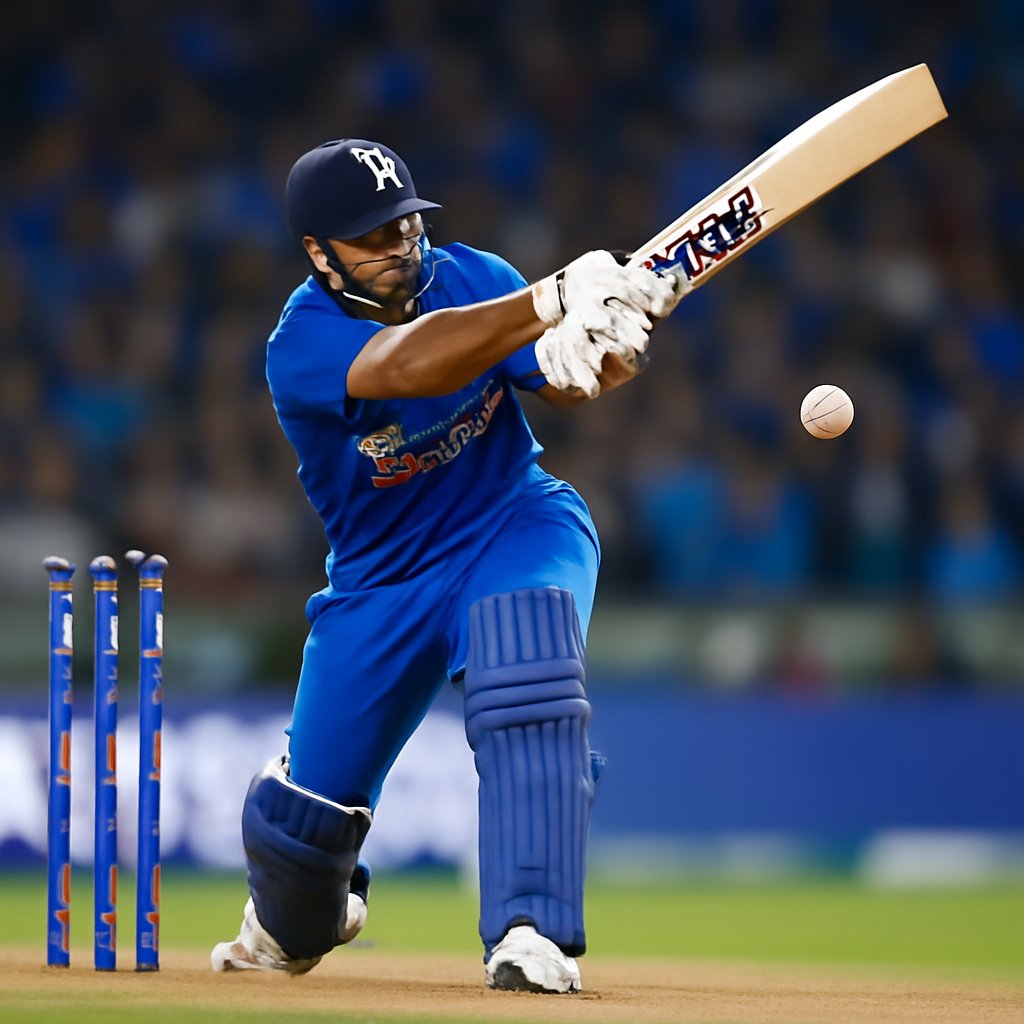
Rishabh Pant’s aggressive batting has become one of the most compelling sights in Indian cricket today, blending raw power, inventive stroke-making and fearless intent across the IPL, Test cricket and limited-overs internationals. It doesn’t just excite crowds; it quietly questions the old orthodoxies of how a keeper-batter should play, especially when Delhi Capitals need momentum in the middle overs or India find themselves in a high-pressure chase.
Having played at the state level myself, I recognise what his bottom-hand grip demands technically. That strong, low hold lets him manufacture extraordinary leverage on the leg side, turning even well-directed deliveries into scoring opportunities. In Mumbai we grew up watching players like this—aggressive from ball one—and Pant has taken that instinct to another level since his IPL breakthrough with Delhi Capitals in 2016. Over the years he has refined it, learning to read different surfaces at Wankhede and Eden Gardens while still keeping that attacking core intact.
In recent IPL seasons his approach has directly influenced match outcomes. Those quick half-centuries against pace attacks shift the momentum so often that the opposition captain is forced to keep changing fields, creating gaps for the rest of the batting order. His strike rate regularly crosses 150 in the death overs, built on precise ramps and inside-out lofted drives. Having faced similar situations at state level, I can tell you sustaining that tempo while reading lengths on the move is no small skill.
The technical foundation of Pant’s batting lies in his exceptional range of footwork. Unlike traditional batsmen who rely heavily on staying still at the crease, Pant is constantly in motion, using both forward and backward movement to generate scoring opportunities. His ability to dance down the pitch against spinners, especially in home conditions, has become a defining characteristic. This footwork allows him to shorten the length of deliveries and convert defensive bowling into attacking possibilities. Against pace bowlers, his trigger movement—a slight shift across the stumps—gives him the freedom to play both sides of the wicket without committing fully until the last moment. This versatility makes him exceptionally difficult to bowl to, as bowlers cannot establish a clear line of attack.
His shot-making repertoire extends far beyond conventional strokes. The ramp shot, which was once considered risky and unconventional, has become a cornerstone of his attacking methodology. Whether against short-pitched bowling or full lengths, Pant deploys the ramp with precision, often guiding the ball fine on the leg side for quick singles or boundaries. His ability to execute this shot consistently demonstrates not just the technical skill but also the confidence and match awareness required. The helicopter shot, another unconventional stroke, has also become part of his armoury, particularly in T20 cricket where innovative shot selection can swing momentum rapidly.
The same mindset shines even brighter in Test cricket, where Pant has redefined what an Indian keeper-batter can do overseas. Instead of merely surviving, he looks to dominate, even against high-quality pace and spin. That unforgettable 97 at Headingley in 2021, with its audacious pulls and cover drives, showed exactly how he disrupts length and line. In conditions abroad his quick footwork against spin—dancing down the pitch to manufacture room—has repeatedly helped India chase on difficult pitches. He usually bats at five or six, sometimes stabilising, sometimes accelerating, always carrying that mental flexibility to absorb pressure before unleashing.
What sets Pant apart from many contemporary batsmen is his psychological approach to match situations. Rather than viewing challenging scenarios as situations to merely survive, he actively looks to score quickly and build momentum for his team. This aggressive mindset has proven particularly valuable in Test cricket, where India has often found themselves in precarious situations overseas. His willingness to take calculated risks against world-class bowlers, while maintaining a reasonably high success rate, speaks volumes about his understanding of cricket’s probabilistic nature. He recognises that in certain situations, aggressive batting carries less risk than defensive accumulation, particularly when chasing targets or responding to setbacks.
In ODIs and T20Is the same template adapts without losing its edge. He rotates strike early, then explodes when the powerplay or slog overs arrive. Those explosive cameos against Australia and England, often with strike rates above 120, have become familiar. In T20 cricket his switch-hits and helicopter finishes stand out; they have contributed to several bilateral wins and ICC event campaigns. What impresses me most is how he inserts more defensive shots at the start of an ODI innings before the inevitable release of power—exactly the balance modern white-ball cricket rewards.
The keekeeping dimension of Pant’s role adds another layer of complexity to his overall contribution. Maintaining focus behind the stumps while simultaneously preparing mentally to bat aggressively requires exceptional compartmentalisation. Many keeper-batters struggle with the transition, but Pant has demonstrated remarkable consistency in both departments. His keeping has improved substantially over the years, with better positioning and glove work reducing byes and chances being missed. This dual excellence—keeping at international standard while batting like a pure batsman—multiplies his value to any team.
Pant’s approach has influenced Indian cricket’s tactical thinking at the highest level. When selectors chose him as the primary Test keeper-batter ahead of more traditional options, they were signalling confidence in aggressive batting methodology. This selection philosophy has trickled down to domestic cricket, where younger keeper-batters now feel empowered to play attacking cricket rather than adopting purely defensive approaches. Training programs now incorporate more footwork drills and unconventional shot practice, directly inspired by Pant’s success.
The numbers tell the same story. Pant has crossed 2500 IPL runs at a strike rate above 140 for Delhi Capitals, clearing more than 200 sixes in over 80 matches. In Tests his aggressive method has produced an average above 43 along with multiple overseas centuries. He holds the record for the fastest ODI fifty by an Indian keeper, and in T20Is his strike rate hovers around 130. Against spin in the IPL that figure climbs past 160, underlining his footwork mastery. Since 2018 his conversion from starts to telling innings in Tests sits above 35 percent, while a first-class double century remains proof of his long-form potential.
Studying Pant’s technique offers valuable lessons for aspiring batsmen across all levels. His success demonstrates that attacking cricket, when built on solid fundamentals and intelligent decision-making, is not reckless but rather strategic. Young cricketers can learn from his combination of strong base positions, quick footwork, and clear shot selection based on field placement and bowling patterns. His willingness to practice unconventional shots in nets, then deploy them in matches only when circumstances warrant, shows the importance of preparation meeting opportunity.
Pant’s style continues to evolve, promising even more for Indian cricket across formats. The combination of skill, courage and pure entertainment value draws millions of fans and quietly inspires the next generation of keeper-batters who want to attack rather than merely occupy the crease. As he matures further and faces new challenges in different cricket environments, his approach will likely continue refining, potentially influencing how the sport is played globally.


