
أفضل 10 منافسات تاريخية في كرة القدم الاختبار
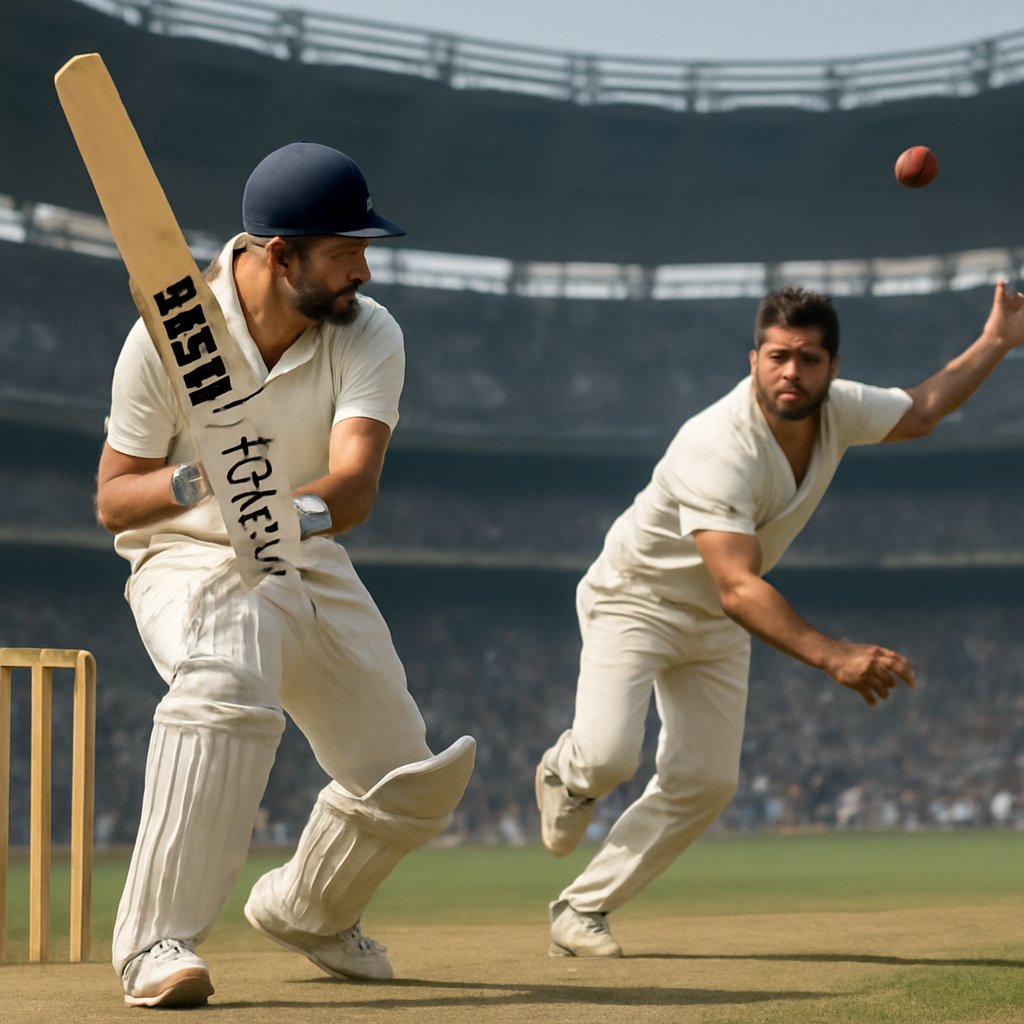
These rivalries in Test cricket truly represent the pinnacle of what five-day battles demand, stretching back across generations and captivating fans from Lahore to Sydney. Having played at the state level in Mumbai, I understand what this requires technically—the patience for seam movement on the third morning, the mental fortitude to bat through a collapsing middle order, and that instinctive reading of conditions that separates the good from the great. In Mumbai, we grew up watching players like this transition seamlessly between the red ball and the IPL’s white-ball spectacle, bringing white-ball aggression into Test whites without losing the soul of the longer game.
The foundations trace back to the Ashes between Australia and England, born from that famous 1882 defeat. Over 350 Tests, England hold a narrow edge, but the numbers tell only part of the story: Bradman’s untouched 99.94 average against England, Botham’s heroics in 1981, and the swing bowling duels that still define the contest. Modern stars like Joe Root carry that Ashes intensity into IPL franchises, adapting their red-ball technique for franchise success. Australia’s dominance in the early 2000s under Ponting added psychological layers, with the 2005 series producing those edge-of-the-seat finishes we still debate in Indian dressing rooms. The Ashes represents more than cricket statistics—it embodies the historical rivalry between two nations that birthed modern cricket itself, with venues like Lord’s and the MCG serving as hallowed grounds where legends are made and careers are defined.
Building on that legacy, West Indies versus England in the 1970s and 80s showcased Caribbean pace at its most fearsome. Marshall and Ambrose dismantled English line-ups repeatedly, with Richards’ explosive hundreds and Greenidge’s consistency on seaming tracks rewriting fast-bowling benchmarks. Today, players like Jason Holder echo that raw pace mixed with tactical nous when facing England, and many of these Caribbean talents later shone in IPL auctions, inspiring a new generation of Indian quicks. The West Indies pace attack during this era revolutionized Test cricket, proving that sustained, aggressive bowling could dominate across all conditions and continents. Their psychological edge came not just from raw speed, but from the relentless quality maintained across an entire series, with bowlers like Curtly Ambrose maintaining figures under 30 average across multiple tours.
India versus Pakistan remains the most emotionally charged of all, decided by razor-thin margins and record crowds. Since their first Test in 1952, the sides have contested 59 matches, with India leading 9-8 amid frequent draws. Iconic moments like Miandad’s last-ball heroics in limited-overs spilling into Test pressure and Tendulkar’s masterful 194 in Multan live on. Kohli’s prolific scoring against Pakistani attacks and Bumrah’s destructive spells add fresh chapters. Even when these players share IPL dressing rooms, the national intensity returns the moment they wear Test whites. The India-Pakistan rivalry extends beyond statistics into cultural and political dimensions that make every Test match feel significant, with entire nations stopping to watch crucial moments. The pressure these players face is unmatched in cricket, as they carry the hopes of over a billion people across the subcontinent.
India versus Australia has grown into a heavyweight contest defined by spin against pace across continents. Australia lead 43-30 in over 100 Tests, yet India’s 2020-21 Border-Gavaskar triumph rewrote narratives. Tendulkar’s 13 centuries against Australia sit alongside Smith’s 7,745 runs in the rivalry. Modern flashes like Pant’s counter-attacking strokeplay and Cummins’ leadership produce IPL-ready talents who master red-ball movement. The 2020-21 series remains one of cricket’s finest chapters, with India winning in Brisbane after 33 years, showcasing the evolution of Indian cricket’s preparation and mental resilience. This rivalry has increasingly become about Australia’s pace quartet—Starc, Cummins, Hazelwood, and Pattinson—versus India’s spin-bowling attack featuring Ashwin, Jadeja, and Siraj, creating fascinating tactical battles that shift based on venue and conditions.
England versus India completes the continental block with 127 Tests nearly split 31-30. Classics like 1986 at Headingley and 2021 at The Oval featured dramatic swings, Dravid’s 22 centuries and Anderson’s 156 wickets standing tall. The pink-ball day-night Tests add new dimensions, while IPL exposure helps Indian batters handle English seam movement better than ever. The evolution of this rivalry has seen India increasingly dominant on home soil, particularly with the introduction of day-night Tests featuring the pink ball. England’s traditional advantage with the red ball in English conditions has been countered by Indian teams’ improved preparation and understanding of overcast conditions. Anderson’s longevity in this fixture—still playing at the highest level in his 40s—demonstrates the enduring appeal and intensity of England-India matches.
South Africa versus Australia brings brutal pace and tactical depth, Australia leading 52-26 across 100 Tests. Kallis’ all-round mastery and Steyn’s 252 wickets remain benchmarks, and South Africa’s revival under Elgar keeps the fire alive, often producing IPL auction stars. This rivalry is characterized by sustained pace bowling from both sides, with Australian quicks like Mitchell Starc and South African speedsters creating conditions where batting becomes an exercise in survival and skill. The contests have produced some of Test cricket’s most dramatic finishes, particularly in recent years when South Africa has mounted comebacks against Australia’s traditionally dominant positions.
New Zealand versus Australia adds underdog charm across 60 Tests, with Williamson’s elegant strokeplay contrasting Starc’s left-arm thunder—New Zealand’s 2020 win in Australia still resonates. Kane Williamson’s excellence against Australia has been a defining feature of recent years, with his technical mastery against pace bowling setting new standards. The Trans-Tasman rivalry maintains historical significance while providing compelling cricket that shifts momentum rapidly, keeping both nations engaged throughout series.
West Indies versus Australia captures the classic 1980s West Indian dominance when Richards, Greenidge, and the pace quartet of Marshall, Walsh, and Ambrose made the Windies nearly invincible across all conditions. These matches featured batting masterclasses mixed with aggressive pace bowling that fundamentally changed how Test cricket could be played. Pakistan versus England rounds out the classics, marked by Botham’s miracles and more recently by the rise of Pakistani fast bowlers like Shaheen Afridi who combine raw pace with accuracy. The contests between these nations have produced thrilling finishes, with Pakistan’s reverse-swing pioneers like Wasim Akram and Waqar Younis changing bowling techniques forever.
Newer chapters like Sri Lanka versus India and Bangladesh versus India feature turning tracks and rising talents such as Muttiah Muralitharan and Shakib Al Hasan. The emergence of cricket in the subcontinent’s newer nations has enriched Test cricket, introducing different bowling philosophies—particularly spin-based attacks—that challenge traditional strategies. These developing rivalries carry the potential to become future classics, as younger nations invest in Test cricket despite limited commercial appeal.
Key numbers underscore the scale: 352 Ashes Tests with Australia on 146 wins to England’s 108; India-Pakistan averaging just 2.1 wins per side across 59 clashes; Kohli holding the India-Australia run record at 2,324 with a 54.6 average; Anderson topping England-India wickets with 111; and night Tests yielding 12 decisive results since 2015. IPL stars like Bumrah often post sub-25 averages in Tests against these traditional rivals, demonstrating how exposure across formats strengthens overall cricket acumen. The statistical depth of these rivalries reveals patterns—certain players excel in particular conditions, certain teams dominate specific venues, and historical trends predict outcomes more accurately than raw talent alone.
Understanding these rivalries requires more than memorizing statistics; it demands appreciation for the evolution of cricket tactics, the role of venue conditions, and the psychological dimensions that develop over decades of competition. The greatest Test rivalries create narratives that extend beyond individual matches into series arcs and generational stories, where successive players add their chapters to established histories. These contests maintain Test cricket’s relevance in an era increasingly dominated by shorter formats, providing the drama and prestige that keep the five-day game vital.
These ten iconic Test rivalries capture the


