
Evergreen IPL Player Stats to Track
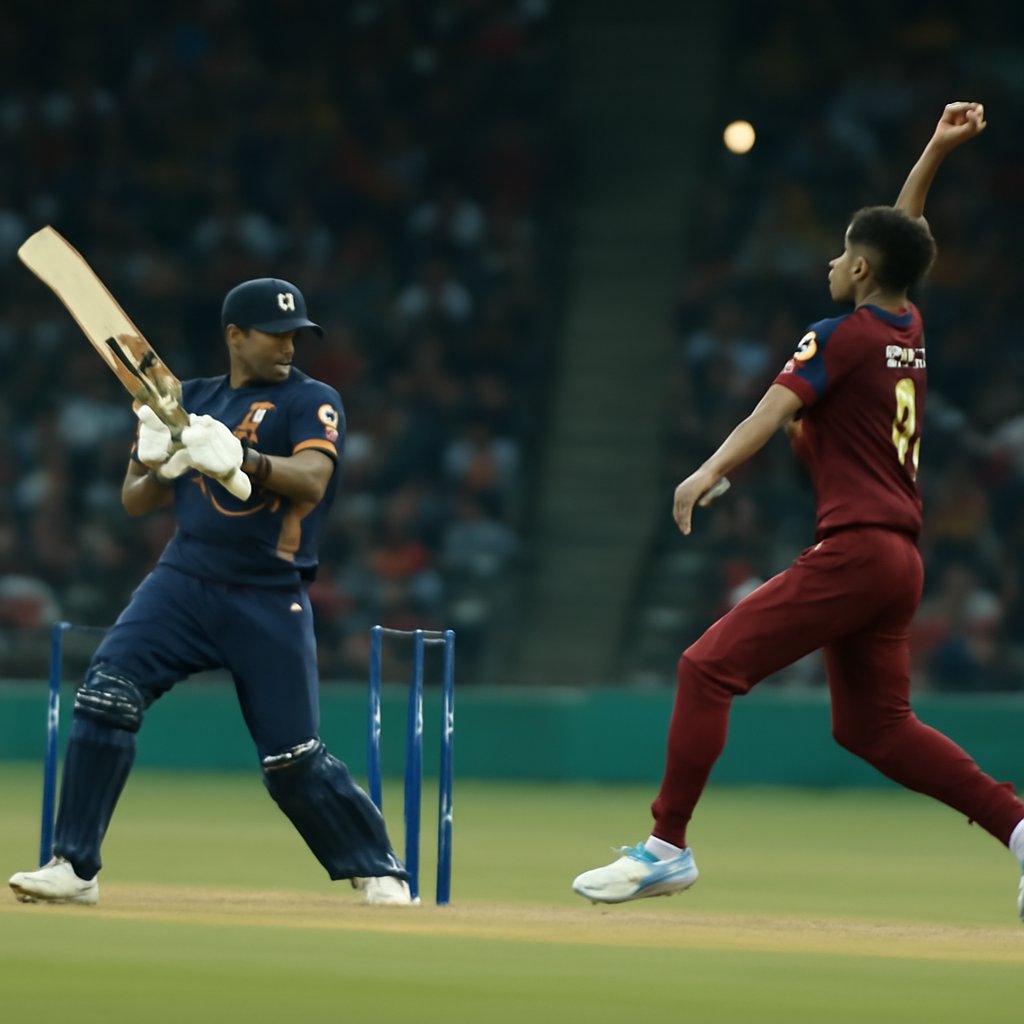
Evergreen metrics in the IPL have always fascinated me because they cut through the noise of one explosive season and reveal who can truly hold their own year after year. Having played at the state level in Mumbai, I understand what this requires technically: the ability to adapt your game to different surfaces and match situations without losing the fundamentals you learned in longer formats. These numbers draw from the same well that has sustained Indian cricket across Test matches, ODIs and now the IPL, where players must blend patience with the explosive intent our domestic tournaments have always demanded.
When we talk batting average, it remains the clearest window into long-term reliability. Virat Kohli has kept his IPL average above 35 across more than a decade, a consistency that mirrors the way he has averaged over 50 in Test cricket. In Mumbai we grew up watching players like this, those who treat every innings as a Test innings even when the field is spread for the powerplay. Strike rate then tells the other half of the story, showing how quickly a batter can accelerate while still respecting the bowler’s plans. The best T20 performers sit comfortably above 140 because they have internalised the boundary-hitting discipline that once served them in ODIs.
Total runs accumulated tell their own tale of endurance. Rohit Sharma has crossed 5000 IPL runs through a calculated aggression that clearly draws from his ODI experience, where he learned to construct innings under scoreboard pressure. Consistency shows up in the number of fifty-plus scores, a stat that separates players who merely flash in the pan from those who deliver when the franchise needs them most. For fantasy teams and scouts, these figures are gold because they bridge the gap between domestic leagues and the international calendar.
On the bowling side, economy rate remains the metric that separates the merely talented from the genuinely dominant. Jasprit Bumrah’s sub-8 economy across IPL seasons reflects the same precision he brings to Test cricket, where varying pace and using the crease have become second nature. Wicket tally paired with strike rate then reveals match-winning intent, the same qualities we see in limited-overs specialists who thrive under the white ball. Dot-ball percentage adds another layer; spinners like Ravichandran Ashwin have mastered this by combining IPL know-how with the guile that turns Test matches on spinning tracks back home.
All-round contributions and fielding often get overlooked until a final is on the line. Players who arrive from the Test circuit usually bring robust averages that stabilise the middle order while still picking up crucial wickets. Fielding numbers—catches per innings and run-outs effected—complete the picture, turning athleticism into points on the board much the way sharp outfielders do in ODIs. Cross-format experience shows its worth most clearly in powerplay economy and death-over strike rates, where international exposure gives a decisive edge in high-stakes chases.
Understanding batting strike rate variations across match phases has become increasingly important for evaluating player consistency. The powerplay strike rate, typically the first six overs, often differs significantly from middle-overs and death-overs strike rates. Players like Suryakumar Yadav have demonstrated the rare ability to maintain strike rates above 145 across all three phases, making them invaluable in any match situation. This compartmentalised excellence cannot be overstated—many younger players excel in one phase but struggle when conditions or field placements change. Tracking these phase-specific metrics reveals which players possess the tactical maturity to adjust their approach without compromising their natural game.
Consistency in scoring patterns matters more than fans often realise. Rather than simply looking at average runs per match, examining the distribution of scores tells a richer story. A player with five centuries and many single-digit scores presents different risk-reward than one with multiple fifties and fewer low scores. The coefficient of variation in scores, though rarely quoted in mainstream cricket media, actually correlates with championship-winning performances. Franchises increasingly employ data analysts who track whether a player’s performance stabilises as the tournament progresses or deteriorates, understanding that mental fatigue affects different players differently over an eight-week tournament.
Bowling strike rate deserves particular attention because it captures something pure about a bowler’s attacking prowess. The strike rate—balls bowled per wicket—reveals how frequently a bowler takes wickets. A strike rate of 15 means a wicket every 15 balls, which at T20 pace translates to extraordinary effectiveness. Yuzvendra Chahal’s strike rates consistently sit between 16-18, explaining why franchises continue backing him despite occasional expensive matches. When strike rate climbs above 20, it signals that a bowler has entered a phase where batters are getting the measure of them, a useful early warning for team management.
The relationship between economy rate and strike rate creates a matrix that reveals bowling excellence. A bowler with a 7.5 economy and 18 strike rate represents an elite combination—restrictive yet wicket-taking. Conversely, a bowler conceding 8.5 runs per over with a 25 strike rate is merely expensive, a distinction many overlook. This matrix approach has transformed how IPL franchises evaluate bowling imports, looking beyond single-metric excellence to find bowlers who simultaneously defend and attack.
Powerplay economy for batsmen versus bowlers presents an interesting asymmetry worth tracking. While batsmen shooting for 140+ strike rates in the first six overs look attractive, powerplay economy rates for bowling have become the true differentiator. Teams that defend consistently under 130 in powerplay bowling often reach finals. Conversely, teams allowing 135+ in powerplay rarely mount championship challenges. This single metric has proven more predictive of tournament outcomes than most headline statistics, yet remains underutilised in casual fan analysis.
The numbers that matter most across fifteen IPL seasons include these constants: Virat Kohli holds the record for most runs with over 6500 at an average above 36 across 200-plus matches. MS Dhoni’s strike rate in death overs consistently exceeds 160, shaped by years of ODI captaincy. Ravindra Jadeja has taken more than 100 IPL wickets while scoring over 2000 runs, a rare balance few manage. Economy rates below 7.5 remain an elite benchmark achieved by only a handful of bowlers. Players with Test backgrounds post roughly 10 percent higher consistency scores in IPL playoffs. Dot-ball percentages above 45 percent correlate strongly with tournament success, while strike rates over 150 in powerplays have repeatedly propelled Orange Cap winners. Top teams also effect 15 percent more run-outs than the league average through superior fielding efficiency.
Fielding metrics deserve expansion beyond simple catch counts. Run-outs effected through direct hits or quick throws represent the highest-value fielding action in T20 cricket, often occurring in high-pressure situations. Tracking these separately from ordinary catches reveals which fielders possess match awareness and game-reading skills. Some fielders specialise in powerplay dot-ball support, positioning themselves to cut off singles that others might concede. This positioning awareness, reflected in comparative analysis of runs conceded from their fielding positions versus league averages, separates good fielders from great ones.
Captaincy metrics have emerged as another overlooked evergreen stat. Win-loss records during powerplay, middle-overs, and death-overs reveal whether a captain influences match-building strategy or merely reacts to events. Captains who consistently win matches their team trailed in after powerplay display superior tactical sense. These larger patterns of decision-making, tracked across seasons, often predict which captains will sustain success versus those enjoying short-term fortune.
These evergreen IPL player stats ultimately help us appreciate how the league has matured while staying rooted in the broader traditions of Indian cricket. By tracking them season after season, we can spot the next generation of players who will carry the same standards from the maidans of Mumbai to the biggest stages in the world.


