
Most Wickets by Spinners in ODI History
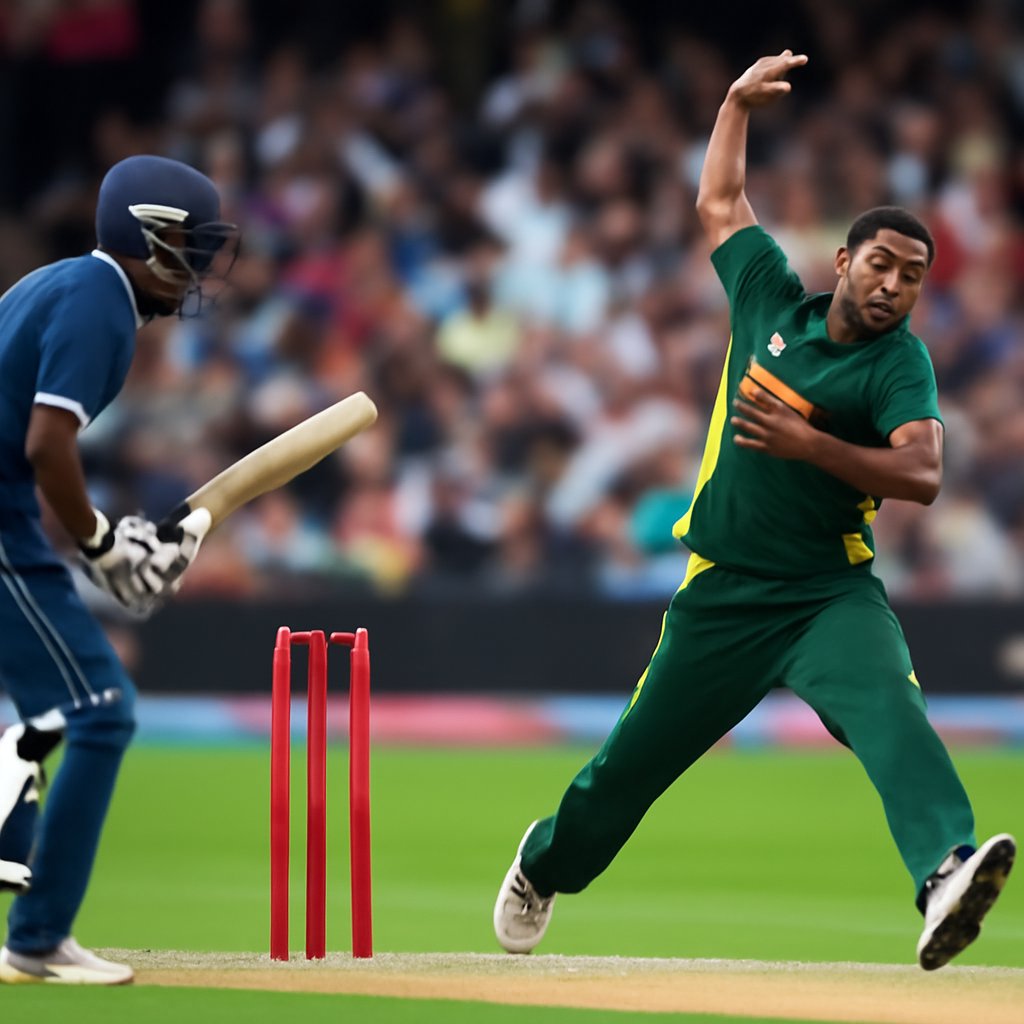
Growing up in Kerala, cricket was everything—from the dusty maidans of Kochi where young spinners honed their craft on turning tracks to the packed stadiums during India’s big ICC tournaments. Most wickets by spinners in ODI history represent one of the most fascinating chapters in One Day International cricket. Spin bowlers have consistently punched above their weight across decades, using flight, turn and variations to dismantle batting line-ups on flat pitches and under lights. From the golden era of finger spinners to the modern wrist-spin revolution, these players have shaped results in the 50-over format while also leaving their mark in Test cricket and high-stakes IPL auctions. Understanding the leading wicket-takers among spinners offers deep insight into how the art of spin has evolved alongside power-hitting trends in contemporary ODI cricket.
The women’s game deserves as much scrutiny as the men’s when we talk about spin’s impact, especially with ICC events like the Women’s ODI World Cup showcasing talents who turn matches on subcontinent-style pitches.
The undisputed leader among spinners for most wickets in ODI history is Sri Lanka’s Muttiah Muralitharan. With 534 scalps in 350 matches at an average of 22.89, Murali redefined what was possible for an off-spinner in limited-overs cricket. His doosra, perfected in the early 2000s, became a nightmare for right-handers and left-handers alike. Following closely is India’s Anil Kumble, who collected 337 wickets in 271 ODIs. Kumble’s accuracy and bounce on slower subcontinent surfaces made him a cornerstone of India’s ODI setup throughout the 1990s and early 2000s. Shane Warne sits third with 293 wickets; his ability to turn the ball both ways and his tactical acumen in the middle overs remain benchmarks for aspiring leg-spinners even today. Other notable names include Daniel Vettori, Harbhajan Singh and Saqlain Mushtaq, each contributing unique skills that helped their teams dominate One Day International tournaments.
Records for most wickets by spinners in ODI history are filled with remarkable longevity and consistency. Muralitharan’s 534 wickets came at a strike rate of 38.6 balls per wicket, showcasing his ability to strike regularly even in the middle overs when batsmen usually accelerate. Kumble’s five-wicket hauls in ODIs stand at four, a testament to his match-winning potential on helpful pitches. Warne’s economy rate of 3.98 remains elite considering the era he bowled in, when boundaries were shorter and power-hitting was emerging. Modern spinners such as Rashid Khan and Kuldeep Yadav have already started climbing the charts, with Rashid crossing 200 ODI wickets at a remarkably young age. These milestones highlight how spinners have adapted to the demands of white-ball cricket while maintaining relevance in Test cricket and IPL T20 leagues around the world.
Spin bowling in ODI cricket has undergone dramatic transformation since the first World Cup in 1975. Early spinners relied on flight and sharp turn, but the introduction of powerplays forced them to develop variations such as the carrom ball, googly and slider. The success of spinners in subcontinent conditions encouraged teams to play two or even three spinners in overseas conditions too. IPL exposure has accelerated this trend, giving young spinners like Yuzvendra Chahal and Ravi Bishnoi valuable experience against international batters. Today’s spinners combine traditional skills with data-driven plans, using slower balls and wider lines to counter the aggressive batting approach that dominates modern One Day International cricket. This evolution ensures that spinners continue to feature prominently in the list of players with the most wickets in ODI history.
Key facts and statistics include Muttiah Muralitharan leading all spinners with 534 ODI wickets, a record unlikely to be broken soon given the shorter career spans of current players. Anil Kumble’s 337 wickets came at an economy rate of 4.30, proving spin could be economical even during the 1990s batting boom. Shane Warne took 293 wickets in just 194 ODIs, the best wickets-per-match ratio among the top five spinners in history. Harbhajan Singh is the only spinner to take a hat-trick in an ODI final, underlining the impact Indian spinners have had on global tournaments. Rashid Khan reached 150 ODI wickets faster than any other spinner, showcasing Afghanistan’s rise in international cricket. Daniel Vettori remains New Zealand’s highest wicket-taker in ODIs with 305 scalps, many taken in crucial middle-over phases. Spinners have accounted for over 35 percent of all wickets taken in ODI World Cups since 1996, highlighting their growing importance. Many top ODI spinners also feature regularly in IPL squads, where their variations are refined against the best T20 batters.
The list of players with the most wickets by spinners in ODI history tells the story of an art form that has grown more sophisticated with every generation. From Muralitharan’s record-breaking haul to the emerging stars who blend IPL experience with One Day International success, spin continues to play a decisive role in 50-over cricket. As pitches evolve and batting techniques adapt, the next generation of spinners will look to these legends for inspiration while carving their own path in Test cricket, ODI tournaments and franchise leagues alike. Their collective contribution ensures that spin bowling remains an essential weapon in any balanced ODI attack.


