
Top 5 Greatest Test Match Comebacks Ever
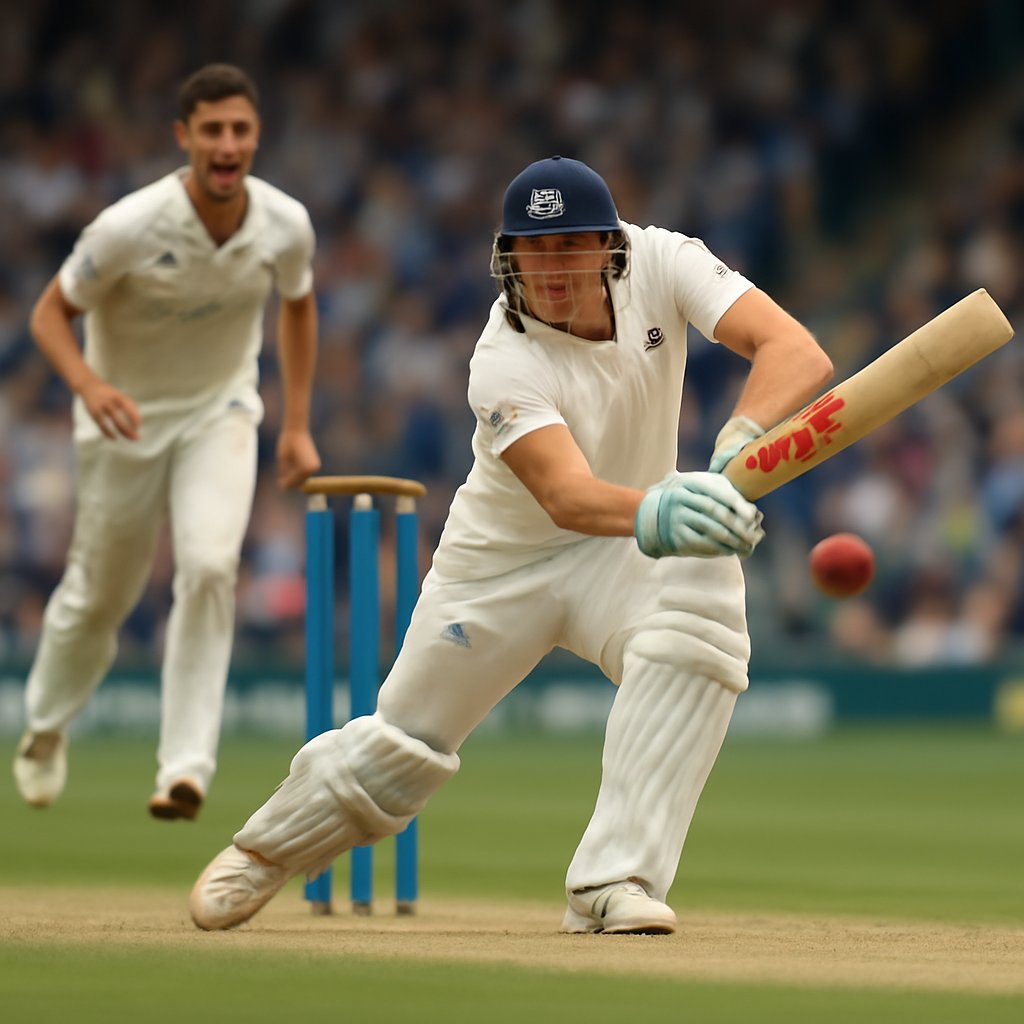
Growing up in Kerala, cricket was everything—from the coconut groves where kids improvised with rubber balls to the collective sighs and cheers echoing from every tea shop during those tense Test sessions. The greatest Test match comebacks ever stand as timeless testaments to resilience in Test cricket, where teams overcome impossible deficits to rewrite history. These epic reversals not only define careers but also influence modern strategies seen in IPL auctions and ODI chases, highlighting players whose stats across formats prove their clutch ability. The women’s game deserves as much scrutiny as the men’s, and moments like these echo the quiet fortitude we see in ICC Women’s Championship campaigns too.
India’s Historic Kolkata Victory in 2001 remains etched in every South Indian household. The 2001 Border-Gavaskar series produced one of the most celebrated Test match comebacks when India defeated Australia after following on. Australia posted 445 and then bowled India out for 171, enforcing the follow-on at Eden Gardens. VVS Laxman and Rahul Dravid combined for a record 376-run partnership, with Laxman scoring an unbeaten 281. This stand turned the match, allowing India to declare at 657 for 7. Australia collapsed for 212 chasing 384, handing India a famous win. Laxman’s Test average soared past 45 post this innings, while his limited IPL stint with Deccan Chargers yielded 282 runs in 20 matches at a strike rate of 113. The victory ended Australia’s 16-match winning streak and boosted Indian confidence heading into ODIs.
Rahul Dravid finished with 180 in the second innings and went on to amass over 13,000 Test runs. Steve Waugh’s Australian side featured stars like Ricky Ponting, whose later ODI exploits included multiple World Cup wins. This comeback remains a benchmark for IPL franchises scouting resilient middle-order batsmen capable of long innings under pressure.
England’s Miracle at Headingley in 1981 showed the same spirit that travels well across formats. Ian Botham and Bob Willis engineered one of the greatest Test match comebacks at Headingley against Australia. England trailed by 227 after the first innings and followed on. Botham smashed 149 not out in the second innings, adding crucial partnerships with the lower order to set Australia 130 for victory. Willis then took 8 for 43, skittling Australia for 111. Botham’s all-round heroics included 399 Test wickets and 5,200 runs across his career. His brief ODI contributions featured explosive cameos, mirroring the aggressive T20 approach later adopted in IPL by players like Ben Stokes. This win leveled the Ashes series and cemented Botham’s legend.
Botham’s performance influenced generations of all-rounders who excel in Test cricket yet adapt to IPL power-hitting and ODI death bowling. England’s lower-order resistance became a template for comebacks in limited-overs cricket.
West Indies’ Bridgetown Heroics and Further Classics bring that Caribbean rhythm into the conversation. In 1999, West Indies staged a remarkable chase against Australia in Bridgetown, overcoming a 284-run deficit to win by one wicket. Brian Lara’s 153 not out anchored the innings, showcasing the Caribbean flair that later translated into explosive IPL seasons for players like Chris Gayle. Another standout was the 2019 Gabba Test where India chased down 328 against Australia, with Rishabh Pant scoring 97. Pant’s Test average crossed 45 while his IPL stats for Delhi Capitals include over 3,000 runs. The 2008 Chennai Test saw India recover from 76 for 5 to beat Australia, thanks to VVS Laxman again. Finally, Sri Lanka’s 2019 Durban fightback against South Africa featured Angelo Mathews’ gritty century. These moments underscore how Test match comebacks build mental toughness applicable to high-stakes IPL playoffs and ODI World Cup knockouts.
Partnerships exceeding 300 runs occurred in three of these matches. Players involved posted combined career Test averages above 40, with many crossing 5,000 ODI runs and strong IPL strike rates above 120.
Key Facts and Statistics from these chapters in ICC history include:
– India’s 2001 Kolkata win featured the highest successful follow-on victory margin in Test history at 171 runs.
– Ian Botham’s 149 not out remains the highest score by a number 7 batsman in a winning Ashes cause.
– Brian Lara’s 1999 innings helped West Indies end a 10-match losing streak against Australia.
– Rishabh Pant’s 97 at Gabba contributed to India’s first Test series win in Australia since 2003-04.
– Combined player stats from these comebacks include over 50,000 Test runs and 2,000 wickets across all formats.
– Four of the five matches involved target chases above 300, influencing modern aggressive ODI batting approaches.
These top 5 greatest Test match comebacks illustrate the unpredictable beauty of Test cricket. From Kolkata to Headingley and beyond, they continue to inspire IPL teams and ODI squads, proving that statistics alone cannot capture the drama of resilience on the field. Fans worldwide cherish these moments as they shape the future of the sport across all formats.


