
Top Wicket Takers in IPL History
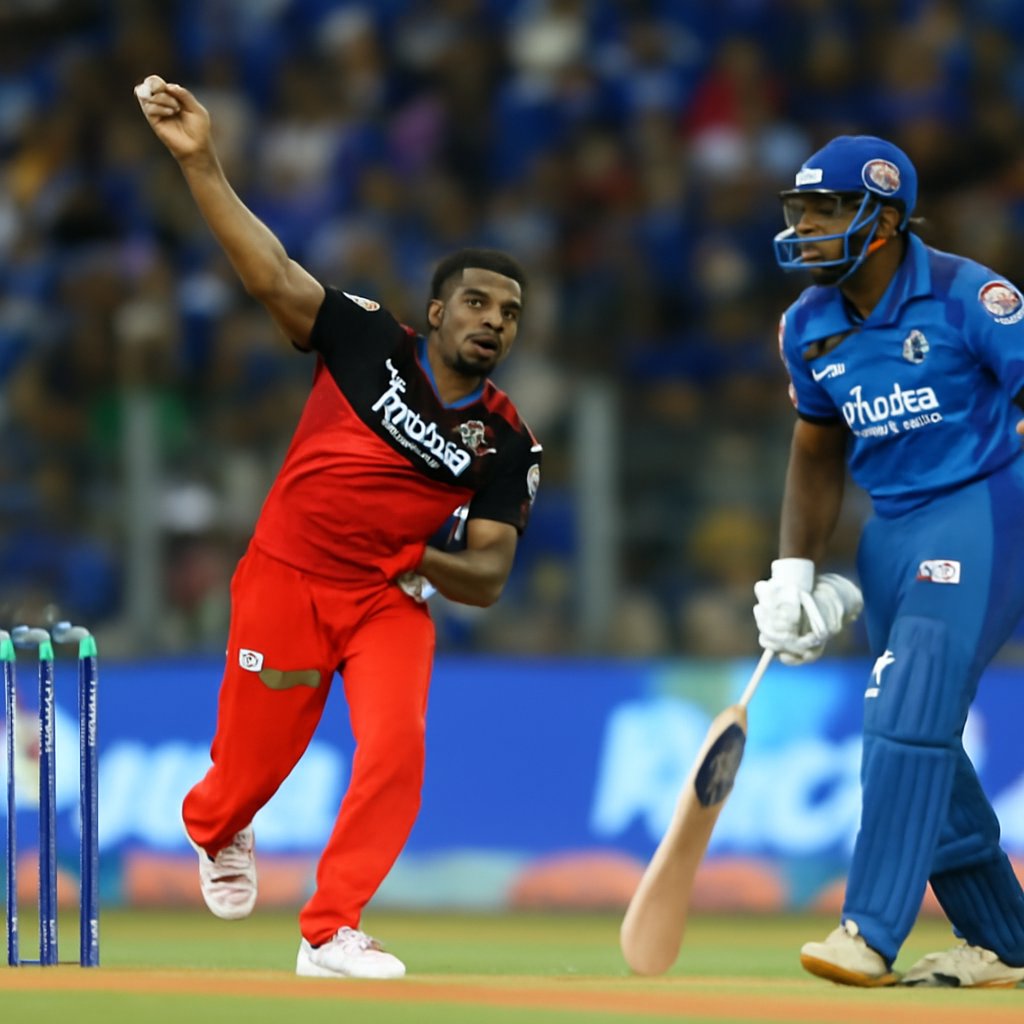
Growing up in Kerala, cricket was everything—from the coconut-frond pitches where we first learned to bowl yorkers to the late-night radio commentaries that made heroes of every spinner and slinger who graced the game. The Indian Premier League has produced some of the most exciting limited-overs cricket in the world, and the race for the top wicket takers in IPL history remains one of the most compelling storylines season after season. Since the league began in 2008, bowlers from across the globe have battled on flat pitches and under lights to claim the most wickets, creating a rich tapestry of records that fans continue to follow closely. Understanding who sits at the summit of IPL bowling charts requires looking at both raw numbers and the context of T20 cricket, where death bowling, variations and economy rates all play crucial roles. The women’s game deserves as much scrutiny as the men’s, especially as the WIPL now mirrors these same tactical battles under the ICC’s growing spotlight on gender parity in South Asian cricket.
Lasith Malinga stands atop the list of top wicket takers in IPL history with 170 scalps. The Sri Lankan slinger revolutionised yorker bowling in the IPL, consistently delivering pinpoint accuracy at the death that left even the most destructive batters helpless. His ability to bowl the slower ball and the famous “sling” action made him a nightmare for right-handers and left-handers alike across multiple franchises including Mumbai Indians. Close behind is Amit Mishra with 166 wickets, the leg-spinner who combined guile, googlies and sharp turn to trouble batters on wearing surfaces. Mishra’s longevity across different teams highlights how spin bowling has evolved in the IPL. Harbhajan Singh sits third with 161 wickets, his off-spin and doosra proving effective in the early years when pitches offered more assistance to finger spinners. These three have set benchmarks that current bowlers like Yuzvendra Chahal and Rashid Khan are chasing.
Ravindra Jadeja and Ravichandran Ashwin represent the modern all-round bowling threat in the IPL. Jadeja’s left-arm spin combined with exceptional fielding has yielded over 150 wickets, while his lower-order batting often provides crucial cameos. Ashwin’s variations and carrom ball have taken him past 150 wickets as well, making him one of the most intelligent bowlers in IPL history. Other notable names include Dwayne Bravo, whose slower balls and yorkers delivered 150-plus wickets, and Piyush Chawla, whose leg-spin has been a consistent threat for over a decade. Each of these players adapted their skills to the demands of T20 cricket, where powerplay restrictions and impact player rules have changed how teams approach bowling plans. The top wicket takers in IPL history often excel not just in taking wickets but also in maintaining economy rates under pressure. In South Indian households like mine in Kerala, we often debate how these same skills would translate to the women’s domestic circuit, where resourcefulness on turning tracks is prized just as highly.
Bowling in the IPL has transformed dramatically since 2008. Early seasons rewarded pace and bounce, but as batters became more aggressive, slower balls, cutters and wide yorkers became essential weapons. The top wicket takers in IPL history learned to bowl at the stumps rather than offering width, forcing batters to manufacture shots. Spin bowling also gained prominence during middle overs when pitches slowed down. Teams now rely on data analytics to set fields for specific match-ups, giving bowlers like Jasprit Bumrah and Kagiso Rabada clear plans that maximise their wicket-taking potential. This evolution shows why certain bowlers have sustained success while others faded after initial promise, much as ICC tournaments have pushed for similar adaptations across both men’s and women’s formats.
Lasith Malinga holds the record for most four-wicket hauls in IPL history with six instances. Amit Mishra is the only bowler to take two five-wicket hauls in a single IPL season. Harbhajan Singh was the first bowler to reach 100 IPL wickets. The record for most wickets in a single IPL season stands at 32, shared by multiple bowlers including Kagiso Rabada. Lasith Malinga also leads the chart for most maidens bowled in IPL history. Spin bowlers have taken more than 55 percent of all IPL wickets since the tournament began. Only three overseas bowlers feature in the all-time top ten wicket-takers list. The highest strike rate among top wicket takers belongs to Lasith Malinga at under 15 balls per wicket. More than 40 bowlers have claimed 100 or more IPL wickets to date. Death-over specialists account for nearly 35 percent of all wickets taken in the last five overs across IPL seasons.
The pursuit of becoming one of the top wicket takers in IPL history continues to drive bowlers to innovate and adapt every season. From Malinga’s sling action to Ashwin’s tactical variations, these players have left an indelible mark on the league. As new talents emerge and rules evolve, the records remain benchmarks of excellence in T20 cricket. Fans can expect the list of leading wicket-takers to keep shifting, but the legends who built these numbers will always be celebrated for shaping the modern IPL.
Sources
- ESPNcricinfo IPL Statistics – Official IPL match statistics and player records
- ICC – Indian Premier League – Official tournament information from International Cricket Council
- Cricbuzz IPL 2024 Coverage – Latest IPL news, scores, and statistics
- Official IPL Website – IPL.T20 – Comprehensive IPL records and player statistics


